‘Penguin on the Beach’ -Ruth Miller (1919-1969)
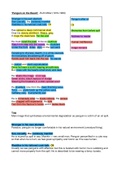
Stranger in his own element, Penguin after oil
Sea-casualty, the castaway manikin
Waddles in his tailored coat-tails. Oil Oil
Has spread a deep commercial stain Memories from before spill
Over his downy shirtfront. Sleazy, grey,
It clogs the sleekness. Far too well Address to reader
He must recall the past, to be so cautious: Human indifference
Watch him step into the waves. He shudders
Under the froth, slides, slips on the wet sand, Image remains
Escaping to dryness, dearth, in a white cascade,
An involuntary shouldering off of gleam.
Hands push him back into the sea. He stands
In pained and silent expostulation.
Once he knew a sunlit, leaping smoothness,
But close with his head’s small knoll, and dark,
He retains the image: oil on sea,
Green slicks, black lassoos of sludge
Sleeving the breakers in a stain-spread scarf.
He shudders now from the clean flinching wave,
Turns and plods back up the yellow sand,
Ineffably wary, triumphantly sad.
He is immensely wise: he trusts nobody. His senses
Are clogged with experience. He eats
Fish from the Saviour’s hands, and it tastes black.
Title
Main image that symbolises environmental degradation as penguin is victim of an oil spill.
Stranger in his own element,
Paradox: penguin no longer comfortable in his natural environment (unnatural thing).
Sea-casualty, the castaway manikin
He is injured by spill in sea. Manikin = very small man. Penguin personified in a cute way
so that when he is hurt, we feel great sympathy and horror as if he was human.
Waddles in his tailored coat-tails. Oil
Usually we see penguins with affection but this is twisted with horror: he is wobbling and
cannot move properly from the spill. He is described to be wearing a fancy tuxedo.
Stranger in his own element, Penguin after oil
Sea-casualty, the castaway manikin
Waddles in his tailored coat-tails. Oil Oil
Has spread a deep commercial stain Memories from before spill
Over his downy shirtfront. Sleazy, grey,
It clogs the sleekness. Far too well Address to reader
He must recall the past, to be so cautious: Human indifference
Watch him step into the waves. He shudders
Under the froth, slides, slips on the wet sand, Image remains
Escaping to dryness, dearth, in a white cascade,
An involuntary shouldering off of gleam.
Hands push him back into the sea. He stands
In pained and silent expostulation.
Once he knew a sunlit, leaping smoothness,
But close with his head’s small knoll, and dark,
He retains the image: oil on sea,
Green slicks, black lassoos of sludge
Sleeving the breakers in a stain-spread scarf.
He shudders now from the clean flinching wave,
Turns and plods back up the yellow sand,
Ineffably wary, triumphantly sad.
He is immensely wise: he trusts nobody. His senses
Are clogged with experience. He eats
Fish from the Saviour’s hands, and it tastes black.
Title
Main image that symbolises environmental degradation as penguin is victim of an oil spill.
Stranger in his own element,
Paradox: penguin no longer comfortable in his natural environment (unnatural thing).
Sea-casualty, the castaway manikin
He is injured by spill in sea. Manikin = very small man. Penguin personified in a cute way
so that when he is hurt, we feel great sympathy and horror as if he was human.
Waddles in his tailored coat-tails. Oil
Usually we see penguins with affection but this is twisted with horror: he is wobbling and
cannot move properly from the spill. He is described to be wearing a fancy tuxedo.