‘No longer mourn for me when I am dead’ -William Shakespeare (1564-1616)
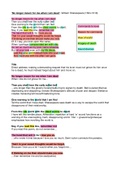
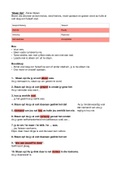
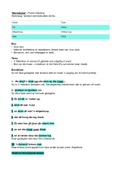
No longer mourn for me when I am dead
Than you shall hear the surly sullen bell
Give warning to the world that I am fled
From this vile world with the vilest worms to dwell; Commands to lover
Nay, if you read this line, remember not
The hand that writ it; for I love you so, Reason for commands
That I in your sweet thoughts would be forgot,
If thinking on me then should make you woe. View of world
O! if, I say, you look upon this verse,
When I perhaps compounded am with clay, Imagery of death
Do not so much as my poor name rehearse,
But let your love even with my life decay, Sound devices
Lest the wise world should look into your moan,
And mock you with me after I am gone.
Title
Direct address: making a demanding request that his lover must not grieve fro him once
he is dead, he must instead forget about him and move on.
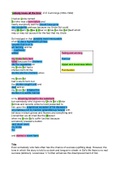
No longer mourn for me when I am dead
When I die do not grieve for me…
Than you shall hear the surly sullen bell
…any longer than the gloomy funeral bells ring to signal my death. Bell is personified as
depressing and despairing: reveals Shakespeare’s attitude of pain and despair. Sibilance
creates menacing/ominous/threatening tone.
Give warning to the world that I am fled
Tell the world that I have died. Shakespeare sees death as a way to escape the world that
disapproves of their relationship.
From this vile world with the vilest worms to dwell;
I have left this terrible place. Alliteration: repetition of hard ‘w’ sound functions as a
warning of the unaccepting, hard, disapproving world. ‘Vile’ = gruesome/grotesque:
emphasises how revolting the world is.
Nay, if you read this line, remember not
If you read this poem, do not remember…
The hand that writ it; for I love you so,
…who wrote it (me) because I love you so much. Semi-colon connects the paradox.
That I in your sweet thoughts would be forgot,
Because I love you a lot I would rather you forget me…
If thinking on me then should make you woe.
…than remember me and be sad/pained.
No longer mourn for me when I am dead
Than you shall hear the surly sullen bell
Give warning to the world that I am fled
From this vile world with the vilest worms to dwell; Commands to lover
Nay, if you read this line, remember not
The hand that writ it; for I love you so, Reason for commands
That I in your sweet thoughts would be forgot,
If thinking on me then should make you woe. View of world
O! if, I say, you look upon this verse,
When I perhaps compounded am with clay, Imagery of death
Do not so much as my poor name rehearse,
But let your love even with my life decay, Sound devices
Lest the wise world should look into your moan,
And mock you with me after I am gone.
Title
Direct address: making a demanding request that his lover must not grieve fro him once
he is dead, he must instead forget about him and move on.
No longer mourn for me when I am dead
When I die do not grieve for me…
Than you shall hear the surly sullen bell
…any longer than the gloomy funeral bells ring to signal my death. Bell is personified as
depressing and despairing: reveals Shakespeare’s attitude of pain and despair. Sibilance
creates menacing/ominous/threatening tone.
Give warning to the world that I am fled
Tell the world that I have died. Shakespeare sees death as a way to escape the world that
disapproves of their relationship.
From this vile world with the vilest worms to dwell;
I have left this terrible place. Alliteration: repetition of hard ‘w’ sound functions as a
warning of the unaccepting, hard, disapproving world. ‘Vile’ = gruesome/grotesque:
emphasises how revolting the world is.
Nay, if you read this line, remember not
If you read this poem, do not remember…
The hand that writ it; for I love you so,
…who wrote it (me) because I love you so much. Semi-colon connects the paradox.
That I in your sweet thoughts would be forgot,
Because I love you a lot I would rather you forget me…
If thinking on me then should make you woe.
…than remember me and be sad/pained.