English culture and history
British politics
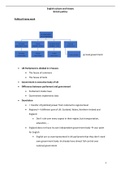
Political Frame work
UK PARLIAMENT
UK GOVERNMENT
SCOTTISH WELSH NORTHERN IRISH ENGLISH
PARLIAMENT & GOVT ASSEMBLY & GOVT ASSEMBLY GOVT LOCAL GOVT
SCOTTISH WELSH N-IRISH
LOCAL GOVT LOCAL GOVT LOCAL GOVT
London Assembly local government
• UK Parliament is divided in 2 houses
• The house of commons
• The house of lords
• Government is executive body of UK
• Difference between parliament and government
• Parliament makes laws
• Government implements laws
• Devolution
• = transfer of (political) power from national to regional level
• Regional = 4 different part of UK: Scotland, Wales, Northern-Ireland and
England
Don’t rule over every aspect in their region, but transportation,
education, …
• England does not have its own independent government body sour point
for English
English are so overrepresented in UK parliament that they don’t need
own government body already have almost full control over
national government
1
, English culture and history
British politics
UK Parliament in Westminster
• The Monarch
• Queen Elizabeth II
technically also head of executive power
Technically still head of Parliament
Head of legislature
Head of judiciary branch (courts)
Head of church
Technically still head of Parliament
traditional titles, no power to execute something
sovereignty of the Queen in Parliament
• 2 houses
• The House of Commons
Laws are passed
• The House of Lords
Oldest House
Currently carry the least power
After House of Commons laws go through House of Lords for double
check
Don’t have the power to make sure laws don’t pass
big difference: Commons = elected; Lords ≠ elected
Palace of Westminster
• Houses of Parliament: riverside
The House of Commons
• Contains 650 elected Members of Parliament
• Every MP represents a constituency
• Area with 66,000 potential voters (reviewed regularly by the Boundary
Commission)
• MPs are elected by a simple majority, also called the first-past-the-post system
2
British politics
Political Frame work
UK PARLIAMENT
UK GOVERNMENT
SCOTTISH WELSH NORTHERN IRISH ENGLISH
PARLIAMENT & GOVT ASSEMBLY & GOVT ASSEMBLY GOVT LOCAL GOVT
SCOTTISH WELSH N-IRISH
LOCAL GOVT LOCAL GOVT LOCAL GOVT
London Assembly local government
• UK Parliament is divided in 2 houses
• The house of commons
• The house of lords
• Government is executive body of UK
• Difference between parliament and government
• Parliament makes laws
• Government implements laws
• Devolution
• = transfer of (political) power from national to regional level
• Regional = 4 different part of UK: Scotland, Wales, Northern-Ireland and
England
Don’t rule over every aspect in their region, but transportation,
education, …
• England does not have its own independent government body sour point
for English
English are so overrepresented in UK parliament that they don’t need
own government body already have almost full control over
national government
1
, English culture and history
British politics
UK Parliament in Westminster
• The Monarch
• Queen Elizabeth II
technically also head of executive power
Technically still head of Parliament
Head of legislature
Head of judiciary branch (courts)
Head of church
Technically still head of Parliament
traditional titles, no power to execute something
sovereignty of the Queen in Parliament
• 2 houses
• The House of Commons
Laws are passed
• The House of Lords
Oldest House
Currently carry the least power
After House of Commons laws go through House of Lords for double
check
Don’t have the power to make sure laws don’t pass
big difference: Commons = elected; Lords ≠ elected
Palace of Westminster
• Houses of Parliament: riverside
The House of Commons
• Contains 650 elected Members of Parliament
• Every MP represents a constituency
• Area with 66,000 potential voters (reviewed regularly by the Boundary
Commission)
• MPs are elected by a simple majority, also called the first-past-the-post system
2