NUR 210 Unit 3 Review
Multiple Choice
Identify the choice that best completes the statement or answers the question.
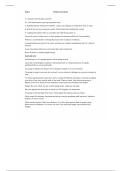
1. A nurse counsels a patient who is to begin taking phenytoin [Dilantin] for epilepsy. Which
statement by the patient indicates understanding of the teaching?
a. ÒI should brush and floss my teeth regularly.Ó
b. ÒOnce therapeutic blood levels are reached, they are easy to maintain.Ó
c. ÒI can consume alcohol in moderation while taking this drug.Ó
d. ÒRashes are a common side effect but are not serious.Ó
2. A patient is to begin taking phenytoin [Dilantin] for seizures. The patient tells the nurse
that she is taking oral contraceptives. What will the nurse tell the patient?
a. She may need to increase her dose of phenytoin while taking oral contraceptives.
b. She should consider a different form of birth control while taking phenytoin.
c. She should remain on oral contraceptives, because phenytoin causes birth defects.
d. She should stop taking oral contraceptives, because they reduce the effectiveness of
phenytoin.
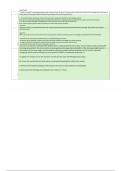
3. A patient who has been taking phenobarbital for epilepsy begins taking valproic acid
[Depakote] as adjunct therapy. The nurse notes that the patient is very drowsy. What will the nurse do?
a. Explain to the patient that tolerance to sedation eventually will develop.
b. Notify the prescriber, and request an order to reduce the dose of phenobarbital.
c. Notify the prescriber of the need to increase the dose of valproic acid.
d. Request an order for liver function tests to monitor for hepatotoxicity.
4. A patient who has had abdominal surgery has been receiving morphine sulfate via a
patient-controlled analgesia (PCA) pump. The nurse assesses the patient and notes that the patientÕs
pupils are dilated and that the patient is drowsy and lethargic. The patientÕs heart rate is 84 beats/min, the
respiratory rate is 10 breaths per minute, and the blood pressure is 90/50 mm Hg. What will the nurse do?
a. Discuss possible opiate dependence with the patientÕs provider.
b. Encourage the patient to turn over and cough and take deep breaths.
c. Note the effectiveness of the analgesia in the patientÕs chart.
d. Prepare to administer naloxone and possibly ventilatory support.
5. A patient who has developed opioid tolerance will experience which effect?
a. Decreased analgesic effect
b. Decreased constipation
c. Increased euphoria
d. Increased respiratory depression
6. A patient who has recurrent migraine headaches is prescribed sumatriptan [Imitrex].
Which aspect of this patientÕs history is of concern when taking this drug?
, a. Asthma
b. Coronary artery disease
c. Diabetes
d. Renal disease
7. A patient has been taking fluoxetine [Prozac] for 2 years and reports feeling cured of
depression. The nurse learns that the patient is sleeping well, participates in usual activities, and feels
upbeat and energetic most of the time. The patientÕs weight has returned to normal. The patient reports
last having symptoms of depression at least 9 months ago. What will the nurse tell this patient?
a. Indefinite drug therapy is necessary to maintain remission.
b. Discuss gradual withdrawal of the medication with the provider.
c. Stop the drug while remaining alert for the return of symptoms.
d. Take a drug holiday to see whether symptoms recur.
8. A patient taking an MAOI is seen in the clinic with a blood pressure of 170/96 mm Hg.
What will the nurse ask this patient?
a. Whether any antihypertensive medications are used
b. Whether the patient drinks grapefruit juice
c. To list all foods eaten that day
d. Whether SSRIs are taken in addition to the MAOI
9. A patient in the emergency department is given intravenous diazepam [Valium] for
seizures. When the seizures stop, the nurse notes that the patient is lethargic and confused and has a
respiratory rate of 10 breaths per minute. The nurse will expect to administer which of the following?
a. Flumazenil [Romazicon]
b. Gastric lavage
c. Respiratory support
d. Toxicology testing
10. An agitated, extremely anxious patient is brought to the emergency department. The
prescriber orders a benzodiazepine. The nurse understands that benzodiazepines are used in this clinical
situation based on which principle?
a. Benzodiazepines have a very short half-life.
b. Physical dependence is not a risk when taking benzodiazepines.
c. Benzodiazepines are known to cure generalized anxiety.
d. Benzodiazepines have a rapid onset of action.
11. A patient who has been taking alprazolam [Xanax] to treat generalized anxiety disorder
(GAD) reports recently stopping the medication after symptoms have improved but reports having
feelings of panic and paranoia. Which initial action by the nurse is correct?
a. Ask the patient if the medication was stopped abruptly.
b. Instruct the patient to resume taking the alprazolam.
c. Notify the provider that the patient is experiencing a relapse.
d. Suggest that the patient discuss taking buspirone [Buspar] with the provider.
Multiple Choice
Identify the choice that best completes the statement or answers the question.
1. A nurse counsels a patient who is to begin taking phenytoin [Dilantin] for epilepsy. Which
statement by the patient indicates understanding of the teaching?
a. ÒI should brush and floss my teeth regularly.Ó
b. ÒOnce therapeutic blood levels are reached, they are easy to maintain.Ó
c. ÒI can consume alcohol in moderation while taking this drug.Ó
d. ÒRashes are a common side effect but are not serious.Ó
2. A patient is to begin taking phenytoin [Dilantin] for seizures. The patient tells the nurse
that she is taking oral contraceptives. What will the nurse tell the patient?
a. She may need to increase her dose of phenytoin while taking oral contraceptives.
b. She should consider a different form of birth control while taking phenytoin.
c. She should remain on oral contraceptives, because phenytoin causes birth defects.
d. She should stop taking oral contraceptives, because they reduce the effectiveness of
phenytoin.
3. A patient who has been taking phenobarbital for epilepsy begins taking valproic acid
[Depakote] as adjunct therapy. The nurse notes that the patient is very drowsy. What will the nurse do?
a. Explain to the patient that tolerance to sedation eventually will develop.
b. Notify the prescriber, and request an order to reduce the dose of phenobarbital.
c. Notify the prescriber of the need to increase the dose of valproic acid.
d. Request an order for liver function tests to monitor for hepatotoxicity.
4. A patient who has had abdominal surgery has been receiving morphine sulfate via a
patient-controlled analgesia (PCA) pump. The nurse assesses the patient and notes that the patientÕs
pupils are dilated and that the patient is drowsy and lethargic. The patientÕs heart rate is 84 beats/min, the
respiratory rate is 10 breaths per minute, and the blood pressure is 90/50 mm Hg. What will the nurse do?
a. Discuss possible opiate dependence with the patientÕs provider.
b. Encourage the patient to turn over and cough and take deep breaths.
c. Note the effectiveness of the analgesia in the patientÕs chart.
d. Prepare to administer naloxone and possibly ventilatory support.
5. A patient who has developed opioid tolerance will experience which effect?
a. Decreased analgesic effect
b. Decreased constipation
c. Increased euphoria
d. Increased respiratory depression
6. A patient who has recurrent migraine headaches is prescribed sumatriptan [Imitrex].
Which aspect of this patientÕs history is of concern when taking this drug?
, a. Asthma
b. Coronary artery disease
c. Diabetes
d. Renal disease
7. A patient has been taking fluoxetine [Prozac] for 2 years and reports feeling cured of
depression. The nurse learns that the patient is sleeping well, participates in usual activities, and feels
upbeat and energetic most of the time. The patientÕs weight has returned to normal. The patient reports
last having symptoms of depression at least 9 months ago. What will the nurse tell this patient?
a. Indefinite drug therapy is necessary to maintain remission.
b. Discuss gradual withdrawal of the medication with the provider.
c. Stop the drug while remaining alert for the return of symptoms.
d. Take a drug holiday to see whether symptoms recur.
8. A patient taking an MAOI is seen in the clinic with a blood pressure of 170/96 mm Hg.
What will the nurse ask this patient?
a. Whether any antihypertensive medications are used
b. Whether the patient drinks grapefruit juice
c. To list all foods eaten that day
d. Whether SSRIs are taken in addition to the MAOI
9. A patient in the emergency department is given intravenous diazepam [Valium] for
seizures. When the seizures stop, the nurse notes that the patient is lethargic and confused and has a
respiratory rate of 10 breaths per minute. The nurse will expect to administer which of the following?
a. Flumazenil [Romazicon]
b. Gastric lavage
c. Respiratory support
d. Toxicology testing
10. An agitated, extremely anxious patient is brought to the emergency department. The
prescriber orders a benzodiazepine. The nurse understands that benzodiazepines are used in this clinical
situation based on which principle?
a. Benzodiazepines have a very short half-life.
b. Physical dependence is not a risk when taking benzodiazepines.
c. Benzodiazepines are known to cure generalized anxiety.
d. Benzodiazepines have a rapid onset of action.
11. A patient who has been taking alprazolam [Xanax] to treat generalized anxiety disorder
(GAD) reports recently stopping the medication after symptoms have improved but reports having
feelings of panic and paranoia. Which initial action by the nurse is correct?
a. Ask the patient if the medication was stopped abruptly.
b. Instruct the patient to resume taking the alprazolam.
c. Notify the provider that the patient is experiencing a relapse.
d. Suggest that the patient discuss taking buspirone [Buspar] with the provider.