NR 503 EPIDEMIOLOGY COMPREHENSIVE
STUDY GUIDE 2026 FULL QUESTIONS
ANSWERS CONFIRMED CHAMBERLAIN
COLLEGE NURSING
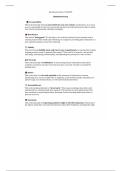
◉ Population Health. Answer: Focuses on risk, data, demographics and
outcomes.
◉ Outcome. Answer: The end result following an intervention
◉ Aggregate. Answer: Defined population
◉ Community. Answer: Composed of multiple aggregates
◉ Data. Answer: Compile data
◉ Prevalence. Answer: Measures the existence of all current cases
within a time frame.
The number or proportion of cases of a particular disease or condition
present in a population at a given time.
,◉ Incidence. Answer: The number or rate of new cases of a particular
condition during a specific time.
Measures the appearance of new cases.
◉ Surveillance. Answer: Collection, analysis, dissemination of data.
◉ High- risk. Answer: Increased chance of poor health outcome.
◉ Morbidity. Answer: Presence of illness in population
◉ Mortality. Answer: Related to the tracking of deaths within an
aggregate
◉ Validity. Answer: the extent to which a test measures or predicts what
it is supposed to.
test is the ability of that test to distinguish correctly who has a disease
◉ Specificity. Answer: the ability of a test to correctly identify those
who do not have the disease
◉ sensitivity. Answer: the ability of a test to correctly identify those who
have a disease
, ◉ primary prevention. Answer: Efforts to prevent an injury or illness
from ever occurring.
Primary prevention identifies modifiable risk
◉ secondary prevention. Answer: -focuses on early identification of
individuals or communities experiencing illness, providing treatment,
and conducting activities that are geared to prevent worsening health
status
-examples: communicable disease screening and case finding; early
detection and treatment of diabetes; exercise programs for older adult
clients who are frail
◉ tertiary prevention. Answer: actions taken to contain damage once a
disease or disability has progressed beyond its early stages
◉ tertiary prevention examples. Answer: - enhance rehabilitation from
disease, injury, or disability
- Provide cardiac rehabilitation, medication, and surgery.
- medical treatment
- physical and occupational therapy, and rehabilitation
- Monitor the use of prescription medications and adherence to treatment
to reduce risk for illness complications
STUDY GUIDE 2026 FULL QUESTIONS
ANSWERS CONFIRMED CHAMBERLAIN
COLLEGE NURSING
◉ Population Health. Answer: Focuses on risk, data, demographics and
outcomes.
◉ Outcome. Answer: The end result following an intervention
◉ Aggregate. Answer: Defined population
◉ Community. Answer: Composed of multiple aggregates
◉ Data. Answer: Compile data
◉ Prevalence. Answer: Measures the existence of all current cases
within a time frame.
The number or proportion of cases of a particular disease or condition
present in a population at a given time.
,◉ Incidence. Answer: The number or rate of new cases of a particular
condition during a specific time.
Measures the appearance of new cases.
◉ Surveillance. Answer: Collection, analysis, dissemination of data.
◉ High- risk. Answer: Increased chance of poor health outcome.
◉ Morbidity. Answer: Presence of illness in population
◉ Mortality. Answer: Related to the tracking of deaths within an
aggregate
◉ Validity. Answer: the extent to which a test measures or predicts what
it is supposed to.
test is the ability of that test to distinguish correctly who has a disease
◉ Specificity. Answer: the ability of a test to correctly identify those
who do not have the disease
◉ sensitivity. Answer: the ability of a test to correctly identify those who
have a disease
, ◉ primary prevention. Answer: Efforts to prevent an injury or illness
from ever occurring.
Primary prevention identifies modifiable risk
◉ secondary prevention. Answer: -focuses on early identification of
individuals or communities experiencing illness, providing treatment,
and conducting activities that are geared to prevent worsening health
status
-examples: communicable disease screening and case finding; early
detection and treatment of diabetes; exercise programs for older adult
clients who are frail
◉ tertiary prevention. Answer: actions taken to contain damage once a
disease or disability has progressed beyond its early stages
◉ tertiary prevention examples. Answer: - enhance rehabilitation from
disease, injury, or disability
- Provide cardiac rehabilitation, medication, and surgery.
- medical treatment
- physical and occupational therapy, and rehabilitation
- Monitor the use of prescription medications and adherence to treatment
to reduce risk for illness complications