

Sepsis Unfolding. Case Study Sepsis: A Case Study (Adapted from Keith RN)
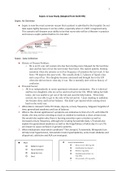
Sepsis: A Case Study (Adapted from Keith RN) Sepsis: An Overview ● Sepsis is now the most common reason that a patient is admitted to the hospital. Do not take sepsis lightly because it can be a killer, especially when it is NOT recognized early. This scenario will sharpen your ability to be that nurse who will be a lifesaver in practice and rescue a septic patient before it is too late! Sepsis: Data Collection: ● History of Present Problem: o JK is an 82 year old woman who has been feeling more fatigued for the last three days and has had a fever the last twenty-four hours. She reports painful, burning sensation when she urinates as well as frequency of urination the last week. It has been 90 degrees this past week. She usually drink 2-3 glasses of liquid a day and a cup of tea. Her daughter became concerned and brought her to the ED when she did not know what day it was. She is mentally alert with no history of confusion. ● Personal/Social: o JK lives independently in senior apartment retirement community. She is widowed and has two daughters who are active and involved in her life. While taking her bath today, she was unable to get out of the tub and used the help button. When help arrived, she was able to get to the side of the tub and sit. Upon standing to ambulate she became dizzy and lost her balance. She didn’t get injured while coming down hard on the toilet seat. 1. What data is relevant? Little PO intake, dysuria, urinary frequency, fatigued, forgetful of time, generalized weakness and loss of balance. 2. What is the clinical significance? symptoms are indicative to that of a UTI, with little PO intake, she may not be urinating as much as needed to maintain a clean urinary tract, this would also explain why there is burning sensation upon urination as well as increased urinary frequency, although she is taking furosemide dialy. UTI would also explain the generalized weakness as well as the forgetfulness of what day it is as UTIs are known to cause confusion in geriatric patients. 3. What medications treat which conditions? The Lisinopril, Furosemide, Metoprolol can all help treat hypertension, Simvastatin treats hyperlipidemia, actos treats diabetes and allupurinol, colchicine and ASA can treat gout.
Document information
- Uploaded on
- March 18, 2021
- Number of pages
- 5
- Written in
- 2020/2021
- Type
- Case
- Professor(s)
- Prof.
- Grade
- A+


