
LATEST:NCLEX_Cardiopharmacology_and_Cardiac_Emergencies_QuickSheet.pdf.pdf
PageNCLEX_Cardiopharmacology_and_Cardiac_Emergencies_QuickSheet.pdf.pdf
1 of 2
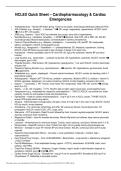
NCLEX Quick Sheet – Cardiopharmacology & Cardiac
Emergencies
• Antihypertensives – Monitor BP before giving. Teach to rise slowly. Avoid abrupt withdrawal (rebound HTN).
• ACE Inhibitors (e.g., lisinopril) – ↓ afterload, ↑ K■. SE: cough, angioedema, hyperkalemia. NCLEX: hold if
K■ >5.0 or BP <100 systolic.
• ARBs (e.g., losartan) – Use if ACEI not tolerated; less cough, same risk of hyperkalemia.
• Beta Blockers (e.g., metoprolol, carvedilol) – ↓ HR/BP/O■ demand. Hold if HR <50 or SBP <90. NCLEX:
avoid abrupt stop (rebound tachycardia). Contraindicated in asthma (nonselective).
• Calcium Channel Blockers (e.g., diltiazem, amlodipine) – ↓ contractility, HR, and BP. SE: bradycardia,
edema, constipation. NCLEX: avoid grapefruit juice.
• Nitrates (e.g., nitroglycerin) – Vasodilation → ↓ preload/afterload. SE: headache, hypotension, flushing.
NCLEX: check BP before giving, keep in dark container, 3 doses 5 min apart max.
• Hydralazine – Arterial vasodilator used in HF and HTN. SE: lupus-like syndrome. Monitor BP and renal
function.
• Loop Diuretics (e.g., furosemide) – ↓ preload via diuresis. SE: hypokalemia, ototoxicity. NCLEX: monitor K■,
daily weights, give in AM.
• Thiazide Diuretics – Mild diuresis. SE: hypokalemia, hyperglycemia, ↑ uric acid. NCLEX: monitor electrolytes
and gout risk.
• Potassium-Sparing Diuretics (e.g., spironolactone) – K■ retention. SE: hyperkalemia, gynecomastia. Avoid
K■ supplements.
• Antiplatelets (e.g., aspirin, clopidogrel) – Prevent arterial thrombosis. NCLEX: monitor for bleeding; hold 5–7
days before surgery.
• Anticoagulants – Heparin (aPTT 60–80 sec, antidote = protamine). Warfarin (INR 2–3, antidote = vitamin K).
NOACs (apixaban, dabigatran): no routine monitoring. NCLEX: monitor bleeding, consistent diet (vit K).
• Digoxin – ↑ contractility, ↓ HR. Toxicity: vision halos, N/V, bradycardia. Hold if HR <60, monitor K■ and dig
level (0.5–2.0).
• Statins – ↓ LDL. SE: myopathy, ↑ LFTs. NCLEX: take at night, report muscle pain, avoid grapefruit juice.
• Vasopressors (e.g., norepinephrine, dopamine, phenylephrine) – ↑ BP/CO. NCLEX: use central line, titrate
carefully, monitor for extravasation (treat with phentolamine).
• Epinephrine – Used for cardiac arrest/anaphylaxis. 1 mg IV q3–5 min in ACLS; causes ↑ HR/BP. NCLEX:
ensure CPR quality before drug admin.
• Atropine – Anticholinergic for bradycardia (<40 bpm). Dose: 0.5 mg IV q3–5 min (max 3 mg). NCLEX: monitor
HR, dry mouth, urinary retention.
• Amiodarone – For ventricular arrhythmias and AFib. SE: pulmonary fibrosis, thyroid dysfunction, QT
prolongation. NCLEX: monitor ECG, LFTs, lungs, eyes.
• Adenosine – SVT termination. Rapid IV push followed by flush; transient asystole expected. NCLEX: patient
warning, continuous ECG monitoring.
• Magnesium Sulfate – Used for torsades de pointes. Monitor Mg levels and reflexes; keep calcium gluconate
on standby.
• Lidocaine – Antiarrhythmic for ventricular ectopy. Toxicity: neuro (seizures, confusion). Monitor level (1.5–5).
• Nitroprusside – Rapid BP control in crisis. Protect from light; risk of cyanide toxicity with prolonged use.
• Milrinone – Inotrope for acute HF. Monitor BP and renal function. NCLEX: continuous ECG and IV pump
required.
• Dopamine Dose-Dependent Effects – Low dose = renal vasodilation; moderate = inotrope; high =
vasoconstriction.
• Heart Failure Drug Therapy – Core: ACEI/ARB/ARNI + Beta-blocker + Loop diuretic ± Aldosterone antagonist
± SGLT2 inhibitor.
• Post-MI Medications – Dual antiplatelet therapy (aspirin + P2Y12), beta-blocker, ACEI/ARB, statin, stool
softener, nitro PRN.
• Chest Pain Protocol (MONA) – Morphine, Oxygen, Nitrates, Aspirin (order of administration depends on
symptoms). NCLEX: give O■ if SpO■ <90%.
• Cardiac Arrest Drugs (ACLS) – Epinephrine 1 mg q3–5 min for asystole/PEA. Amiodarone 300 mg IV for
VF/pulseless VT. Defibrillate if shockable rhythm.
This study source was downloaded by 1827175 from cliffsnotes.com on 01-08-2026 20:25:27 GMT -06:00
NCLEX_Cardiopharmacology_and_Cardiac_Emergencies_QuickSheet.pdf.pdf
NCLEX_Cardiopharmacology_and_Cardiac_Emergencies_QuickSheet.pdf.pdf 2026/2027
https://www.cliffsnotes.com//study-notes/29197650
PageNCLEX_Cardiopharmacology_and_Cardiac_Emergencies_QuickSheet.pdf.pdf
1 of 2
NCLEX Quick Sheet – Cardiopharmacology & Cardiac
Emergencies
• Antihypertensives – Monitor BP before giving. Teach to rise slowly. Avoid abrupt withdrawal (rebound HTN).
• ACE Inhibitors (e.g., lisinopril) – ↓ afterload, ↑ K■. SE: cough, angioedema, hyperkalemia. NCLEX: hold if
K■ >5.0 or BP <100 systolic.
• ARBs (e.g., losartan) – Use if ACEI not tolerated; less cough, same risk of hyperkalemia.
• Beta Blockers (e.g., metoprolol, carvedilol) – ↓ HR/BP/O■ demand. Hold if HR <50 or SBP <90. NCLEX:
avoid abrupt stop (rebound tachycardia). Contraindicated in asthma (nonselective).
• Calcium Channel Blockers (e.g., diltiazem, amlodipine) – ↓ contractility, HR, and BP. SE: bradycardia,
edema, constipation. NCLEX: avoid grapefruit juice.
• Nitrates (e.g., nitroglycerin) – Vasodilation → ↓ preload/afterload. SE: headache, hypotension, flushing.
NCLEX: check BP before giving, keep in dark container, 3 doses 5 min apart max.
• Hydralazine – Arterial vasodilator used in HF and HTN. SE: lupus-like syndrome. Monitor BP and renal
function.
• Loop Diuretics (e.g., furosemide) – ↓ preload via diuresis. SE: hypokalemia, ototoxicity. NCLEX: monitor K■,
daily weights, give in AM.
• Thiazide Diuretics – Mild diuresis. SE: hypokalemia, hyperglycemia, ↑ uric acid. NCLEX: monitor electrolytes
and gout risk.
• Potassium-Sparing Diuretics (e.g., spironolactone) – K■ retention. SE: hyperkalemia, gynecomastia. Avoid
K■ supplements.
• Antiplatelets (e.g., aspirin, clopidogrel) – Prevent arterial thrombosis. NCLEX: monitor for bleeding; hold 5–7
days before surgery.
• Anticoagulants – Heparin (aPTT 60–80 sec, antidote = protamine). Warfarin (INR 2–3, antidote = vitamin K).
NOACs (apixaban, dabigatran): no routine monitoring. NCLEX: monitor bleeding, consistent diet (vit K).
• Digoxin – ↑ contractility, ↓ HR. Toxicity: vision halos, N/V, bradycardia. Hold if HR <60, monitor K■ and dig
level (0.5–2.0).
• Statins – ↓ LDL. SE: myopathy, ↑ LFTs. NCLEX: take at night, report muscle pain, avoid grapefruit juice.
• Vasopressors (e.g., norepinephrine, dopamine, phenylephrine) – ↑ BP/CO. NCLEX: use central line, titrate
carefully, monitor for extravasation (treat with phentolamine).
• Epinephrine – Used for cardiac arrest/anaphylaxis. 1 mg IV q3–5 min in ACLS; causes ↑ HR/BP. NCLEX:
ensure CPR quality before drug admin.
• Atropine – Anticholinergic for bradycardia (<40 bpm). Dose: 0.5 mg IV q3–5 min (max 3 mg). NCLEX: monitor
HR, dry mouth, urinary retention.
• Amiodarone – For ventricular arrhythmias and AFib. SE: pulmonary fibrosis, thyroid dysfunction, QT
prolongation. NCLEX: monitor ECG, LFTs, lungs, eyes.
• Adenosine – SVT termination. Rapid IV push followed by flush; transient asystole expected. NCLEX: patient
warning, continuous ECG monitoring.
• Magnesium Sulfate – Used for torsades de pointes. Monitor Mg levels and reflexes; keep calcium gluconate
on standby.
• Lidocaine – Antiarrhythmic for ventricular ectopy. Toxicity: neuro (seizures, confusion). Monitor level (1.5–5).
• Nitroprusside – Rapid BP control in crisis. Protect from light; risk of cyanide toxicity with prolonged use.
• Milrinone – Inotrope for acute HF. Monitor BP and renal function. NCLEX: continuous ECG and IV pump
required.
• Dopamine Dose-Dependent Effects – Low dose = renal vasodilation; moderate = inotrope; high =
vasoconstriction.
• Heart Failure Drug Therapy – Core: ACEI/ARB/ARNI + Beta-blocker + Loop diuretic ± Aldosterone antagonist
± SGLT2 inhibitor.
• Post-MI Medications – Dual antiplatelet therapy (aspirin + P2Y12), beta-blocker, ACEI/ARB, statin, stool
softener, nitro PRN.
• Chest Pain Protocol (MONA) – Morphine, Oxygen, Nitrates, Aspirin (order of administration depends on
symptoms). NCLEX: give O■ if SpO■ <90%.
• Cardiac Arrest Drugs (ACLS) – Epinephrine 1 mg q3–5 min for asystole/PEA. Amiodarone 300 mg IV for
VF/pulseless VT. Defibrillate if shockable rhythm.
This study source was downloaded by 1827175 from cliffsnotes.com on 01-08-2026 20:25:27 GMT -06:00
NCLEX_Cardiopharmacology_and_Cardiac_Emergencies_QuickSheet.pdf.pdf
NCLEX_Cardiopharmacology_and_Cardiac_Emergencies_QuickSheet.pdf.pdf 2026/2027
https://www.cliffsnotes.com//study-notes/29197650


