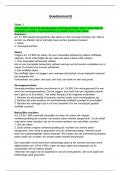
Candidate Number: AD03093 The defendant owed a duty of care. Donoghue v Stevenson
(1932) – ‘neighbour principle’; Lord Atkin:take reasonable care to avoid the act or omissions
which you can reasonably foresee would be likely to injury your neighbour. Foreseeability:
Langley v Dray (1998)[police]; Hayley v LEB (1965)[blind]; Bourhill v Young (1943)
[NF];Proximity: Watson v BBBC (2000)[boxer].Psychiatric: normal fortitude(Alcock test).The
defendant was in breach of that duty. Standard of care: reasonable man test in Blyth v
Birmingham WW (1856).‘Negligence is the omission to do something which a reasonable man
guided upon those considerations which ordinarily regulate the conduct of human affairs, would
do, or doing something which a reasonable prudent person would not do’. Relevant factors: 1.
Likelihood of harm occurring Bolton v Stone (1951); 2. Seriousness of harm likely Paris v
Stepney Borough Council(1951); 3. Social utility of defendant’s action Watt v Hertfordshire
County Council (1954); 4. Cost and practicality of taking precautions Latimer v AEC (1952).
Special attributes of defendants: Children Mulin v Richards (1998); Medical professionals
Bolam v Friern Hospital Management Committee (1957); Disable and illness Mansfield v
Weetabix (1997). Res ipsa loquitur: Scott v London and St Catherine’s Dock (1865);The breach
of duty caused damage and it is not too remote. Causation in fact (but for test): Barnett v
CHMC (1969); Remoteness: The Wagon Mound (No 1) (1961).Egg shell skull Smith v Leech
Brain (1962); Defences: volenti non fit injuria(Morris v Murray (1990)) - full knowledge of
nature of the risk & willingly consented to accept the risk; contributory negligence (Law Reform
(Contributory Negligence) Act 1945: Froom v Butcher (1975)- seatbelt: 25%; 15%; 0%; ex turpi
causa. UCTA 1977: s.2 (1) provides that cannot exclude or restrict liability for death or personal
injury arising from negligence. Nettleship v Weston (1971):learner driver. All drivers owe
passengers a duty of care, established that a driver owes a duty of care to every passenger in
their car (Lord Denning). Contract is a legally enforceable agreement; offer, acceptance,
intention to create legal relations,consideration.Offer: definite promise to be bound on specific
terms. a)Invitation to treat:a party is open to negotiation & an invitation to others to make an
offer. Fisher v Bell (1960) [display in shop window]; PSGB v Boots Cash Chemists(1868)
[display of goods];Partridge v Crittenden (1953)[advertisements]; Exceptions to advertisement
(offer):unilateral contracts Carlill v Carbolic Smoke Ball Co (1893), where the offeror promised
tocommence a task if the other party accepted by conduct; negate ‘multi-acceptance’ problem
Lefkowite v Minneapolis Surplus Store (1957). b)Request for information: merely supply of
information when requested Harvey v Facey (1893); Stevenson v McLean (1879).c)Counter
offer: not an agreement, but offeree suggests paying less money; when counter offer is made,
this supersedes and destroys original offer Hyde v Wrench (1840). Revocation:may revoke at
any point prior to acceptance Payne v Cave (1789). automatically be revoked after a reasonable
lapse of time Ramsgate Victoria Hotel v Montefiore (1866). Acceptance: unconditional assent to
all the terms of the offer. 1.Acceptance must mirror the offer; any attempt to vary is counter
offer. 2.Acceptance must be communicated Entores v Miles Far East Corporation (1955).
Silence cannot acceptance Felthouse v Bindley (1862). However, silence can acceptance if
accompanied by conduct (implied) Brogden v Metropolitan Railway (1877). Postal offers,
revocations rejections arrive to be effective; Postal rule: Acceptance takes place when the letter,
properly addressed and stamped, is placed in the post box Adams v Lindsell (1818);Household
Fire Insurance v Grant (1878)[never arrive];Henthorn v Fraser (1892); excluded the postal rule
Holwell Securities v Hughes (1974)[stipulate acceptance in written form]. The instantaneous
acceptance is binding when could received Entores v Miles Far East Corp (1955);The
(1932) – ‘neighbour principle’; Lord Atkin:take reasonable care to avoid the act or omissions
which you can reasonably foresee would be likely to injury your neighbour. Foreseeability:
Langley v Dray (1998)[police]; Hayley v LEB (1965)[blind]; Bourhill v Young (1943)
[NF];Proximity: Watson v BBBC (2000)[boxer].Psychiatric: normal fortitude(Alcock test).The
defendant was in breach of that duty. Standard of care: reasonable man test in Blyth v
Birmingham WW (1856).‘Negligence is the omission to do something which a reasonable man
guided upon those considerations which ordinarily regulate the conduct of human affairs, would
do, or doing something which a reasonable prudent person would not do’. Relevant factors: 1.
Likelihood of harm occurring Bolton v Stone (1951); 2. Seriousness of harm likely Paris v
Stepney Borough Council(1951); 3. Social utility of defendant’s action Watt v Hertfordshire
County Council (1954); 4. Cost and practicality of taking precautions Latimer v AEC (1952).
Special attributes of defendants: Children Mulin v Richards (1998); Medical professionals
Bolam v Friern Hospital Management Committee (1957); Disable and illness Mansfield v
Weetabix (1997). Res ipsa loquitur: Scott v London and St Catherine’s Dock (1865);The breach
of duty caused damage and it is not too remote. Causation in fact (but for test): Barnett v
CHMC (1969); Remoteness: The Wagon Mound (No 1) (1961).Egg shell skull Smith v Leech
Brain (1962); Defences: volenti non fit injuria(Morris v Murray (1990)) - full knowledge of
nature of the risk & willingly consented to accept the risk; contributory negligence (Law Reform
(Contributory Negligence) Act 1945: Froom v Butcher (1975)- seatbelt: 25%; 15%; 0%; ex turpi
causa. UCTA 1977: s.2 (1) provides that cannot exclude or restrict liability for death or personal
injury arising from negligence. Nettleship v Weston (1971):learner driver. All drivers owe
passengers a duty of care, established that a driver owes a duty of care to every passenger in
their car (Lord Denning). Contract is a legally enforceable agreement; offer, acceptance,
intention to create legal relations,consideration.Offer: definite promise to be bound on specific
terms. a)Invitation to treat:a party is open to negotiation & an invitation to others to make an
offer. Fisher v Bell (1960) [display in shop window]; PSGB v Boots Cash Chemists(1868)
[display of goods];Partridge v Crittenden (1953)[advertisements]; Exceptions to advertisement
(offer):unilateral contracts Carlill v Carbolic Smoke Ball Co (1893), where the offeror promised
tocommence a task if the other party accepted by conduct; negate ‘multi-acceptance’ problem
Lefkowite v Minneapolis Surplus Store (1957). b)Request for information: merely supply of
information when requested Harvey v Facey (1893); Stevenson v McLean (1879).c)Counter
offer: not an agreement, but offeree suggests paying less money; when counter offer is made,
this supersedes and destroys original offer Hyde v Wrench (1840). Revocation:may revoke at
any point prior to acceptance Payne v Cave (1789). automatically be revoked after a reasonable
lapse of time Ramsgate Victoria Hotel v Montefiore (1866). Acceptance: unconditional assent to
all the terms of the offer. 1.Acceptance must mirror the offer; any attempt to vary is counter
offer. 2.Acceptance must be communicated Entores v Miles Far East Corporation (1955).
Silence cannot acceptance Felthouse v Bindley (1862). However, silence can acceptance if
accompanied by conduct (implied) Brogden v Metropolitan Railway (1877). Postal offers,
revocations rejections arrive to be effective; Postal rule: Acceptance takes place when the letter,
properly addressed and stamped, is placed in the post box Adams v Lindsell (1818);Household
Fire Insurance v Grant (1878)[never arrive];Henthorn v Fraser (1892); excluded the postal rule
Holwell Securities v Hughes (1974)[stipulate acceptance in written form]. The instantaneous
acceptance is binding when could received Entores v Miles Far East Corp (1955);The