Solution Manual
Cost Accounting
By William K. Carter
14th Edition
, Chapter 1
Discussion Questions
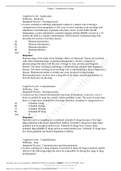
Q1-1. Planning is the development of a consistent q1-5. The controller does not control, but aids the
set of actions, resources, and measurements control task of the managerial levels by issu-
by which the achievement of objectives can ing reports pointing out deviations from the
be assessed. Planning takes into account the predetermined course of action.
interactions between the organization and its Q1-6. The cost department keeps detailed records
environment in whatever is to be done. of materials, labor, factory overhead, and
Control is the process by which managers marketing and administrative expenses; ana-
assure that resources are obtained and used lyzes these costs; issues control reports; pre-
in an efficient and effective manner to carry pares cost studies for planning and decision
out the plan and accomplish the organiza- making; and coordinates cost and budget
tion’s objectives. Control implies that perform- data with other departments.
ance measurements are reviewed to Q1-7. For product research and design, the manu-
determine if corrective action is required. facturing departments need estimates of
Planning and control are interrelated. materials, labor, and machine process costs;
Control is carried out within the established for measuring and efficiency of scheduling,
planning framework and serves to evaluate producing, and inspecting products, the
conformance to the plan so that organiza- departments need to know the costs incurred.
tional objectives are achieved. The personnel department supplies employ-
Q1-2. Short-range plans usually deal with a period ees’ wage rates. The treasury department
of a quarter or a year, while long-range plans needs accounting, budgeting, and related
usually cover three to five years. Short-range reports in scheduling cash requirements. The
plans are detailed enough to permit prepara- marketing department needs cost information
tion of a complete set of financial statements in setting prices. The public relations depart-
as of a future date, while long-range plans ment needs information on prices, wages,
culminate in a very summarized set of profits, and dividends in order to inform the
expected results or a few quantified objec- public. The legal department needs cost infor-
tives, such as financial ratios. mation for keeping many affairs of the com-
Q1-3. Long-range plans contain quantitative results, pany in conformity with the law.
while strategic plans are the least quantifiable Q1-8. Modern techniques in communications give
of all plans. Long-range plans usually extend the controller and staff the means to transmit
three to five years into the future, while strate- information in the form of results, analyses,
gic plans may contemplate shorter or much and forecasts in a way never before possible.
longer periods. Long-range plans covering a Profit opportunities or control actions have
three-to-five-year period would be prepared been delayed or missed entirely because
every three to five years, or might be system- timely information that might have improved
atically updated each year to maintain a com- the cost and profit position of the company
plete plan, while strategic plans are was poorly communicated.
formulated at irregular intervals by an essen- Q1-9. The budget is an essential cost planning tool
tially unsystematic process. because it (a) supplies information and serves
Q1-4. Accountability is identical with responsibility as a standard of performance for cost control
accounting. Accountability deals with the dis- by the supervisors responsible for cost; (b) pro-
charge of an individual’s responsibility to vides an easy method for anticipating profits at
achieve assigned objectives within the costs an anticipated sales level; (c) helps in forecast-
and expenses allowed for the performance ing sales, costs, expenses, and profits for a
and agreed to by the individual. period of one year or more in advance.
1-1
,
, 1-2 Chapter 1
Q1-10. These standards will not necessarily be able tices to be applied; (c) specify criteria to be
to prevent management fraud, but they do employed in selecting from alternative princi-
give internal accountants some guidance on ples and practices in estimating, accumulat-
how to proceed if they encounter a question- ing, and reporting contract costs. The
able practice. standards are backed by the full force and
Q1-11. Casb standards: (a) enunciate a principle or effect of the law.
principles to be followed; (b) establish prac-
Cost Accounting
By William K. Carter
14th Edition
, Chapter 1
Discussion Questions
Q1-1. Planning is the development of a consistent q1-5. The controller does not control, but aids the
set of actions, resources, and measurements control task of the managerial levels by issu-
by which the achievement of objectives can ing reports pointing out deviations from the
be assessed. Planning takes into account the predetermined course of action.
interactions between the organization and its Q1-6. The cost department keeps detailed records
environment in whatever is to be done. of materials, labor, factory overhead, and
Control is the process by which managers marketing and administrative expenses; ana-
assure that resources are obtained and used lyzes these costs; issues control reports; pre-
in an efficient and effective manner to carry pares cost studies for planning and decision
out the plan and accomplish the organiza- making; and coordinates cost and budget
tion’s objectives. Control implies that perform- data with other departments.
ance measurements are reviewed to Q1-7. For product research and design, the manu-
determine if corrective action is required. facturing departments need estimates of
Planning and control are interrelated. materials, labor, and machine process costs;
Control is carried out within the established for measuring and efficiency of scheduling,
planning framework and serves to evaluate producing, and inspecting products, the
conformance to the plan so that organiza- departments need to know the costs incurred.
tional objectives are achieved. The personnel department supplies employ-
Q1-2. Short-range plans usually deal with a period ees’ wage rates. The treasury department
of a quarter or a year, while long-range plans needs accounting, budgeting, and related
usually cover three to five years. Short-range reports in scheduling cash requirements. The
plans are detailed enough to permit prepara- marketing department needs cost information
tion of a complete set of financial statements in setting prices. The public relations depart-
as of a future date, while long-range plans ment needs information on prices, wages,
culminate in a very summarized set of profits, and dividends in order to inform the
expected results or a few quantified objec- public. The legal department needs cost infor-
tives, such as financial ratios. mation for keeping many affairs of the com-
Q1-3. Long-range plans contain quantitative results, pany in conformity with the law.
while strategic plans are the least quantifiable Q1-8. Modern techniques in communications give
of all plans. Long-range plans usually extend the controller and staff the means to transmit
three to five years into the future, while strate- information in the form of results, analyses,
gic plans may contemplate shorter or much and forecasts in a way never before possible.
longer periods. Long-range plans covering a Profit opportunities or control actions have
three-to-five-year period would be prepared been delayed or missed entirely because
every three to five years, or might be system- timely information that might have improved
atically updated each year to maintain a com- the cost and profit position of the company
plete plan, while strategic plans are was poorly communicated.
formulated at irregular intervals by an essen- Q1-9. The budget is an essential cost planning tool
tially unsystematic process. because it (a) supplies information and serves
Q1-4. Accountability is identical with responsibility as a standard of performance for cost control
accounting. Accountability deals with the dis- by the supervisors responsible for cost; (b) pro-
charge of an individual’s responsibility to vides an easy method for anticipating profits at
achieve assigned objectives within the costs an anticipated sales level; (c) helps in forecast-
and expenses allowed for the performance ing sales, costs, expenses, and profits for a
and agreed to by the individual. period of one year or more in advance.
1-1
,
, 1-2 Chapter 1
Q1-10. These standards will not necessarily be able tices to be applied; (c) specify criteria to be
to prevent management fraud, but they do employed in selecting from alternative princi-
give internal accountants some guidance on ples and practices in estimating, accumulat-
how to proceed if they encounter a question- ing, and reporting contract costs. The
able practice. standards are backed by the full force and
Q1-11. Casb standards: (a) enunciate a principle or effect of the law.
principles to be followed; (b) establish prac-