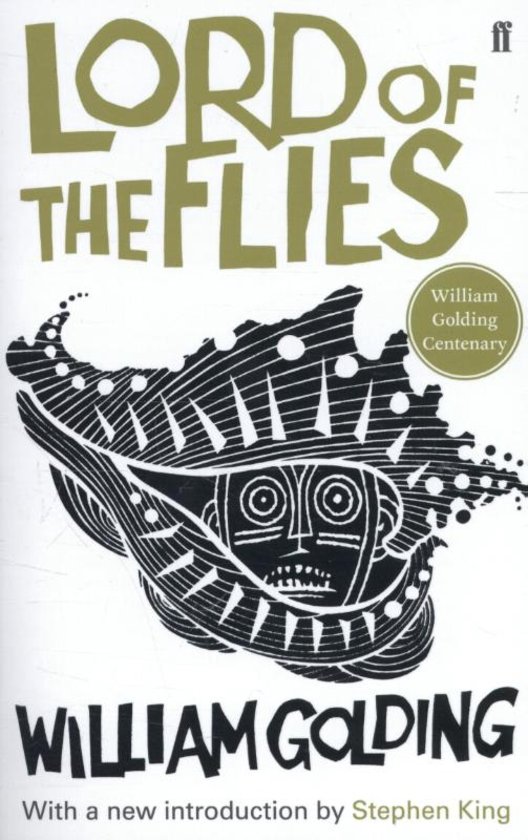
Chapter One – The Sound of the Shell
Big Picture / Central Ideas
● Golding immediately introduces the idea that humans can harm nature, even before
violence between people begins.
● The boys begin forming a microcosm, a small-scale version of society that mirrors the
values, power structures, and behaviors of the adult world.
● At this stage, civilization still exists, but it is fragile and dependent on rules, symbols,
and leadership.
Key Takeaways (Thematic)
● In the opening paragraph, the damaged jungle shows that human presence disrupts
nature.
● Ralph pulling up his socks symbolizes innocence, order, and remaining civilization.
● Ralph views the island as a dream-like freedom from adults and rules, reflecting childish
optimism.
● The boys’ inability to remember the plane crash suggests trauma and fight-or-flight,
showing how quickly order can break down.
● Ralph and Piggy act as polar opposites, representing instinct vs. logic.
● Early power comes from destruction, not creation, foreshadowing later events.
Characters
Ralph:
● Described as the “fair boy,” linking him to innocence and purity.
● Naive and optimistic, he believes his father (a Navy officer) will rescue them.
● Relies heavily on adult authority, showing he is not truly independent yet.
● Symbolism: Ralph represents order, democracy, and civilization, the attempt to
maintain rules and moral behavior.
Piggy:
● Logical, rational, and grounded in reality.
● Correctly theorizes about the plane crash, unlike Ralph’s wishful thinking.
● Constant references to his aunt suggest a desire for structure, rules, and care.
Big Picture / Central Ideas
● Golding immediately introduces the idea that humans can harm nature, even before
violence between people begins.
● The boys begin forming a microcosm, a small-scale version of society that mirrors the
values, power structures, and behaviors of the adult world.
● At this stage, civilization still exists, but it is fragile and dependent on rules, symbols,
and leadership.
Key Takeaways (Thematic)
● In the opening paragraph, the damaged jungle shows that human presence disrupts
nature.
● Ralph pulling up his socks symbolizes innocence, order, and remaining civilization.
● Ralph views the island as a dream-like freedom from adults and rules, reflecting childish
optimism.
● The boys’ inability to remember the plane crash suggests trauma and fight-or-flight,
showing how quickly order can break down.
● Ralph and Piggy act as polar opposites, representing instinct vs. logic.
● Early power comes from destruction, not creation, foreshadowing later events.
Characters
Ralph:
● Described as the “fair boy,” linking him to innocence and purity.
● Naive and optimistic, he believes his father (a Navy officer) will rescue them.
● Relies heavily on adult authority, showing he is not truly independent yet.
● Symbolism: Ralph represents order, democracy, and civilization, the attempt to
maintain rules and moral behavior.
Piggy:
● Logical, rational, and grounded in reality.
● Correctly theorizes about the plane crash, unlike Ralph’s wishful thinking.
● Constant references to his aunt suggest a desire for structure, rules, and care.