‘With reference to a multi-hazardous environment that you have studied, assess the view
that the underlying cause(s) leading to the hazards is human activity rather than physical
factors [20 marks]
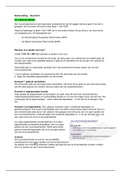
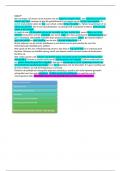
I agree with the statement to a moderate extent, and this can be evidenced by the case
study of Haiti. A multi-hazardous environment is a location susceptible to a multitude of
hazards and natural disasters such as hurricanes, volcanoes and earthquakes, such as
Haiti, located between the Caribbean Sea and the North Atlantic Ocean. It is impacted by
earthquakes and hurricanes, such as the 2010 January 12th Earthquake and Hurricane
Matthew in from the 28th of September to the 9th of October 2016. Human activity can have
a significant impact on hazards, such as deforestation, which can increase the frequency of
mudslides and landslides. When trees are removed the roots binding the soil together are
subsequently removed. This removes the ability of the soil to bind, resulting in the top soil
being eroded away, leading to less stable soil and an increase in secondary impacts of
hazards, such as landslides and mudslides, which often occur after an earthquake. Indeed,
the political instability of Haiti and the socioeconomic and demographic factors have a large
impact on hazards, however, they are not the underlying causes, and they only intensify the
impacts of the hazards. Haiti has a colonial past and had to pay reparations to France for
their independence of 150 million Franks, which took them 122 years to pay off, setting them
back developmentally, meaning that they are unable to develop their own institutions and
hazard management cycle, reducing the populations' resilience and ability to mitigate
hazards. Furthermore, 42% of the population is under 14, and Haiti is the poorest country in
the Western Hemisphere, highlighting the inability of the country to bounce back and recover
after hazards, intensifying the impacts, but not causing them.
In reality, the actual underlying causes of hazards are physical causes, and while human
activity can enhance the issues and impacts of hazards they do not cause many of the
hazards occurring in Haiti, like earthquakes and hurricanes. Haiti lies on a series of fault
lines, with the Enriquillo-Plantain Garden fault system massively impacting seismic activity
like earthquakes. This means that Haiti may be prone to more earthquakes than other
countries, illustrating that physical activity is the underlying cause of hazards. Additionally,
Haiti is located within a hurricane belt, in the Path of Atlantic Hurricanes. This means that
Haiti is vulnerable to hydrometeorological disasters, with the cause of these perhaps being
intensified by human activity such as fossil fuel use heating the atmosphere and oceans, so
more areas are over 27 degrees, resulting in the formation of more tropical storms. However,
currently, the formation of hurricanes is strictly caused by physical activity. The tropical
storms that reach Haiti often pass over small islands, rather than larger ones, resulting in
more powerful hurricanes hitting the country, proving that locational and physical factors are
the underlying causes of hazards.
Overall, I disagree with the statement, as physical activity is the underlying cause of
hazards, and while human factors can impact and intensify the hazards and the impacts,
physical factors are the primary cause, as fault lines and hurricane belts cause the formation
and occurrence of hazards, rather than human activity. On a spatial scale, HICs have more
resources and a higher ability to cope with hazards, as they will have more advanced hazard
management cycles, enhancing their ability to recover and respond to hazards, suggesting
that the underlying cause(s) leading to the hazards is human activity rather than physical
factors [20 marks]
I agree with the statement to a moderate extent, and this can be evidenced by the case
study of Haiti. A multi-hazardous environment is a location susceptible to a multitude of
hazards and natural disasters such as hurricanes, volcanoes and earthquakes, such as
Haiti, located between the Caribbean Sea and the North Atlantic Ocean. It is impacted by
earthquakes and hurricanes, such as the 2010 January 12th Earthquake and Hurricane
Matthew in from the 28th of September to the 9th of October 2016. Human activity can have
a significant impact on hazards, such as deforestation, which can increase the frequency of
mudslides and landslides. When trees are removed the roots binding the soil together are
subsequently removed. This removes the ability of the soil to bind, resulting in the top soil
being eroded away, leading to less stable soil and an increase in secondary impacts of
hazards, such as landslides and mudslides, which often occur after an earthquake. Indeed,
the political instability of Haiti and the socioeconomic and demographic factors have a large
impact on hazards, however, they are not the underlying causes, and they only intensify the
impacts of the hazards. Haiti has a colonial past and had to pay reparations to France for
their independence of 150 million Franks, which took them 122 years to pay off, setting them
back developmentally, meaning that they are unable to develop their own institutions and
hazard management cycle, reducing the populations' resilience and ability to mitigate
hazards. Furthermore, 42% of the population is under 14, and Haiti is the poorest country in
the Western Hemisphere, highlighting the inability of the country to bounce back and recover
after hazards, intensifying the impacts, but not causing them.
In reality, the actual underlying causes of hazards are physical causes, and while human
activity can enhance the issues and impacts of hazards they do not cause many of the
hazards occurring in Haiti, like earthquakes and hurricanes. Haiti lies on a series of fault
lines, with the Enriquillo-Plantain Garden fault system massively impacting seismic activity
like earthquakes. This means that Haiti may be prone to more earthquakes than other
countries, illustrating that physical activity is the underlying cause of hazards. Additionally,
Haiti is located within a hurricane belt, in the Path of Atlantic Hurricanes. This means that
Haiti is vulnerable to hydrometeorological disasters, with the cause of these perhaps being
intensified by human activity such as fossil fuel use heating the atmosphere and oceans, so
more areas are over 27 degrees, resulting in the formation of more tropical storms. However,
currently, the formation of hurricanes is strictly caused by physical activity. The tropical
storms that reach Haiti often pass over small islands, rather than larger ones, resulting in
more powerful hurricanes hitting the country, proving that locational and physical factors are
the underlying causes of hazards.
Overall, I disagree with the statement, as physical activity is the underlying cause of
hazards, and while human factors can impact and intensify the hazards and the impacts,
physical factors are the primary cause, as fault lines and hurricane belts cause the formation
and occurrence of hazards, rather than human activity. On a spatial scale, HICs have more
resources and a higher ability to cope with hazards, as they will have more advanced hazard
management cycles, enhancing their ability to recover and respond to hazards, suggesting