subject title check
27 organic nitrogen compounds date
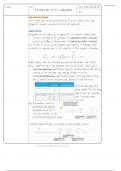
production of primary and secondary amines
halogenoalkanes w/ excess ammonia in ethanol heated under pressure
nucleophilic substitution in which the nitrogen lone pair in ammonia
acts as a nucleophile and replaces the halogen
halogenoalkanes with primary amines in ethanol and heated in a
sealed tube under pressure
nucleophilic substitution in which the nitrogen in the primary amine
acts as a nucleophile and replaces the halogen
reduction of amides with LiAlH4 in dry ether
reduction of nitriles with LiAlH4 in dry ether or H2/Ni catalyst
Copyright 2021. 해움. All rights reserved.
, subject title check
date
production of amides (-CONR2)
-chlorine atom in acyl chlorides is electronegative and draws electron
density from the carbonyl carbon, making it electron-deficient
-the nitrogen atom in ammonia and amines has a lone pair of electrons
which can act as a nucleophile and attack the carbonyl carbon
-as a result, C-Cl bond is broken and an amide is formed
-ammonia will produce a non-substituted amide
-primary and secondary amines give a substituted amide
-amides can also be formed from the condensation reaction between
carboxylic acids and ammonia/amines, but this reaction is slower as
carboxylic acids are less reactive than acyl chlorides and the
reaction doesn't go to completion
basicity of aqueous solutions of amines
-nitrogen in ammonia and amine can accept a proton, therefore acting
as bases in aqueous solutions by donating their lone pair of electrons
to a proton and forming a dative bond
-strength of amines depends on the availability of the lone pair of
electron on the nitrogen to form a dative covalent bond
lone pair more readily available stronger base
-
-positive inductive effect donate electron density to nitrogen
> >
increased basicity
-delocalisation (like benzene ring) causes the lone pair to be
delocalised into the ring, making the lone pair less available to form
a dative covalent bond hence decreases the amine's basicity
Copyright 2021. 해움. All rights reserved.
27 organic nitrogen compounds date
production of primary and secondary amines
halogenoalkanes w/ excess ammonia in ethanol heated under pressure
nucleophilic substitution in which the nitrogen lone pair in ammonia
acts as a nucleophile and replaces the halogen
halogenoalkanes with primary amines in ethanol and heated in a
sealed tube under pressure
nucleophilic substitution in which the nitrogen in the primary amine
acts as a nucleophile and replaces the halogen
reduction of amides with LiAlH4 in dry ether
reduction of nitriles with LiAlH4 in dry ether or H2/Ni catalyst
Copyright 2021. 해움. All rights reserved.
, subject title check
date
production of amides (-CONR2)
-chlorine atom in acyl chlorides is electronegative and draws electron
density from the carbonyl carbon, making it electron-deficient
-the nitrogen atom in ammonia and amines has a lone pair of electrons
which can act as a nucleophile and attack the carbonyl carbon
-as a result, C-Cl bond is broken and an amide is formed
-ammonia will produce a non-substituted amide
-primary and secondary amines give a substituted amide
-amides can also be formed from the condensation reaction between
carboxylic acids and ammonia/amines, but this reaction is slower as
carboxylic acids are less reactive than acyl chlorides and the
reaction doesn't go to completion
basicity of aqueous solutions of amines
-nitrogen in ammonia and amine can accept a proton, therefore acting
as bases in aqueous solutions by donating their lone pair of electrons
to a proton and forming a dative bond
-strength of amines depends on the availability of the lone pair of
electron on the nitrogen to form a dative covalent bond
lone pair more readily available stronger base
-
-positive inductive effect donate electron density to nitrogen
> >
increased basicity
-delocalisation (like benzene ring) causes the lone pair to be
delocalised into the ring, making the lone pair less available to form
a dative covalent bond hence decreases the amine's basicity
Copyright 2021. 해움. All rights reserved.