3.3.1 Segmentation, targeting
and positioning
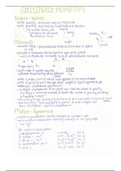
Segmentation, targeting and positioning are 3 steps in a process:
1. Segment the market into groups of customers with similar characteristics
2. Decide on what segment of the market to target
3. Position the product on the market by identifying how it will be viewed in relation to its
competitors
Segmentation
Market segmentation: occurs when the market is split into subgroups of consumers with similar
characteristics. This helps to identify different types of consumer and different wants and needs.
Segmentation methods include:
- Demographic – age, race, sex
- Geographic – e.g. south west, postcode
- Income – high and low income
- Behavioural – Fashion/trends
4 ways of segmenting a market are:
Demographic Dividing a market based on demographic variables e.g. age, gender, family
lifestyle, religion, nationality, ethnicity etc..
Income Dividing markets into segments based on income segments, often on the basis of
socio-economic grouping (below)
Behavioural Dividing a market into segments based on different ways customers use or
respond to a product and the benefits they seek
- Frequency of purchase e.g. needs, emotional, rewards
- Frequency of purchase e.g heavy user or light user
- Time of purchase e.g. seasonal, weekly, late at night
- Brand loyalty
- Method of purchase e.g online
Geographical Dividing a market into different geographical units, such as nations, regions,
cities, neighbourhoods or other territories
Socio-economic grouping
A – Higher Managerial such as chief executive and directors
B – Intermediate managerial such as solicitors, accountants and doctors
and positioning
Segmentation, targeting and positioning are 3 steps in a process:
1. Segment the market into groups of customers with similar characteristics
2. Decide on what segment of the market to target
3. Position the product on the market by identifying how it will be viewed in relation to its
competitors
Segmentation
Market segmentation: occurs when the market is split into subgroups of consumers with similar
characteristics. This helps to identify different types of consumer and different wants and needs.
Segmentation methods include:
- Demographic – age, race, sex
- Geographic – e.g. south west, postcode
- Income – high and low income
- Behavioural – Fashion/trends
4 ways of segmenting a market are:
Demographic Dividing a market based on demographic variables e.g. age, gender, family
lifestyle, religion, nationality, ethnicity etc..
Income Dividing markets into segments based on income segments, often on the basis of
socio-economic grouping (below)
Behavioural Dividing a market into segments based on different ways customers use or
respond to a product and the benefits they seek
- Frequency of purchase e.g. needs, emotional, rewards
- Frequency of purchase e.g heavy user or light user
- Time of purchase e.g. seasonal, weekly, late at night
- Brand loyalty
- Method of purchase e.g online
Geographical Dividing a market into different geographical units, such as nations, regions,
cities, neighbourhoods or other territories
Socio-economic grouping
A – Higher Managerial such as chief executive and directors
B – Intermediate managerial such as solicitors, accountants and doctors