A level politics essay plans
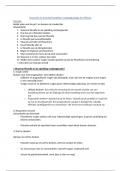
Evaluate the extent to which direct democracy, rather than representative democracy should be used in
the UK - ANS P1: Direct democracy should be used because it increases participation and engagement.
For example, referendums are a form of direct democracy. There wasa 72.2% turnout for Brexit,
compared to 68.7% for the 2017 election and the petition to revoke article 50 exceeded 5m signatures.
CP: However, brexit is an exception to this, perhaps due to its more emotive, identity based nature as it
relates to immigration laws etc. 1997 welsh devolution vote barely above 50%. Countries such as
Switzerland shows frequent referendums lead to apathy and disinterest, with the average turnout for
national votes was 46%.
representative govt also allows for 'joined-up govt' where individual policies are decided not in isolation
but with full consideration of potential knock-on effects for other areas of policy. they have more
expertise and interest in these polciies too. Wider use of referendums would undermine joined-up govt.
general public more likley to partcip in an eelction every 5 years.
p2:legitimacy of decisions
In a representative democracy, important issues that affect the general public can be passed without
their input. For example, snoopers charters, supported by 6% of people yet became law in 2016,
enabling unprecedented access to private metadata- people should have say on things that affect their
privacy. Therefore, in a direct democracy individual decisions backed by the public can be passed,
rendering them more legitimate .
cp: .
however, representative democracy allows parliament to implement policies that are necessary but
unpopular - the kinds of things that would not secure support if put to a public ballot.- these policies
have more legitimacy in the wider scheme of the constitution.
cp: direct democracy paradoxes of legimacy point
For example, brexiteers fighting remainers who want a second referendum, blair
Evaluate the extent to which direct democracy, rather than representative democracy should be used in
the UK - ANS P1: Direct democracy should be used because it increases participation and engagement.
For example, referendums are a form of direct democracy. There wasa 72.2% turnout for Brexit,
compared to 68.7% for the 2017 election and the petition to revoke article 50 exceeded 5m signatures.
CP: However, brexit is an exception to this, perhaps due to its more emotive, identity based nature as it
relates to immigration laws etc. 1997 welsh devolution vote barely above 50%. Countries such as
Switzerland shows frequent referendums lead to apathy and disinterest, with the average turnout for
national votes was 46%.
representative govt also allows for 'joined-up govt' where individual policies are decided not in isolation
but with full consideration of potential knock-on effects for other areas of policy. they have more
expertise and interest in these polciies too. Wider use of referendums would undermine joined-up govt.
general public more likley to partcip in an eelction every 5 years.
p2:legitimacy of decisions
In a representative democracy, important issues that affect the general public can be passed without
their input. For example, snoopers charters, supported by 6% of people yet became law in 2016,
enabling unprecedented access to private metadata- people should have say on things that affect their
privacy. Therefore, in a direct democracy individual decisions backed by the public can be passed,
rendering them more legitimate .
cp: .
however, representative democracy allows parliament to implement policies that are necessary but
unpopular - the kinds of things that would not secure support if put to a public ballot.- these policies
have more legitimacy in the wider scheme of the constitution.
cp: direct democracy paradoxes of legimacy point
For example, brexiteers fighting remainers who want a second referendum, blair