CLEP Western Civilization 2024 study Guide
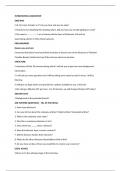
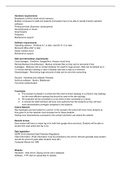
Egypt and Mesopotamian - First people groups Paleolithic - Old Stone Age Neolithic - New Stone Age economic, social, cultural, and religious development - Cities created became the center for what four types of development? Prehistory - No written records, depend on archaeology and biological information Hominids - earliest human-like creatures in Africa 3-4 million years ago Homoerectus - upright human beings, 1.5 million years ago, move from Africa to Europe and Asia Paleolithic Age - Old Stone Age, hunting & gathering of food, lived in small bands of 20-30, nomadic, spear, bow & arrow, fish hooks Neolithic Age - New Stone Age, after the last ice age, agricultural revolution (food gathering to food production), B.C., permanent settlements, trade began, refined stone tools Agricultural Revolution - Food production in B.C., favorable environment was fertile crescent Bronze Age - Copper and tin combined makes bronze, more durable than copper, B.C., Bronze then iron Seige of Tyre - Island half a mile from land surrounded by walls. AtG builds a land bridge to Tyre Civilization - Complex culture which large numbers of humans share a number of common elements Six characteristics of civilization - urban focus, religious structure, new political and military structure, new social structure based on economic power, development of writing, new forms of artistic and intellectual activity Tigris and Euphrates River - a place where civilizations emerged, fertile river valleys, between the two rivers is Mesopotamia, they get little rain but still have rich soil Mesopotamia - 'land between the Rivers' created by Sumerians, with independent cities, plenty of mud Ziggurat - Massive stepped tower where temples were built atop Theocracy - Government by divine authority, Sumerians believed gods ruled the cities Code of Hammurabi - 282 laws, for centuries they regulated relationships in Mesopotamia, reveals society with strict system of justic, focused much on marriage and family Polytheistic - The belief of many gods, Mesopotamian religion Cuneiform - 'wedge shaped', oldest Mesopotamian texts written by Sumerians using this system, clay tablets Nile River - Important development of Egyptians civilizations, longest river in the world, thousands of miles, black/red land, Miracle-flooding Egypt: Old Kingdom - During time of third to sixth dynasties of Egyptian kings, kingship, vizier in charge of bureaucracy and other departments, agriculture was backbone of prosperity, taxes Egypt: Middle Kingdom - Reorganized Nome structure, clear boundaries, taxes, laborers recruited, pharaoh's concern for people Pyramids - During Old Kingdom, dedicated to dead for king, small pyramids for family, mastabas for nobles, Largest built under King Khufu at Gaza 2540 B.C. Mummification - Properly preserve body, slowly drying a body to prevent it from decomposing Hyksos - Semitic-speaking people, dominated much of Egypt bringing Middle Kingdom to an end, taught Egyptians bronze, war aspects Amenhotep IV - Introduced worship of Aten god of sun disk as chief god, changed name to Akhenaten, strove to reduce priests influence and failed Hittites - Empire in W. Asian, threatened Egyptian power, iron weapons, Great King with vassals in local areas, ability to assimilate other cultures to their own Abraham - Patriarch to many descendants who migrated from Mesopotamia to Canaan and were known as 'The Children of Israel' Monotheism - The belief of doctrine that there is only one god
Written for
- Institution
- Western Civilization
- Module
- Western Civilization
Document information
- Uploaded on
- December 29, 2023
- Number of pages
- 7
- Written in
- 2023/2024
- Type
- Exam (elaborations)
- Contains
- Questions & answers
Subjects
-
clep western civilization
-
western civilization
-
western civilization
-
clep western civilization 2024

Also available in package deal