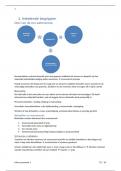
Communicable + non-communicable diseases :
Communicable diseases can be spread from person to person (such as,
measles). They are spread by pathogens such as bacteria or viruses.
Non-communicable diseases cannot be passed from person to person (for
example, coronary heart disease).
Health = the state of physical and metal well-being.
Ill health can be caused by both communicable and non communicable
diseases. It can also be caused by:
• Poor diet
• High levels of stress
• Other life situations (such as, working with harmful chemicals).
Tuberculosis (TB) :
Tuberculosis is a communicable lung disease and can be fatal. In most
people, the immune system can fight off TB. However, some people have a
defective immune system (for example, people with HIV). People with a
defective immune system are much more likely to suffer from infectious
diseases.
Human papilloma virus (HPV) :
HPV is extremely common and is essentially harmless in most people.
However, in some people, HPV can cause cervical cancer. Around 3000 women
are diagnosed with cervical cancer each year in the UK. most cervical
cancers are caused by the human papilloma virus which infects the cells of
the cervix.
Sometimes a disease can be triggered by the immune system (allergies such
as asthma). The immune system is infected with a pathogen which the immune
system fights off but the person is then left with an allergy.
Sometimes a mental illness can be triggered by a physical illness. People
with arthritis can find it very difficult to move and lead a normal life.
In certain cases, this can make them feel isolated and depressed.
,Correlating risk factors :
Lung cancer :
In the 1930s rates of lung cancer began to increase sharply and scientists
could not explain this. Scientists could not carry out experiments on
humans to try to work out what causes lung cancer because that would be
unethical. Scientists looked very closely at people’s lifestyle habits to
see if they could link any of these with lung cancer. Studying the paths
of disease to determine the risk factors is called epidemiology.
Scientists noticed that lung cancer is much more common among cigarette
smokers than among non smokers. Scientists looked at how many cigarettes
people smoked each day and then how many of these people developed lung
cancer. Scientists were looking to see if there was a correlation between
lung cancer and smoking.
developing
Y
↳ As the number of cigarettes smoked per day increases, the risk of
developing lung cancer also increases. This is a positive correlation.
A correlation does not prove cause, this graph does not prove that smoking
cigarettes causes lung cancer, it simply suggests there might be a link.
Causal mechanism :
Scientists began to look at how cigarette smoking could cause cancer.
They discovered that cigarette smoke contains chemicals which damage DNA
and increase the risk of cancer.
These are called carcinogens.
Sampling :
Imagine that we wanted to investigate whether a disease is linked to diet.
Ideally, we would look at every person in a population, what they ate and
then the chances of them getting the disease. However, it is not possible
to sample every single person. Scientists sample a group of people and
then try to draw conclusions about the whole population.
However, it is possible the sample could be biased. To avoid bias, you
need to take the largest sample possible and it must be as random as
, Lifestyle + disease :
Non-communicable diseases :
Cannot be passed from person to person, they are not caused by pathogens.
For example :
• Cardiovascular disease.
• Type 2 diabetes.
• Most types of cancer.
Risk factors for cardiovascular diseases :
• A diet high in fat + low in vegetables increases the levels of certain
types of cholesterol in the blood. Therefore, increasing the rate that
fatty materials build up in the arteries.
• A diet high in salt can increase blood pressure, increasing the risk of
developing cardiovascular diseases.
• Smoking massively increases the risk of developing cardiovascular
diseases.
• The risk is decreased in people who exercise regularly.
Risk factors for lung disease + lung cancer :
Smoking massively increases the risk of lung cancer because cigarette
smoke contains a number of chemicals which can trigger cancer. These are
called carcinogens.
Smoking also increases the risk of other lung diseases (such as,
emphysema). These diseases are extremely unpleasant and lead to very poor
quality of life.
Effects of smoking on unborn babies :
Smoking while pregnant increases the risk of miscarriage and premature
birth. It can also lead to the baby being born with a low body-mass.
Effects of drinking on unborn babies :
Drinking while pregnant can cause fetal alcohol syndrome. Children born
with fetal alcohol syndrome can have learning difficulties and other metal
or physical problems.
Effects of drinking alcohol on adults :
Adults who drink alcohol excessively increase their risk of liver
cirrhosis and liver cancer. Alcohol can also affect the brain, leading to
addiction and memory loss.
Type 2 diabetes :
People with type 2 diabetes struggle to control their blood glucose
levels. Type 2 diabetes can lead to blindness or require the amputation of
a limb. Obese people have a much higher risk of developing type 2
diabetes.
Communicable diseases can be spread from person to person (such as,
measles). They are spread by pathogens such as bacteria or viruses.
Non-communicable diseases cannot be passed from person to person (for
example, coronary heart disease).
Health = the state of physical and metal well-being.
Ill health can be caused by both communicable and non communicable
diseases. It can also be caused by:
• Poor diet
• High levels of stress
• Other life situations (such as, working with harmful chemicals).
Tuberculosis (TB) :
Tuberculosis is a communicable lung disease and can be fatal. In most
people, the immune system can fight off TB. However, some people have a
defective immune system (for example, people with HIV). People with a
defective immune system are much more likely to suffer from infectious
diseases.
Human papilloma virus (HPV) :
HPV is extremely common and is essentially harmless in most people.
However, in some people, HPV can cause cervical cancer. Around 3000 women
are diagnosed with cervical cancer each year in the UK. most cervical
cancers are caused by the human papilloma virus which infects the cells of
the cervix.
Sometimes a disease can be triggered by the immune system (allergies such
as asthma). The immune system is infected with a pathogen which the immune
system fights off but the person is then left with an allergy.
Sometimes a mental illness can be triggered by a physical illness. People
with arthritis can find it very difficult to move and lead a normal life.
In certain cases, this can make them feel isolated and depressed.
,Correlating risk factors :
Lung cancer :
In the 1930s rates of lung cancer began to increase sharply and scientists
could not explain this. Scientists could not carry out experiments on
humans to try to work out what causes lung cancer because that would be
unethical. Scientists looked very closely at people’s lifestyle habits to
see if they could link any of these with lung cancer. Studying the paths
of disease to determine the risk factors is called epidemiology.
Scientists noticed that lung cancer is much more common among cigarette
smokers than among non smokers. Scientists looked at how many cigarettes
people smoked each day and then how many of these people developed lung
cancer. Scientists were looking to see if there was a correlation between
lung cancer and smoking.
developing
Y
↳ As the number of cigarettes smoked per day increases, the risk of
developing lung cancer also increases. This is a positive correlation.
A correlation does not prove cause, this graph does not prove that smoking
cigarettes causes lung cancer, it simply suggests there might be a link.
Causal mechanism :
Scientists began to look at how cigarette smoking could cause cancer.
They discovered that cigarette smoke contains chemicals which damage DNA
and increase the risk of cancer.
These are called carcinogens.
Sampling :
Imagine that we wanted to investigate whether a disease is linked to diet.
Ideally, we would look at every person in a population, what they ate and
then the chances of them getting the disease. However, it is not possible
to sample every single person. Scientists sample a group of people and
then try to draw conclusions about the whole population.
However, it is possible the sample could be biased. To avoid bias, you
need to take the largest sample possible and it must be as random as
, Lifestyle + disease :
Non-communicable diseases :
Cannot be passed from person to person, they are not caused by pathogens.
For example :
• Cardiovascular disease.
• Type 2 diabetes.
• Most types of cancer.
Risk factors for cardiovascular diseases :
• A diet high in fat + low in vegetables increases the levels of certain
types of cholesterol in the blood. Therefore, increasing the rate that
fatty materials build up in the arteries.
• A diet high in salt can increase blood pressure, increasing the risk of
developing cardiovascular diseases.
• Smoking massively increases the risk of developing cardiovascular
diseases.
• The risk is decreased in people who exercise regularly.
Risk factors for lung disease + lung cancer :
Smoking massively increases the risk of lung cancer because cigarette
smoke contains a number of chemicals which can trigger cancer. These are
called carcinogens.
Smoking also increases the risk of other lung diseases (such as,
emphysema). These diseases are extremely unpleasant and lead to very poor
quality of life.
Effects of smoking on unborn babies :
Smoking while pregnant increases the risk of miscarriage and premature
birth. It can also lead to the baby being born with a low body-mass.
Effects of drinking on unborn babies :
Drinking while pregnant can cause fetal alcohol syndrome. Children born
with fetal alcohol syndrome can have learning difficulties and other metal
or physical problems.
Effects of drinking alcohol on adults :
Adults who drink alcohol excessively increase their risk of liver
cirrhosis and liver cancer. Alcohol can also affect the brain, leading to
addiction and memory loss.
Type 2 diabetes :
People with type 2 diabetes struggle to control their blood glucose
levels. Type 2 diabetes can lead to blindness or require the amputation of
a limb. Obese people have a much higher risk of developing type 2
diabetes.