
1
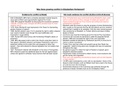
Was there growing conflict in Elizabethan Parliament?
Evidence for conflict (J.Neale) Not much evidence for conflict (G.Elton & M.A.R.Graves)
- Half of Elizabeth’s MPs had a university education/ trained lawyers- - Only 13 Parliaments were summoned during Elizabeth’s reign- each
more self-confident and argumentative against the Crown sat for a short period of time- average 10 weeks per session- she
- 1566: MPs angered Elizabeth by discussing the succession question mainly worked through her Privy Council and without the need for
- 1563-66: A Puritan party emerged (40 MPs) pressed issue for more parliamentary legislation
religious reform - Elizabeth used her powers to stop the progress of some Parliamentary
- 1576: Peter Wentworth was imprisoned in the Tower for demanding bills- usually on the grounds that the bill had defects and her ministers
greater freedom of speech realised that it needed to be redrafted. Only few were vetoed because
- 1586: Norfolk election case- H of C asserted its right to settle a dispute they unwelcome to Elizabeth i.e. Puritan reforms and issue of Mary,
over result of election even though this was traditionally Lord Queen of Scots
Chancellor’s responsibility - Commons was important training ground for future Privy Councillors
- 1584: Puritan MPs were furious with Archbishop Whitgift’s attack on - Commons did not press its demands to settle the disputed Norfolk
preachers election 1586 and conceded the right of the Lord Chancellor
- 1593: MPs discussed a bill to reform the Church using their claim to - Elizabeth resisted all attempts by Parliament (and PC) to force her to
free speech. Elizabeth ordered Lord Keeper Pickering to read out a marry or name a successor
statement setting out the extent she was prepared to allow free - Puritan Choir was less united and powerful group than Neale has
speech - they were allowed to discuss legislation but not matters that suggested - failed to bring about any changes and was not sustained
extended it throughout the reign
- 1601: Parliament clashed with Elizabeth on the issue of monopolies- - No general support to obtain the right of freedom of speech given
MPs refused to grant her additional taxes for the war against Spain Elizabeth’s absolute position
unless she agreed to withdraw many licences that had been issued - Parliaments mostly summoned to obtain money- most occasions she
got the money she requested
- Most work was legislating uncontentious issues such as land disputes
or town charters
- 1/3 MPs were nominated by a lord, with no real election. Some of the
Queen’s chief ministers, such as William Cecil had a seat in the House
of Lords but not in the Commons
- Government influence in the Commons was achieved through the
presence of lesser ministers such as Sir Christopher Hatton
Was there growing conflict in Elizabethan Parliament?
Evidence for conflict (J.Neale) Not much evidence for conflict (G.Elton & M.A.R.Graves)
- Half of Elizabeth’s MPs had a university education/ trained lawyers- - Only 13 Parliaments were summoned during Elizabeth’s reign- each
more self-confident and argumentative against the Crown sat for a short period of time- average 10 weeks per session- she
- 1566: MPs angered Elizabeth by discussing the succession question mainly worked through her Privy Council and without the need for
- 1563-66: A Puritan party emerged (40 MPs) pressed issue for more parliamentary legislation
religious reform - Elizabeth used her powers to stop the progress of some Parliamentary
- 1576: Peter Wentworth was imprisoned in the Tower for demanding bills- usually on the grounds that the bill had defects and her ministers
greater freedom of speech realised that it needed to be redrafted. Only few were vetoed because
- 1586: Norfolk election case- H of C asserted its right to settle a dispute they unwelcome to Elizabeth i.e. Puritan reforms and issue of Mary,
over result of election even though this was traditionally Lord Queen of Scots
Chancellor’s responsibility - Commons was important training ground for future Privy Councillors
- 1584: Puritan MPs were furious with Archbishop Whitgift’s attack on - Commons did not press its demands to settle the disputed Norfolk
preachers election 1586 and conceded the right of the Lord Chancellor
- 1593: MPs discussed a bill to reform the Church using their claim to - Elizabeth resisted all attempts by Parliament (and PC) to force her to
free speech. Elizabeth ordered Lord Keeper Pickering to read out a marry or name a successor
statement setting out the extent she was prepared to allow free - Puritan Choir was less united and powerful group than Neale has
speech - they were allowed to discuss legislation but not matters that suggested - failed to bring about any changes and was not sustained
extended it throughout the reign
- 1601: Parliament clashed with Elizabeth on the issue of monopolies- - No general support to obtain the right of freedom of speech given
MPs refused to grant her additional taxes for the war against Spain Elizabeth’s absolute position
unless she agreed to withdraw many licences that had been issued - Parliaments mostly summoned to obtain money- most occasions she
got the money she requested
- Most work was legislating uncontentious issues such as land disputes
or town charters
- 1/3 MPs were nominated by a lord, with no real election. Some of the
Queen’s chief ministers, such as William Cecil had a seat in the House
of Lords but not in the Commons
- Government influence in the Commons was achieved through the
presence of lesser ministers such as Sir Christopher Hatton


