

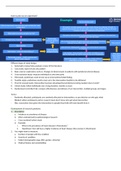
How to plan out an experiment?
Different types of study design:
1. Systematic review/meta-analysis: review of the literature
2. Case study: report of just one patient
3. Basic science: exploratory work ex. Changes to blood vessels in patients with peripheral arterial disease
4. Cross-sectional study: measure individuals at one time point
5. Pilot study: preliminary work to test out an intervention/initial finding
6. Feasible study: preliminary work to test out is the intervention feasible to be delivered
7. Proof of concept study: intervention has been developed but preliminary testing needed, does it work?
8. Cohort study: follow individuals over a long duration, months or years
9. Randomised controlled trial: compare effectiveness and delivery of an intervention, multiple groups and stages
Terms:
- Randomly allocated: participants are randomly allocated an intervention, no pre-decision on who gets what
- Blinded: either participants and/or research team don’t know who got what intervention
- Bias: researchers have given the intervention to people they think will most benefit from it
Development of research questions:
1. Descriptive:
a. Incidence or prevalence of disease
b. Often underpinned by epidemiological research
c. Cross-sectional/cohort study
d. Example:
i. What is the prevalence of heart disease in Manchester?
ii. Hypothesis: Men will have a higher incidence of heart disease than women in Manchester
2. You might want to measure:
a. Number of people with the condition
b. Severity of condition
c. Patient demographics (age, BMI, gender, ethnicity)
d. Medical history and comorbidities
Different types of study design:
1. Systematic review/meta-analysis: review of the literature
2. Case study: report of just one patient
3. Basic science: exploratory work ex. Changes to blood vessels in patients with peripheral arterial disease
4. Cross-sectional study: measure individuals at one time point
5. Pilot study: preliminary work to test out an intervention/initial finding
6. Feasible study: preliminary work to test out is the intervention feasible to be delivered
7. Proof of concept study: intervention has been developed but preliminary testing needed, does it work?
8. Cohort study: follow individuals over a long duration, months or years
9. Randomised controlled trial: compare effectiveness and delivery of an intervention, multiple groups and stages
Terms:
- Randomly allocated: participants are randomly allocated an intervention, no pre-decision on who gets what
- Blinded: either participants and/or research team don’t know who got what intervention
- Bias: researchers have given the intervention to people they think will most benefit from it
Development of research questions:
1. Descriptive:
a. Incidence or prevalence of disease
b. Often underpinned by epidemiological research
c. Cross-sectional/cohort study
d. Example:
i. What is the prevalence of heart disease in Manchester?
ii. Hypothesis: Men will have a higher incidence of heart disease than women in Manchester
2. You might want to measure:
a. Number of people with the condition
b. Severity of condition
c. Patient demographics (age, BMI, gender, ethnicity)
d. Medical history and comorbidities


