BLP WS3
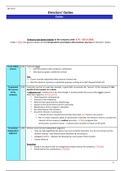
Directors’ Powers and Authority
Officers of the company
The officers of a company are the key persons involved in the running of the company who
have responsibilities and liability for acting on its behalf.
ü They include the company secretary, the directors and the managers of the company (CA 2006, s 1173(1)).
Directors
What are they?
v They take business decisions and make contracts on behalf of the company.
v Every private company must have at least one director: s 154(1) (public, two: s 154(2)).
v Considerable amount of power in company structure – thus safeguards built into company structure,
both by statute and by the articles, to protect the members.
v Collectively, known as the “board of directors”.
v Directors are agents of their company.
v Directors are in a fiduciary relationship with their company – owe special duties.
Types
• Despite the differences in terminology and responsibility, in the eyes of the law they are generally all subject to the
same legal controls on their activities.
• By s 250(1) of the CA 2006 the term ‘director’ whenever used in the CA 2006 is defined to include any person occupying
the position of director by whatever name called.
Executive directors o A director who has been appointed to an executive office within the company.
o An employee with the company – will have service contract.
o Board of directors usually have power to delegate powers (article 5), including by
appointing Chief Executive or Managing Director to whom they generally give authority to
run the company on a day-to-day basis – as if he were the whole board.
Non-executive o Does not participate in the day-to-day running of the business.
o Principal role is to attend and vote at board meetings.
o Not employee.
Chairman o In private companies, a Chairman (if appointed) will lead the directors’ board meetings and
shareholders’ general meetings.
o Powers determined by the company’s articles.
o Model articles state he has no special powers than his casting vote in the event of equal
vote for and against board resolution: article 13.
Shadow directors o Has not been formally appointed, but who influences decisions of the directors.
o A person is a shadow director if he gives directions or instructions to the directors of a
company and those directors are accustomed to act in accordance with his directions or
instructions (CA 2006, s 251(1)).
De facto directors o A ‘de facto’ director includes a person who has never been appointed as a director of a
company but nevertheless perform the functions of a director, or a person appointed
under a defect or who stays on after his term has expired.
Alternate o An alternate director is someone who attends board meetings in place of a director, ie a
standing director.
o The ability to send a substitute to board meetings is governed by the articles of the
company.
o The model articles for private companies do not contain any provision for the appointment
of alternate directors – needs special article.
1
Directors’ Powers and Authority
Officers of the company
The officers of a company are the key persons involved in the running of the company who
have responsibilities and liability for acting on its behalf.
ü They include the company secretary, the directors and the managers of the company (CA 2006, s 1173(1)).
Directors
What are they?
v They take business decisions and make contracts on behalf of the company.
v Every private company must have at least one director: s 154(1) (public, two: s 154(2)).
v Considerable amount of power in company structure – thus safeguards built into company structure,
both by statute and by the articles, to protect the members.
v Collectively, known as the “board of directors”.
v Directors are agents of their company.
v Directors are in a fiduciary relationship with their company – owe special duties.
Types
• Despite the differences in terminology and responsibility, in the eyes of the law they are generally all subject to the
same legal controls on their activities.
• By s 250(1) of the CA 2006 the term ‘director’ whenever used in the CA 2006 is defined to include any person occupying
the position of director by whatever name called.
Executive directors o A director who has been appointed to an executive office within the company.
o An employee with the company – will have service contract.
o Board of directors usually have power to delegate powers (article 5), including by
appointing Chief Executive or Managing Director to whom they generally give authority to
run the company on a day-to-day basis – as if he were the whole board.
Non-executive o Does not participate in the day-to-day running of the business.
o Principal role is to attend and vote at board meetings.
o Not employee.
Chairman o In private companies, a Chairman (if appointed) will lead the directors’ board meetings and
shareholders’ general meetings.
o Powers determined by the company’s articles.
o Model articles state he has no special powers than his casting vote in the event of equal
vote for and against board resolution: article 13.
Shadow directors o Has not been formally appointed, but who influences decisions of the directors.
o A person is a shadow director if he gives directions or instructions to the directors of a
company and those directors are accustomed to act in accordance with his directions or
instructions (CA 2006, s 251(1)).
De facto directors o A ‘de facto’ director includes a person who has never been appointed as a director of a
company but nevertheless perform the functions of a director, or a person appointed
under a defect or who stays on after his term has expired.
Alternate o An alternate director is someone who attends board meetings in place of a director, ie a
standing director.
o The ability to send a substitute to board meetings is governed by the articles of the
company.
o The model articles for private companies do not contain any provision for the appointment
of alternate directors – needs special article.
1