COEFFICIENT OF FRICTION
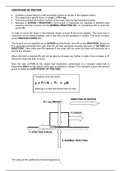
Consider a mass lying on a flat horizontal surface as shown in the diagram below.
The mass has a gravity force, or weight, of W = mg.
This force presses the bottom surface of the mass onto the flat horizontal surface.
Because of ACTION = REACTION a force equal in magnitude but opposite in direction acts
upwards and this is known as the NORMAL REACTION (N). n.b. sometimes this is given the
symbol R.
In order to move the mass in the direction shown a force F has to be applied. This force has to
overcome a force acting between, and in line with, the two surfaces in contact. This force is known
as the FRICTION FORCE (FF).
The force F can be regarded as an ACTION and the friction force FF as the REACTION. Hence as
F is gradually increased from zero then FF will also gradually increase because of "ACTION and
REACTION". Now while ever FF balances F the mass will not move but there will obviously be a
limit to this situation.
When this limit is reached FF will not be able to increase any further in spite of an increase in F;
hence the mass will start to move.
Now the ratio of FF/N at the instant that movement commences is a constant value that is
dependent ONLY on the nature of the pair of surfaces in contact. This constant is given the symbol
and is called the COEFFICIENT OF FRICTION.
Therefore from the above
= FF / N or FF = N
where is a ratio and hence has no units.
DIRECTION OF MOTION
W = mg (WEIGHT)
F (FORCE)
FF (FRICTION FORCE)
N (NORMAL REACTION)
The value of the coefficient of friction depends on
1
, APPROXIMATE VALUES FOR
MATERIALS IN CONTACT DRY LUBRICATED
STEEL ON STEEL 0.15 - 0.25 0.10 - 0.20
STEEL ON PHOSPHOR BRONZE 0.35 - 0.40 0.10
STEEL ON GRAPHITE 0.10 0.10
STEEL ON TEFLON 0.04 0.04
STEEL ON FERODO 0.50 - 0.70
RUBBER ON TARMAC 0.50 - 0.80 0.25 - 0.75
NOTE - these values are only approximate hence wherever possible the coefficient should be
determined under actual or simulated conditions.
- when carrying out calculations it is best to err on the safe side by using the lower value
when friction is to be used to advantage (i.e. assisting stopping). Conversely, the higher
value should be used when friction has to be overcome (i.e. objects are being moved).
EXAMPLE 1 - the normal reaction between a mass and the surface on which it rests is 900
newtons. Determine the frictional resistance to sliding if the coefficient of friction is 0.33.
INTENDED ………………………………………………………………
MOTION
………………………………………………………………
………………………………………………………………
………………………………………………………………
………………………………………………………………
………………………………………………………………
EXAMPLE 2 - in an experiment to determine the coefficient of friction, it was found that a force of
30 newtons was required to just move the sliding mass. If the normal reaction was 150 newtons
determine the coefficient of friction. If the underside of the mass was now lubricated such that the
coefficient reduced by 80%, determine its acceleration assuming that 30 newtons was still applied.
STEADY
MOTION ………………………………………………………………
………………………………………………………………
………………………………………………………………
………………………………………………………………
………………………………………………………………
………………………………………………………………
MOTION
………………………………………………………………
………………………………………………………………
………………………………………………………………
………………………………………………………………
2
Consider a mass lying on a flat horizontal surface as shown in the diagram below.
The mass has a gravity force, or weight, of W = mg.
This force presses the bottom surface of the mass onto the flat horizontal surface.
Because of ACTION = REACTION a force equal in magnitude but opposite in direction acts
upwards and this is known as the NORMAL REACTION (N). n.b. sometimes this is given the
symbol R.
In order to move the mass in the direction shown a force F has to be applied. This force has to
overcome a force acting between, and in line with, the two surfaces in contact. This force is known
as the FRICTION FORCE (FF).
The force F can be regarded as an ACTION and the friction force FF as the REACTION. Hence as
F is gradually increased from zero then FF will also gradually increase because of "ACTION and
REACTION". Now while ever FF balances F the mass will not move but there will obviously be a
limit to this situation.
When this limit is reached FF will not be able to increase any further in spite of an increase in F;
hence the mass will start to move.
Now the ratio of FF/N at the instant that movement commences is a constant value that is
dependent ONLY on the nature of the pair of surfaces in contact. This constant is given the symbol
and is called the COEFFICIENT OF FRICTION.
Therefore from the above
= FF / N or FF = N
where is a ratio and hence has no units.
DIRECTION OF MOTION
W = mg (WEIGHT)
F (FORCE)
FF (FRICTION FORCE)
N (NORMAL REACTION)
The value of the coefficient of friction depends on
1
, APPROXIMATE VALUES FOR
MATERIALS IN CONTACT DRY LUBRICATED
STEEL ON STEEL 0.15 - 0.25 0.10 - 0.20
STEEL ON PHOSPHOR BRONZE 0.35 - 0.40 0.10
STEEL ON GRAPHITE 0.10 0.10
STEEL ON TEFLON 0.04 0.04
STEEL ON FERODO 0.50 - 0.70
RUBBER ON TARMAC 0.50 - 0.80 0.25 - 0.75
NOTE - these values are only approximate hence wherever possible the coefficient should be
determined under actual or simulated conditions.
- when carrying out calculations it is best to err on the safe side by using the lower value
when friction is to be used to advantage (i.e. assisting stopping). Conversely, the higher
value should be used when friction has to be overcome (i.e. objects are being moved).
EXAMPLE 1 - the normal reaction between a mass and the surface on which it rests is 900
newtons. Determine the frictional resistance to sliding if the coefficient of friction is 0.33.
INTENDED ………………………………………………………………
MOTION
………………………………………………………………
………………………………………………………………
………………………………………………………………
………………………………………………………………
………………………………………………………………
EXAMPLE 2 - in an experiment to determine the coefficient of friction, it was found that a force of
30 newtons was required to just move the sliding mass. If the normal reaction was 150 newtons
determine the coefficient of friction. If the underside of the mass was now lubricated such that the
coefficient reduced by 80%, determine its acceleration assuming that 30 newtons was still applied.
STEADY
MOTION ………………………………………………………………
………………………………………………………………
………………………………………………………………
………………………………………………………………
………………………………………………………………
………………………………………………………………
MOTION
………………………………………………………………
………………………………………………………………
………………………………………………………………
………………………………………………………………
2