Week 2 NR 565
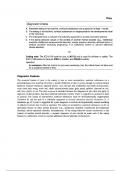
Guiding principles for prescribers - answer1. Be clear about the reasons for prescribing
2. Take into account the patient's medication history before prescribing
3. Take into account other factors that might alter the benefits and risks of treatment
4. Take into account the patient's ideas, concerns, and expectations
5. Select effective, safe, and cost effective medicines individualised for the patient
6. Adhere to national guidelines and local formularies where appropriate
7. Write unambiguous legal prescriptions using the correct documentation
8. Monitor the beneficial and adverse effects of medicines
9. Communicate and document prescribing decisions and the reasons for them
10. Prescribe within the limitations of your knowledge, skills and experience
Examples of pure opioid agonists – answer Examples of full agonists are heroin,
oxycodone, methadone, hydrocodone, morphine, opium and others.
What is used to calculate a patient's overdose risk? – answer Dosages at or above 50
MME/day increase risks for overdose by at least
Calculating the total daily dose of opioids helps identify patients who may benefit from
closer monitoring, reduction or tapering of opioids, prescribing of naloxone, or other
measures to reduce risk of overdose.
50 MME/day:
50 mg of hydrocodone (10 tablets of hydrocodone/ acetaminophen 5/300)
33 mg of oxycodone (~2 tablets of oxycodone sustained-release 15 mg)
12 mg of methadone ( <3 tablets of methadone 5 mg)
90 MME/day:
• 90 mg of hydrocodone (9 tablets of hydrocodone/ acetaminophen 10/325)
• 60 mg of oxycodone (~2 tablets of oxycodone sustained-release 30 mg)
• ~20 mg of methadone (4 tablets of methadone 5 mg)
How would you know when to refer someone to a pain specialist for pain management?
- answerIf the cause of the pain is known (or unknown), serious disease excluded, no
curative treatment is readily available, current treatment is not helping, or the pain
interferes with daily function, referral should to a pain specialist should be considered.
Prescription Drug Monitoring Program (PDMP)
o What is it?
o Why is it important? - answerA prescription drug monitoring program (PDMP) is an
electronic database that tracks controlled substance prescriptions. PDMPs can help
, identify patients who may be misusing prescription opioids or other prescription drugs
and who may be at risk for overdose.
It's an important step to improve opioid prescribing practices.
How renal and hepatic function impact medication levels in the body - answerThe
capacity of the liver to metabolise drugs depends on hepatic blood flow and liver
enzyme activity, both of which can be affected by liver disease. In addition, liver failure
can influence the binding of a drug to plasma proteins.
Both prescription and over-the-counter medications are filtered by the kidneys. This
means that your kidneys degrade and remove medications from the body. When your
kidneys aren't working properly, medications can build up and cause you harm.
How to assess someone for possible drug diversion - answerDrug diversion is the
transfer of a prescription drug from a lawful to an unlawful channelof distribution or use.
I: Identify where diversion occurs in the healthcare environment
II: Identify workers at risk for drug diversion
III: Define a comprehensive drug diversion program
IV: Engage leadership
V: Tap into technology
VI: Incorporate approach into culture and training
When should naloxone be prescribed for a patient? - answerA practitioner should
assess the need to prescribe naloxone for patients who are receiving medication-
assisted treatment (MAT) or otherwise considered a risk for opioid overdose.
Behaviors that predict controlled substance addiction - answerCommon signs and
symptoms of drug abuse
Risk taking when you're using, such as driving, having unprotected sex
Neglecting responsibilities at school, work, or home
Legal trouble, such as arrests for disorderly conduct, driving under the influence
Physical warning signs of drug abuse
Bloodshot eyes, pupils larger or smaller than usual
Changes in appetite, sleep patterns, physical appearance
Unusual smells on breath, body, or clothing, or impaired coordination
Behavioral signs of drug abuse
Drop in attendance and performance at work or school
Engaging in secretive or suspicious behaviors
Sudden change in friends, favorite hangouts, and hobbies
Psychological warning signs of drug abuse
Unexplained change in personality or attitude
Sudden mood swings, irritability, spaced-out, or angry outbursts
Appears fearful, anxious, or paranoid, with no reason
Guiding principles for prescribers - answer1. Be clear about the reasons for prescribing
2. Take into account the patient's medication history before prescribing
3. Take into account other factors that might alter the benefits and risks of treatment
4. Take into account the patient's ideas, concerns, and expectations
5. Select effective, safe, and cost effective medicines individualised for the patient
6. Adhere to national guidelines and local formularies where appropriate
7. Write unambiguous legal prescriptions using the correct documentation
8. Monitor the beneficial and adverse effects of medicines
9. Communicate and document prescribing decisions and the reasons for them
10. Prescribe within the limitations of your knowledge, skills and experience
Examples of pure opioid agonists – answer Examples of full agonists are heroin,
oxycodone, methadone, hydrocodone, morphine, opium and others.
What is used to calculate a patient's overdose risk? – answer Dosages at or above 50
MME/day increase risks for overdose by at least
Calculating the total daily dose of opioids helps identify patients who may benefit from
closer monitoring, reduction or tapering of opioids, prescribing of naloxone, or other
measures to reduce risk of overdose.
50 MME/day:
50 mg of hydrocodone (10 tablets of hydrocodone/ acetaminophen 5/300)
33 mg of oxycodone (~2 tablets of oxycodone sustained-release 15 mg)
12 mg of methadone ( <3 tablets of methadone 5 mg)
90 MME/day:
• 90 mg of hydrocodone (9 tablets of hydrocodone/ acetaminophen 10/325)
• 60 mg of oxycodone (~2 tablets of oxycodone sustained-release 30 mg)
• ~20 mg of methadone (4 tablets of methadone 5 mg)
How would you know when to refer someone to a pain specialist for pain management?
- answerIf the cause of the pain is known (or unknown), serious disease excluded, no
curative treatment is readily available, current treatment is not helping, or the pain
interferes with daily function, referral should to a pain specialist should be considered.
Prescription Drug Monitoring Program (PDMP)
o What is it?
o Why is it important? - answerA prescription drug monitoring program (PDMP) is an
electronic database that tracks controlled substance prescriptions. PDMPs can help
, identify patients who may be misusing prescription opioids or other prescription drugs
and who may be at risk for overdose.
It's an important step to improve opioid prescribing practices.
How renal and hepatic function impact medication levels in the body - answerThe
capacity of the liver to metabolise drugs depends on hepatic blood flow and liver
enzyme activity, both of which can be affected by liver disease. In addition, liver failure
can influence the binding of a drug to plasma proteins.
Both prescription and over-the-counter medications are filtered by the kidneys. This
means that your kidneys degrade and remove medications from the body. When your
kidneys aren't working properly, medications can build up and cause you harm.
How to assess someone for possible drug diversion - answerDrug diversion is the
transfer of a prescription drug from a lawful to an unlawful channelof distribution or use.
I: Identify where diversion occurs in the healthcare environment
II: Identify workers at risk for drug diversion
III: Define a comprehensive drug diversion program
IV: Engage leadership
V: Tap into technology
VI: Incorporate approach into culture and training
When should naloxone be prescribed for a patient? - answerA practitioner should
assess the need to prescribe naloxone for patients who are receiving medication-
assisted treatment (MAT) or otherwise considered a risk for opioid overdose.
Behaviors that predict controlled substance addiction - answerCommon signs and
symptoms of drug abuse
Risk taking when you're using, such as driving, having unprotected sex
Neglecting responsibilities at school, work, or home
Legal trouble, such as arrests for disorderly conduct, driving under the influence
Physical warning signs of drug abuse
Bloodshot eyes, pupils larger or smaller than usual
Changes in appetite, sleep patterns, physical appearance
Unusual smells on breath, body, or clothing, or impaired coordination
Behavioral signs of drug abuse
Drop in attendance and performance at work or school
Engaging in secretive or suspicious behaviors
Sudden change in friends, favorite hangouts, and hobbies
Psychological warning signs of drug abuse
Unexplained change in personality or attitude
Sudden mood swings, irritability, spaced-out, or angry outbursts
Appears fearful, anxious, or paranoid, with no reason