-Survey
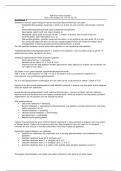
● The historical and geographical context, including:
– geographical setting, natural features and resources of ancient Sparta
Geography
- Has a port
- Had two rivers, one on either side of it’s territory
- Territory ran to the sea of Gytheon and territory contains the river
Eurotas
- Naturally protected by mountains, like Mt Taygetos
- Situated on a fertile plain
- Currently inhabited (hard to excavate / maintain)
Features and Resources
- Limestone and marble came from the mountains
- Wood from the forests
- Iron was mined
- Barley was grown (rich, fertile soil)
- Olive trees were planted, grapes were grown for wine
- Sheep provide wool, goats provide milk and cheese (grazed on the
hillside)
- Bees were kept for honey
- Pigs were kept for food and leather (used to make sandals)
- At the port of Gytheon, the Spartans had access to seafood. The sea
also provided access to the murex mollusc, used for the purple-red
Murex-dye (used to dye clothes)
– significant sites: Sparta
- Surrounding wall, akropolis, shrines, graves / cemetery outside the city,
pottery
Historical overview
- Sparta is in the Peloponnesus
Bronze Age Greece (3,000 - 1,500 BC)
- Minoans existed on the island of Crete from 3,000 - 1,450 BC
- By 1800 BC they had developed writing (linear a and b)
- Due to their location the Minoan cities and palaces were prone to
earthquakes (destroyed in 1700 and 1450 BC). Invaders from
mainland Greece are thought to have taken advantage of this
period of weakness and invaded
- Mycenaeans come from Mainland Greece (called Mycenaeans after their capital at
Mycenae which is a city in the Peloponnese) and are believed to have controlled Crete
after the Minoans (linear b appears in the Mycenaean records )
- The Mycenaeans captured and destroyed the city of Troy during the Trojan war (thought
to have taken place in the 13th century)
,Dark Age Greece (1,150 - 750 BC)
- Mycenaean buildings were looted, destroyed, burned, or abandoned. It was believed the
attackers were Dorians from Northern Greece (settled at the site of Sparta around 1,000
BC)
- Other mainland Greek dialect groups (Ionians) migrated south into the island and coast
(fleeing from Dorians??)
- The Iron Age reached Greece
750 - 490 BC on Mainland Greece
- As a result of the Persian war, important changes occurred, including:
- Agriculture came to be dominated by the aristocracy or large landowners
- The Greek alphabet was developed around about 800 BC
- Panhellenic institutions and sanctuaries emerged (Olympic festivals, Temple of
Delphi) which reinforced a common identity for the Greeks
- Don't see themselves as ‘Greeks’ but as ‘city states’ first
- Concept of the polis (Greek city states) emerged. By 700 all parts of Greece had
formed and become part of a polis
- Governments were taken over by aristocratic oligarchies, resulting in political
conflicts and the rise of tyrants, who took power from the rich to win support
from the poor
- Democracy was introduced in Athens in 508 BC, Sparta introduced and
maintained a unique political system
The Rise of Sparta
- By the 9th century BC Greece was experiencing rapid population growth, Sparta's
solution to land shortages was the conquest of its neighbours
- In the 8th century, Sparta took control of the whole Laconian plain and Messenia,
becoming one of the largest Greek city states (fertile land = wealth)
- Most Laconians and Messenians were reduced to the status of helots, while the occupant
of the towns around Sparta became perioeci / perioikoi
- Sparta adopted a series of reforms to form a society totally dedicated to military power
- In the 6th century, Sparta waged war against its remaining Peleponesian rivals and
became the most powerful state in the Greek world
- To secure their position, the Spartans formed an alliance referred to as the Peloponnesian
League
Sparta and the Persian War
- In 499 BC the Ionian Greek cities revolted against the rule of the Persian Empire
- A Persian attempt to invade the Greek mainland was defeated by Athenian and Plataian
Hoplites at the Battle of Marathon (490 BC)
- Under King Xerxes the Persians launched a second attack by land and sea, which
culminated in the Battle of Thermopylae (480 BC) and the Battle of Plataea (479 BC)
The Peloponnesian War
- The Delian League was formed, with Athens at it’s centre, to protect against Persia
(Delos was the treasury)
- However, Athens abused their power and some of the city states turned to Sparta for
leadership
, - The power struggle between Athens and Sparta and it’s ally Corinth culminated in a
sporadic 55 year long war (431 - 404 BC)
- Sparta ultimately won the Peloponesian war because Athens lost, not because sparta won
- Neither were great powers after the war (sparta ends 371)
Sparta and the Battle of Leuctra
- After the Peloponnesian war, Sparta became the strongest power in Greece and used it’s
power to install pro-Spartan oligarchies in other Greek poleis
- In return for Persian support at the end of the war, it surrendered the Greek cities of Asia
Minor (Sparta became presented throughout Greece)
- Years of conflict with Thebes ultimately culminated with the Battle of Leuctra (371 BC)
where a smaller Theban army defeated the Spartans and encouraged rebellion of the
Greek poleis and succeeded in liberating Messenia in 369 BC
Focus of study
● Social structure and political organisation, including:
– the Great Rhetra: the issue of Lycurgus
Who Was Lycurgus?
- Lycurgus was a distinguished Spartan and the regent (uncle) of the King of Sparta, Leobotas
- He introduced and implemented numerous laws in Sparta (through the Great Rhetra) which made
fundamental changes in the law, reorganised the army, and introduced a system of messes and a
new tactical division of squadrons and companies
- =It was thought he visited the Delphic oracle who revealed to him a system of government that
brought back to Sparta (The Great Rhetra) however some Spartans say he brought the system
from Crete when he became regent of his nephew, the King of Sparta
What is the Great Rhetra?
- Sparta avoided devastating political upheaval by a series of changes to government that created
the Spartan ‘constitution’, which was a series of new political understandings based on the
oracle’s guidance
- An utterance from the Delphic Oracle or from Crete brought back to Sparta by Lycurgus
- Changed the Spartan constitution and law (army organization, monarchy to
oligarchy/monarchy/democracy, agoge/education)
- States the people must be divided into tribes and then divided into divisions
Why is there an Issue with Lycurgus?
- Lycurgus is confused history (mistranslations of his name?)
- Two men called Lykourgos of Sparta, at different times and that the achievements of both
of them were credited to one of them, because his fame was much greater (Timaios)
- The date of his life (and therefore achievements) is contested
- Peak of his life about the time of Iphitus
- He was possibly the partner of Iphitus in establishing the Olympic truce (776 BC) and
potentially met Homer face to face
- He lived many years before the First Olympiad (Eratosthenes and Apollodoros)
- Lykourgos lived in the time of the Herakleidai (Xenophon)
– roles and privileges of the two kings
● The historical and geographical context, including:
– geographical setting, natural features and resources of ancient Sparta
Geography
- Has a port
- Had two rivers, one on either side of it’s territory
- Territory ran to the sea of Gytheon and territory contains the river
Eurotas
- Naturally protected by mountains, like Mt Taygetos
- Situated on a fertile plain
- Currently inhabited (hard to excavate / maintain)
Features and Resources
- Limestone and marble came from the mountains
- Wood from the forests
- Iron was mined
- Barley was grown (rich, fertile soil)
- Olive trees were planted, grapes were grown for wine
- Sheep provide wool, goats provide milk and cheese (grazed on the
hillside)
- Bees were kept for honey
- Pigs were kept for food and leather (used to make sandals)
- At the port of Gytheon, the Spartans had access to seafood. The sea
also provided access to the murex mollusc, used for the purple-red
Murex-dye (used to dye clothes)
– significant sites: Sparta
- Surrounding wall, akropolis, shrines, graves / cemetery outside the city,
pottery
Historical overview
- Sparta is in the Peloponnesus
Bronze Age Greece (3,000 - 1,500 BC)
- Minoans existed on the island of Crete from 3,000 - 1,450 BC
- By 1800 BC they had developed writing (linear a and b)
- Due to their location the Minoan cities and palaces were prone to
earthquakes (destroyed in 1700 and 1450 BC). Invaders from
mainland Greece are thought to have taken advantage of this
period of weakness and invaded
- Mycenaeans come from Mainland Greece (called Mycenaeans after their capital at
Mycenae which is a city in the Peloponnese) and are believed to have controlled Crete
after the Minoans (linear b appears in the Mycenaean records )
- The Mycenaeans captured and destroyed the city of Troy during the Trojan war (thought
to have taken place in the 13th century)
,Dark Age Greece (1,150 - 750 BC)
- Mycenaean buildings were looted, destroyed, burned, or abandoned. It was believed the
attackers were Dorians from Northern Greece (settled at the site of Sparta around 1,000
BC)
- Other mainland Greek dialect groups (Ionians) migrated south into the island and coast
(fleeing from Dorians??)
- The Iron Age reached Greece
750 - 490 BC on Mainland Greece
- As a result of the Persian war, important changes occurred, including:
- Agriculture came to be dominated by the aristocracy or large landowners
- The Greek alphabet was developed around about 800 BC
- Panhellenic institutions and sanctuaries emerged (Olympic festivals, Temple of
Delphi) which reinforced a common identity for the Greeks
- Don't see themselves as ‘Greeks’ but as ‘city states’ first
- Concept of the polis (Greek city states) emerged. By 700 all parts of Greece had
formed and become part of a polis
- Governments were taken over by aristocratic oligarchies, resulting in political
conflicts and the rise of tyrants, who took power from the rich to win support
from the poor
- Democracy was introduced in Athens in 508 BC, Sparta introduced and
maintained a unique political system
The Rise of Sparta
- By the 9th century BC Greece was experiencing rapid population growth, Sparta's
solution to land shortages was the conquest of its neighbours
- In the 8th century, Sparta took control of the whole Laconian plain and Messenia,
becoming one of the largest Greek city states (fertile land = wealth)
- Most Laconians and Messenians were reduced to the status of helots, while the occupant
of the towns around Sparta became perioeci / perioikoi
- Sparta adopted a series of reforms to form a society totally dedicated to military power
- In the 6th century, Sparta waged war against its remaining Peleponesian rivals and
became the most powerful state in the Greek world
- To secure their position, the Spartans formed an alliance referred to as the Peloponnesian
League
Sparta and the Persian War
- In 499 BC the Ionian Greek cities revolted against the rule of the Persian Empire
- A Persian attempt to invade the Greek mainland was defeated by Athenian and Plataian
Hoplites at the Battle of Marathon (490 BC)
- Under King Xerxes the Persians launched a second attack by land and sea, which
culminated in the Battle of Thermopylae (480 BC) and the Battle of Plataea (479 BC)
The Peloponnesian War
- The Delian League was formed, with Athens at it’s centre, to protect against Persia
(Delos was the treasury)
- However, Athens abused their power and some of the city states turned to Sparta for
leadership
, - The power struggle between Athens and Sparta and it’s ally Corinth culminated in a
sporadic 55 year long war (431 - 404 BC)
- Sparta ultimately won the Peloponesian war because Athens lost, not because sparta won
- Neither were great powers after the war (sparta ends 371)
Sparta and the Battle of Leuctra
- After the Peloponnesian war, Sparta became the strongest power in Greece and used it’s
power to install pro-Spartan oligarchies in other Greek poleis
- In return for Persian support at the end of the war, it surrendered the Greek cities of Asia
Minor (Sparta became presented throughout Greece)
- Years of conflict with Thebes ultimately culminated with the Battle of Leuctra (371 BC)
where a smaller Theban army defeated the Spartans and encouraged rebellion of the
Greek poleis and succeeded in liberating Messenia in 369 BC
Focus of study
● Social structure and political organisation, including:
– the Great Rhetra: the issue of Lycurgus
Who Was Lycurgus?
- Lycurgus was a distinguished Spartan and the regent (uncle) of the King of Sparta, Leobotas
- He introduced and implemented numerous laws in Sparta (through the Great Rhetra) which made
fundamental changes in the law, reorganised the army, and introduced a system of messes and a
new tactical division of squadrons and companies
- =It was thought he visited the Delphic oracle who revealed to him a system of government that
brought back to Sparta (The Great Rhetra) however some Spartans say he brought the system
from Crete when he became regent of his nephew, the King of Sparta
What is the Great Rhetra?
- Sparta avoided devastating political upheaval by a series of changes to government that created
the Spartan ‘constitution’, which was a series of new political understandings based on the
oracle’s guidance
- An utterance from the Delphic Oracle or from Crete brought back to Sparta by Lycurgus
- Changed the Spartan constitution and law (army organization, monarchy to
oligarchy/monarchy/democracy, agoge/education)
- States the people must be divided into tribes and then divided into divisions
Why is there an Issue with Lycurgus?
- Lycurgus is confused history (mistranslations of his name?)
- Two men called Lykourgos of Sparta, at different times and that the achievements of both
of them were credited to one of them, because his fame was much greater (Timaios)
- The date of his life (and therefore achievements) is contested
- Peak of his life about the time of Iphitus
- He was possibly the partner of Iphitus in establishing the Olympic truce (776 BC) and
potentially met Homer face to face
- He lived many years before the First Olympiad (Eratosthenes and Apollodoros)
- Lykourgos lived in the time of the Herakleidai (Xenophon)
– roles and privileges of the two kings