BIOL 2401 ANATOMY AND PHYSIOLOGY 1 LONE STAR
COLLEGE EXAM 1 STUDY GUIDE (CH 1-4) – Questions With
Comprehensive Solutions
Save
Students also studied
INBDE Orthodontics NBDE II Review - Prosthodontics Perio Study
201 terms 69 terms Teacher 78 terms
dong_lee82 Preview melissa_jarvis7 Preview Hunter_Charters
Practice questions for this set
Learn 1 /7 Study with Learn
combination of solute and solvent at equilibrium
Choose an answer
1 SOLUTION 2 ANATOMY
3 PELVIC CAVITY 4 TYPES OF ANATOMICAL PLANES
Don't know?
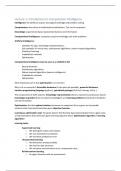
Terms in this set (157)
ANATOMY study of structure
PHYSIOLOGY study of function
1) chemical
2) cellular
LEVELS OF BIOLOGICAL 3) tissue
ORGANIZATION 4) organ
5) organ system
6) organismal
body's ability to maintain relatively stable conditions during
HOMEOSTASIS
changing external environment
TYPES OF ANATOMICAL sagittal, transverse, frontal
PLANES
SAGITTAL PLANE divides the body/organ into left and right lateral parts
TRANSVERSE PLANE divides the body into superior and inferior parts
FRONTAL PLANE divides the body into anterior and posterior parts
, 3 MAIN BODY CAVITIES thoracic, abdominal, and pelvic
1) superior to the diaphragm
THORACIC CAVITY
2) contains 2 pleural cavities which contains lungs and
mediastinum
1) region between the lungs, from the sternum to the vertebral
column
MEDIASTINUM
2) heart is located within the mediastinum
ABDOMINAL CAVITY below the diaphragm and contains many of the digestive organs
exists inferior to the abdominal cavity and contains the lower
PELVIC CAVITY digestive organs (e.g. urinary system and reproductive system
organs)
1) thin sheet of cells that line cavities that do not open to the
outside of the body
SEROUS MEMBRANE 2) consists of simple squamous epithelium, basement membrane,
and lamina propria
3) produces fluid that decreases friction
ELEMENTS LIVING SYSTEM ARE oxygen (O), hydrogen (H), nitrogen (N), carbon (C)
COMPOSED OF
SUBUNITS OF ATOM protons, neutrons, and electrons
TYPES OF CHEMICAL BONDS ionic, covalent, and hydrogen
forms when 1 atom loses electron to another atom, which gains
the electron
IONIC BOND
e.g. Na and Cl
forms when 2 or more atoms form a molecule by sharing
COVALENT BOND
electrons
TYPES OF COVALENT BONDS polar and non polar
more of an attraction towards molecules versus actual bonding;
HYDROGEN BONDS
important for DNA
CHEMICAL REACTIONS formation, rearrangement or breaking of bonds
METABOLISM sum of all chemical reactions occurring in organism
TYPES OF CHEMICAL catabolism and anabolism
REACTIONS
reactions in which the chemical structures are broken down into
smaller structures
CATABOLISM
e.g. NaCl --> Na(+) + Cl(-)
reactions in which there is a combination of 2 or more chemical
structures, resulting in a larger structure
ANABOLISM
e.g. Na + Cl --> NaCl
TYPES OF MOLECULES organic and inorganic
INORGANIC MOLECULES small in size and will not contain carbon
water
EXAMPLES OF INORGANIC acids
MOLECULES bases
salts
COLLEGE EXAM 1 STUDY GUIDE (CH 1-4) – Questions With
Comprehensive Solutions
Save
Students also studied
INBDE Orthodontics NBDE II Review - Prosthodontics Perio Study
201 terms 69 terms Teacher 78 terms
dong_lee82 Preview melissa_jarvis7 Preview Hunter_Charters
Practice questions for this set
Learn 1 /7 Study with Learn
combination of solute and solvent at equilibrium
Choose an answer
1 SOLUTION 2 ANATOMY
3 PELVIC CAVITY 4 TYPES OF ANATOMICAL PLANES
Don't know?
Terms in this set (157)
ANATOMY study of structure
PHYSIOLOGY study of function
1) chemical
2) cellular
LEVELS OF BIOLOGICAL 3) tissue
ORGANIZATION 4) organ
5) organ system
6) organismal
body's ability to maintain relatively stable conditions during
HOMEOSTASIS
changing external environment
TYPES OF ANATOMICAL sagittal, transverse, frontal
PLANES
SAGITTAL PLANE divides the body/organ into left and right lateral parts
TRANSVERSE PLANE divides the body into superior and inferior parts
FRONTAL PLANE divides the body into anterior and posterior parts
, 3 MAIN BODY CAVITIES thoracic, abdominal, and pelvic
1) superior to the diaphragm
THORACIC CAVITY
2) contains 2 pleural cavities which contains lungs and
mediastinum
1) region between the lungs, from the sternum to the vertebral
column
MEDIASTINUM
2) heart is located within the mediastinum
ABDOMINAL CAVITY below the diaphragm and contains many of the digestive organs
exists inferior to the abdominal cavity and contains the lower
PELVIC CAVITY digestive organs (e.g. urinary system and reproductive system
organs)
1) thin sheet of cells that line cavities that do not open to the
outside of the body
SEROUS MEMBRANE 2) consists of simple squamous epithelium, basement membrane,
and lamina propria
3) produces fluid that decreases friction
ELEMENTS LIVING SYSTEM ARE oxygen (O), hydrogen (H), nitrogen (N), carbon (C)
COMPOSED OF
SUBUNITS OF ATOM protons, neutrons, and electrons
TYPES OF CHEMICAL BONDS ionic, covalent, and hydrogen
forms when 1 atom loses electron to another atom, which gains
the electron
IONIC BOND
e.g. Na and Cl
forms when 2 or more atoms form a molecule by sharing
COVALENT BOND
electrons
TYPES OF COVALENT BONDS polar and non polar
more of an attraction towards molecules versus actual bonding;
HYDROGEN BONDS
important for DNA
CHEMICAL REACTIONS formation, rearrangement or breaking of bonds
METABOLISM sum of all chemical reactions occurring in organism
TYPES OF CHEMICAL catabolism and anabolism
REACTIONS
reactions in which the chemical structures are broken down into
smaller structures
CATABOLISM
e.g. NaCl --> Na(+) + Cl(-)
reactions in which there is a combination of 2 or more chemical
structures, resulting in a larger structure
ANABOLISM
e.g. Na + Cl --> NaCl
TYPES OF MOLECULES organic and inorganic
INORGANIC MOLECULES small in size and will not contain carbon
water
EXAMPLES OF INORGANIC acids
MOLECULES bases
salts