TEST BANK
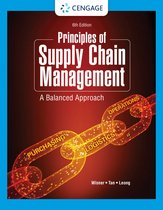
Principles of Supply Chain Management
A Balanced Approach
Joel Wisner, Keah-Choon Tan, G. Leong
6th Edition
,Table of Contents
Chapter 1. Introduction to Supply Chain Management
Chapter 2. Purchasing Management
Chapter 3. Creating and Managing Supplier Relationships
Chapter 4. Ethical and Sustainable Sourcing
Chapter 5. Demand Forecasting
Chapter 6. Resource Planning Systems
Chapter 7. Inventory Management
Chapter 8. Process Management—Lean and Six Sigma in the Supply Chain
Chapter 9. Domestic U.S. and Global Logistics
Chapter 10. Customer Relationship Management
Chapter 11. Global Location Decisions
Chapter 12. Service Response Logistics
Chapter 13. Supply Chain Process Integration
Chapter 14. Performance Measurement along Supply Chains
, Test Bank -Principles of Supply Chain Management A Balanced Approach 6th Edition (Wisner, 2023)
Name: Class: Date:
Chap 01_6e_Wisner
Indicate whether the statement is true or false.
1. Supply chain management activity includes managing the various compensation and benefit programs within an
organization.
a. True
b. False
2. Trade estimates suggest that the bullwhip effect results in excess costs on the order of 50 percent for each firm
in a supply chain.
a. True
b. False
3. According to the textbook, the keys to successful supply chain management include trust, cooperation,
collaboration and honest, accurate communications between supply chain partners.
a. True
b. False
4. According to the textbook, in the 1950s and 1960s, mass production techniques focused on creating supplier
partnerships, improving process design and flexibility, and improving product quality.
a. True
b. False
5. The bullwhip effect causes an amplification of the variation in the demand pattern along the supply chain.
a. True
b. False
6. Circular economy refers to an economic system aimed at eliminating waste and the continual use of resources.
a. True
b. False
7. According to the textbook, supply chains include raw material suppliers, intermediate component manufacturers,
end-product manufacturers, wholesale distributors, retailers and end-product consumers.
a. True
b. False
8. The foundation elements of supply chain management are Supply, Operations, Customer Service, and Logistics.
a. True
b. False
9. Highly valued customers with large purchasing budgets who achieve moderate supply chain management
success have been known to lower purchasing and inventory carrying costs and create better quality products
with higher levels of customer service.
a. True
b. False
, Test Bank -Principles of Supply Chain Management A Balanced Approach 6th Edition (Wisner, 2023)
Name: Class: Date:
Chap 01_6e_Wisner
10. The assembly or production of finished products, producing the right amount of product, and ensuring that
finished products meet specific quality, cost, and customer service requirements can all be considered elements
of operations.
a. True
b. False
11. Supply chain management is concerned about how suppliers’ products are designed, produced, and transported.
a. True
b. False
12. Supply Chain Management activities work with computer-aided design programs to ensure continued supply of a
scarce item.
a. True
b. False
13. Many large firms are moving to in-house vertically integrated structures where they have more control over each
business unit.
a. True
b. False
14. One definition of supply chain management is "Coordination and collaboration with channel partners, which can
be suppliers, intermediaries, third-party service providers, and customers."
a. True
b. False
15. According to the textbook, environmental and social impacts are considered outside of supply chain management.
a. True
b. False
16. Supply chain analytics can be used along the supply chain to schedule production according to expected supplier
deliveries
a. True
b. False
17. The universally accepted definition of supply chain management is "the management and integration of the
parties involved in producing the end items coveted by consumers."
a. True
b. False
18. According to the textbook, a supply chain's end customers are the only true source of income for all supply chain
organizations.
a. True
b. False
.
Principles of Supply Chain Management
A Balanced Approach
Joel Wisner, Keah-Choon Tan, G. Leong
6th Edition
,Table of Contents
Chapter 1. Introduction to Supply Chain Management
Chapter 2. Purchasing Management
Chapter 3. Creating and Managing Supplier Relationships
Chapter 4. Ethical and Sustainable Sourcing
Chapter 5. Demand Forecasting
Chapter 6. Resource Planning Systems
Chapter 7. Inventory Management
Chapter 8. Process Management—Lean and Six Sigma in the Supply Chain
Chapter 9. Domestic U.S. and Global Logistics
Chapter 10. Customer Relationship Management
Chapter 11. Global Location Decisions
Chapter 12. Service Response Logistics
Chapter 13. Supply Chain Process Integration
Chapter 14. Performance Measurement along Supply Chains
, Test Bank -Principles of Supply Chain Management A Balanced Approach 6th Edition (Wisner, 2023)
Name: Class: Date:
Chap 01_6e_Wisner
Indicate whether the statement is true or false.
1. Supply chain management activity includes managing the various compensation and benefit programs within an
organization.
a. True
b. False
2. Trade estimates suggest that the bullwhip effect results in excess costs on the order of 50 percent for each firm
in a supply chain.
a. True
b. False
3. According to the textbook, the keys to successful supply chain management include trust, cooperation,
collaboration and honest, accurate communications between supply chain partners.
a. True
b. False
4. According to the textbook, in the 1950s and 1960s, mass production techniques focused on creating supplier
partnerships, improving process design and flexibility, and improving product quality.
a. True
b. False
5. The bullwhip effect causes an amplification of the variation in the demand pattern along the supply chain.
a. True
b. False
6. Circular economy refers to an economic system aimed at eliminating waste and the continual use of resources.
a. True
b. False
7. According to the textbook, supply chains include raw material suppliers, intermediate component manufacturers,
end-product manufacturers, wholesale distributors, retailers and end-product consumers.
a. True
b. False
8. The foundation elements of supply chain management are Supply, Operations, Customer Service, and Logistics.
a. True
b. False
9. Highly valued customers with large purchasing budgets who achieve moderate supply chain management
success have been known to lower purchasing and inventory carrying costs and create better quality products
with higher levels of customer service.
a. True
b. False
, Test Bank -Principles of Supply Chain Management A Balanced Approach 6th Edition (Wisner, 2023)
Name: Class: Date:
Chap 01_6e_Wisner
10. The assembly or production of finished products, producing the right amount of product, and ensuring that
finished products meet specific quality, cost, and customer service requirements can all be considered elements
of operations.
a. True
b. False
11. Supply chain management is concerned about how suppliers’ products are designed, produced, and transported.
a. True
b. False
12. Supply Chain Management activities work with computer-aided design programs to ensure continued supply of a
scarce item.
a. True
b. False
13. Many large firms are moving to in-house vertically integrated structures where they have more control over each
business unit.
a. True
b. False
14. One definition of supply chain management is "Coordination and collaboration with channel partners, which can
be suppliers, intermediaries, third-party service providers, and customers."
a. True
b. False
15. According to the textbook, environmental and social impacts are considered outside of supply chain management.
a. True
b. False
16. Supply chain analytics can be used along the supply chain to schedule production according to expected supplier
deliveries
a. True
b. False
17. The universally accepted definition of supply chain management is "the management and integration of the
parties involved in producing the end items coveted by consumers."
a. True
b. False
18. According to the textbook, a supply chain's end customers are the only true source of income for all supply chain
organizations.
a. True
b. False
.