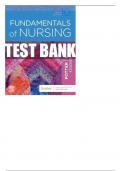
TEST BANK
PHARMACOTHERAPEUTICS FOR ADVANCED PRACTICE NURSE PRESCRIBERS SIXTH EDITION
BY TERI MOSER WOO RN PHD ARNP CPNP-PC CNL FAANP, WENDY L. WRIGHT DNP ANP-BC FNP-BC
FAAN FNAP (2024) ||LATEST EDITION||ALL CHAPTERS ||VERIFIED ANSWERS||COMPLETE GUIDE
6th Edition
,table of contents
unit i. the foundation .........................................................................................4
chapter 1. The role of the nurse practitioner as prescriber ..................................................................... 4
chapter 2. Review of basic principles of pharmacology ........................................................................... 6
chapter 3. Rational drug selection .......................................................................................................... 16
chapter 4. Legal and professional issues in prescribing .......................................................................... 20
chapter 5. Adverse drug reactions .......................................................................................................... 24
chapter 6. An introduction to pharmacogenetics................................................................................... 29
chapter 7. Nutrition and nutraceuticals.................................................................................................. 33
chapter 8. Herbal therapies .................................................................................................................... 43
chapter 9. Cannabis ................................................................................................................................ 48
chapter 10. Pharmacoeconomics ........................................................................................................... 53
unit ii. pharmacotherapeutics with single drugs ............................................ 57
chapter 11. Drugs affecting the autonomic nervous system .................................................................. 57
chapter 12. Drugs affecting the central nervous system ........................................................................ 68
chapter 13. Drugs affecting the cardiovascular and renal systems ........................................................ 80
chapter 14. Drugs affecting the respiratory system ............................................................................... 92
chapter 15. Drugs affecting the hematological system .......................................................................... 98
chapter 16. Drugs affecting the immune system.................................................................................. 104
chapter 17: drugs affecting the immune system: immunomodulators ................................................ 110
chapter 18. Drugs affecting the gastrointestinal system ...................................................................... 126
chapter 19. Drugs affecting the endocrine system: pancreatic hormones and antidiabetic drugs ..... 130
chapter 20. Drugs affecting the endocrine system: pituitary, thyroid, and adrenal drugs .................. 137
chapter 21. Drugs affecting the reproductive system .......................................................................... 151
chapter 22. Drugs affecting the bones and joints ................................................................................. 158
chapter 23. Drugs affecting the integumentary system ....................................................................... 166
chapter 24. Drugs used in treating bacterial diseases .......................................................................... 172
chapter 25. Drugs used to treat viral, fungal, and protozoal infections ............................................... 179
chapter 26. Drugs used to treat inflammatory processes .................................................................... 186
chapter 27. Drugs used in treating eye and ear disorders .................................................................... 192
unit iii. Pharmacotherapeutics with multiple drugs ...................................... 195
chapter 28. Anemia ............................................................................................................................... 195
chapter 29. Anxiety and depression ..................................................................................................... 200
, chapter 30. Attention deficit hyperactivity disorder ............................................................................ 207
chapter 31: asthama and allergies ........................................................................................................ 211
chapter 32.chronic obstructive pulmonary disease ............................................................................. 225
chapter 33. Contraception .................................................................................................................... 230
chapter 34. Covid-19: acute and chronic .............................................................................................. 234
chapter 35. Dermatologic conditions ................................................................................................... 240
chapter 36. Diabetes management ...................................................................................................... 245
chapter 37. Gastroesophageal reflux and peptic ulcer disease ............................................................ 256
chapter 38. Headaches ......................................................................................................................... 260
chapter 39. Heart failure....................................................................................................................... 265
chapter 40. Human immunodeficiency virus disease and acquired immunodeficiency syndrome ..... 271
chapter 41. Menopausal hormone therapy .......................................................................................... 275
chapter 42. Hyperlipidemia .................................................................................................................. 281
chapter 43. Hypertension ..................................................................................................................... 286
chapter 44. Hyperthyroidism and hypothyroidism............................................................................... 292
chapter 45. Obesity ............................................................................................................................... 297
chapter 46. Pain management: acute and chronic pain ....................................................................... 308
chapter 47. Pneumonia......................................................................................................................... 313
chapter 48. Sexually transmitted infections and vaginitis .................................................................... 316
chapter 49. Substance use disorder...................................................................................................... 321
chapter 50. Tuberculosis ....................................................................................................................... 328
chapter 51. Upper respiratory infection, pharyngitis, sinusitis, otitis media, and otitis externa ......... 331
chapter 52. Urinary tract infections ...................................................................................................... 335
unit iv. special drug treatment considerations............................................. 339
chapter 53: women as patients ............................................................................................................ 339
chapter 54. Men as patients ................................................................................................................. 345
chapter 55. Pediatric patients ............................................................................................................... 348
chapter 56. Transgendered clients as patients ..................................................................................... 351
chapter 57. Geriatric patients ............................................................................................................... 356
, Unit i. the foundation
Chapter 1. The role of the nurse practitioner as prescriber
(Answer at the end of each chapter)
Multiple choice
Identify the choice that best completes the statement or answers the question.
1. Nurse practitioner prescriptive authority is regulated by:
1. The national council of state boards of nursing
2. The u.s. Drug enforcement administration
3. The state board of nursing for each state
4. The state board of pharmacy
2. The benefits to the patient of having an advanced practice registered nurse (aprn) prescriber
include:
1. Nurses know more about pharmacology than other prescribers because they take it both in their
basic nursing program and in their aprn program.
2. Nurses care for the patient from a holistic approach and include the patient in decision making
regarding their care.
3. Aprns are less likely to prescribe narcotics and other controlled substances.
4. Aprns are able to prescribe independently in all states, whereas a physician’s assistant needs to
have a physician supervising their practice.
3. Clinical judgment in prescribing includes:
1. Factoring in the cost to the patient of the medication prescribed
2. Always prescribing the newest medication available for the disease process
3. Handing out drug samples to poor patients
4. Prescribing all generic medications to cut costs
4. Criteria for choosing an effective drug for a disorder include:
1. Asking the patient what drug they think would work best for them
2. Consulting nationally recognized guidelines for disease management
PHARMACOTHERAPEUTICS FOR ADVANCED PRACTICE NURSE PRESCRIBERS SIXTH EDITION
BY TERI MOSER WOO RN PHD ARNP CPNP-PC CNL FAANP, WENDY L. WRIGHT DNP ANP-BC FNP-BC
FAAN FNAP (2024) ||LATEST EDITION||ALL CHAPTERS ||VERIFIED ANSWERS||COMPLETE GUIDE
6th Edition
,table of contents
unit i. the foundation .........................................................................................4
chapter 1. The role of the nurse practitioner as prescriber ..................................................................... 4
chapter 2. Review of basic principles of pharmacology ........................................................................... 6
chapter 3. Rational drug selection .......................................................................................................... 16
chapter 4. Legal and professional issues in prescribing .......................................................................... 20
chapter 5. Adverse drug reactions .......................................................................................................... 24
chapter 6. An introduction to pharmacogenetics................................................................................... 29
chapter 7. Nutrition and nutraceuticals.................................................................................................. 33
chapter 8. Herbal therapies .................................................................................................................... 43
chapter 9. Cannabis ................................................................................................................................ 48
chapter 10. Pharmacoeconomics ........................................................................................................... 53
unit ii. pharmacotherapeutics with single drugs ............................................ 57
chapter 11. Drugs affecting the autonomic nervous system .................................................................. 57
chapter 12. Drugs affecting the central nervous system ........................................................................ 68
chapter 13. Drugs affecting the cardiovascular and renal systems ........................................................ 80
chapter 14. Drugs affecting the respiratory system ............................................................................... 92
chapter 15. Drugs affecting the hematological system .......................................................................... 98
chapter 16. Drugs affecting the immune system.................................................................................. 104
chapter 17: drugs affecting the immune system: immunomodulators ................................................ 110
chapter 18. Drugs affecting the gastrointestinal system ...................................................................... 126
chapter 19. Drugs affecting the endocrine system: pancreatic hormones and antidiabetic drugs ..... 130
chapter 20. Drugs affecting the endocrine system: pituitary, thyroid, and adrenal drugs .................. 137
chapter 21. Drugs affecting the reproductive system .......................................................................... 151
chapter 22. Drugs affecting the bones and joints ................................................................................. 158
chapter 23. Drugs affecting the integumentary system ....................................................................... 166
chapter 24. Drugs used in treating bacterial diseases .......................................................................... 172
chapter 25. Drugs used to treat viral, fungal, and protozoal infections ............................................... 179
chapter 26. Drugs used to treat inflammatory processes .................................................................... 186
chapter 27. Drugs used in treating eye and ear disorders .................................................................... 192
unit iii. Pharmacotherapeutics with multiple drugs ...................................... 195
chapter 28. Anemia ............................................................................................................................... 195
chapter 29. Anxiety and depression ..................................................................................................... 200
, chapter 30. Attention deficit hyperactivity disorder ............................................................................ 207
chapter 31: asthama and allergies ........................................................................................................ 211
chapter 32.chronic obstructive pulmonary disease ............................................................................. 225
chapter 33. Contraception .................................................................................................................... 230
chapter 34. Covid-19: acute and chronic .............................................................................................. 234
chapter 35. Dermatologic conditions ................................................................................................... 240
chapter 36. Diabetes management ...................................................................................................... 245
chapter 37. Gastroesophageal reflux and peptic ulcer disease ............................................................ 256
chapter 38. Headaches ......................................................................................................................... 260
chapter 39. Heart failure....................................................................................................................... 265
chapter 40. Human immunodeficiency virus disease and acquired immunodeficiency syndrome ..... 271
chapter 41. Menopausal hormone therapy .......................................................................................... 275
chapter 42. Hyperlipidemia .................................................................................................................. 281
chapter 43. Hypertension ..................................................................................................................... 286
chapter 44. Hyperthyroidism and hypothyroidism............................................................................... 292
chapter 45. Obesity ............................................................................................................................... 297
chapter 46. Pain management: acute and chronic pain ....................................................................... 308
chapter 47. Pneumonia......................................................................................................................... 313
chapter 48. Sexually transmitted infections and vaginitis .................................................................... 316
chapter 49. Substance use disorder...................................................................................................... 321
chapter 50. Tuberculosis ....................................................................................................................... 328
chapter 51. Upper respiratory infection, pharyngitis, sinusitis, otitis media, and otitis externa ......... 331
chapter 52. Urinary tract infections ...................................................................................................... 335
unit iv. special drug treatment considerations............................................. 339
chapter 53: women as patients ............................................................................................................ 339
chapter 54. Men as patients ................................................................................................................. 345
chapter 55. Pediatric patients ............................................................................................................... 348
chapter 56. Transgendered clients as patients ..................................................................................... 351
chapter 57. Geriatric patients ............................................................................................................... 356
, Unit i. the foundation
Chapter 1. The role of the nurse practitioner as prescriber
(Answer at the end of each chapter)
Multiple choice
Identify the choice that best completes the statement or answers the question.
1. Nurse practitioner prescriptive authority is regulated by:
1. The national council of state boards of nursing
2. The u.s. Drug enforcement administration
3. The state board of nursing for each state
4. The state board of pharmacy
2. The benefits to the patient of having an advanced practice registered nurse (aprn) prescriber
include:
1. Nurses know more about pharmacology than other prescribers because they take it both in their
basic nursing program and in their aprn program.
2. Nurses care for the patient from a holistic approach and include the patient in decision making
regarding their care.
3. Aprns are less likely to prescribe narcotics and other controlled substances.
4. Aprns are able to prescribe independently in all states, whereas a physician’s assistant needs to
have a physician supervising their practice.
3. Clinical judgment in prescribing includes:
1. Factoring in the cost to the patient of the medication prescribed
2. Always prescribing the newest medication available for the disease process
3. Handing out drug samples to poor patients
4. Prescribing all generic medications to cut costs
4. Criteria for choosing an effective drug for a disorder include:
1. Asking the patient what drug they think would work best for them
2. Consulting nationally recognized guidelines for disease management