NR 443 CHAPTER 21: IMMOBILITY | GRADED A
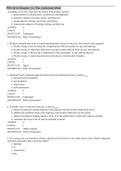
. What negative effects does immobilization have on the musculoskeletal system? a. Demineralization of bone b. Increase in aerobic capacity c. Increased muscle oxidation d. Lengthening of muscle fibers . What should the nurse be aware is the best prevention of immobility-related disorders? a. Dietary supplements b. Fluids c. Adequate fiber d. Exercise A nurse’s assessment reveals an area of erythema on an immobilized patient’s sacrum. What is the initial nursing action? a. Apply a wet-to-dry dressing. b. Massage the reddened area. c. Reposition the patient. d. Rub the area with alcohol. The care plan of an older adult patient states that the patient should be monitored while in the bathroom because of a history of vasovagal reflex. What should the nurse assess with this patient? a. Extremely elevated blood pressure after ambulation b. Nausea and vomiting after a meal c. Lightheadedness and fainting during defecation d. Inability to urinate What is the most effective intervention to prevent constipation in a patient who recently sustained a fractured femur and is currently in traction? a. Get the patient up and to the bathroom at least twice each day. b. Administer enemas each day until the patient has a bowel movement. c. Administer pain medication to prevent pain during defecation. d. Encourage a high-fiber diet and increased amounts of fluids.
Written for
- Institution
-
Chamberlain College Of Nursing
- Module
-
NR 443
Document information
- Uploaded on
- February 7, 2021
- Number of pages
- 10
- Written in
- 2020/2021
- Type
- Exam (elaborations)
- Contains
- Questions & answers
Subjects
-
what negative effects does immobilization have on the musculoskeletal system a demineralization of bone b increase in aerobic capacity c increased muscle oxidation d lengthening of muscle fiber

Also available in package deal