TEST BANK
V4
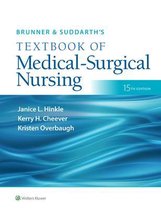
Brunner & Suddarth's Textbook of Medical-Surgical Nursing
V4 V4 V4 V4 V4 V4
Janice L Hinkle, Kerry H. Cheever, Kristen Overbaugh
V4 V4 V4 V4 V4 V4 V4
15th Edition
V4
,Table of Contents
V4 V4
ChapterV4 01 Professional Nursing Practice
V4 V4 V4 2
Chapter 02
V4 V4Medical-Surgical Nursing V4 17
Chapter 03
V4 Health Education and Health Promotion
V4 V4 V4 V4 V4 30
Chapter 04
V4 Adult Health and Physical, Nutritional, and Cultural Assessment
V4 V4 V4 V4 V4 V4 V4 V4 45
ChapterV4 05 Stress and Inflammatory Responses
V4 V4 V4 V4 60
ChapterV4 06 Genetics and Genomics in Nursing
V4 V4 V4 V4 V4 76
Chapter 07
V4 Disability and Chronic Illness
V4 V4 V4 V4 92
ChapterV4 08 Management of the Older Adult Patient
V4 V4 V4 V4 V4 V4 107
Chapter 09
V4 Pain Management
V4 V4 121
Chapter 10
V4 Fluid and Electrolytes
V4 V4 V4 137
ChapterV4 11 V4 Shock, Sepsis, and Multiple Organ Dysfunction Syndrome
V4 V4 V4 V4 V4 V4 153
Chapter 12
V4 V4 Management of Patients with Oncologic Disorders
V4 V4 V4 V4 V4 169
Chapter 13
V4 V4 Palliative and End-of-Life Care
V4 V4 V4 183
ChapterV4 14 V4 Preoperative Nursing Management V4 V4 199
Chapter 15
V4 V4 Intraoperative Nursing Management V4 V4 214
Chapter 16
V4 V4 Postoperative Nursing Management V4 V4 228
Chapter 17
V4 V4 Assessment of Respiratory Function
V4 V4 V4 243
ChapterV4 18 V4 Management of Patients with Upper Respiratory Tract Disorders
V4 V4 V4 V4 V4 V4 V4 258
ChapterV4 19 V4 Management of Patients with Chest and Lower Respiratory Tract Disorders
V4 V4 V4 V4 V4 V4 V4 V4 V4 272
Chapter 20 Management of Patients with Chronic Pulmonary Disease
V4 V4 V4 V4 V4 V4 V4 V4 288
Chapter 21 Assessment of Cardiovascular Function
V4 V4 V4 V4 V4 304
Chapter 22 Management of Patients with Arrhythmias and Conduction Problems
V4 V4 V4 V4 V4 V4 V4 V4 V4 318
Chapter 23 Management of Patients with Coronary Vascular Disorders
V4 V4 V4 V4 V4 V4 V4 V4 331
Chapter 24 Management of Patients with Structural, Infectious, and Inflammatory Cardiac
V4 V4 V4 V4 V4 V4 V4 V4 V4 V4
Disorders 347
Chapter 25 Management of Patients with Complications from Heart Disease
V4 V4 V4 V4 V4 V4 V4 V4 V4 361
Chapter 26 Assessment and Management of Patients with Vascular Disorders and Problems
V4 V4 V4 V4 V4 V4 V4 V4 V4 V4 V4
of Peripheral Circulation
V4 V4 375
Chapter 27
V4 V4Assessment and Management of Patients with Hypertension
V4 V4 V4 V4 V4 V4 391
Chapter 28
V4 V4Assessment of Hematologic Function and Treatment Modalities
V4 V4 V4 V4 V4 V4 405
Chapter 29
V4 V4Management of Patients with Nonmalignant Hematologic Disorders
V4 V4 V4 V4 V4 V4 420
Chapter 30
V4 V4Management of Patients with Hematologic Neoplasms
V4 V4 V4 V4 V4 433
ChapterV4 31 Assessment of Immune Function
V4 V4 V4 V4 448
ChapterV4 32 Management of Patients with Immune Deficiency Disorders
V4 V4 V4 V4 V4 V4 V4 462
Chapter 33
V4 V4Assessment and Management of Patients with Allergic Disorders
V4 V4 V4 V4 V4 V4 V4 477
Chapter 34
V4 V4Assessment and Management of Patients with Inflammatory Rheumatic Disorders
V4 V4 V4 V4 V4 V4 V4 V4 492
Chapter 35 Assessment of Musculoskeletal Function
V4 V4 V4 V4 V4 506
Chapter 36 Management of Patients with Musculoskeletal Disorders
V4 V4 V4 V4 V4 V4 V4 520
,Chapter 37 Management of Patients with Musculoskeletal Trauma
V4 V4 V4 V4 V4 V4 V4 535
Chapter 38 Assessment of Digestive and Gastrointestinal Function
V4 V4 V4 V4 V4 V4 V4 550
Chapter 39 Management of Patients with Oral and Esophageal Disorders
V4 V4 V4 V4 V4 V4 V4 V4 V4 564
Chapter 40
V4 V4 Management of Patients with Gastric and Duodenal Disorders
V4 V4 V4 V4 V4 V4 V4 578
Chapter 41
V4 V4 Management of Patients with Intestinal and Rectal Disorders
V4 V4 V4 V4 V4 V4 V4 591
Chapter 42
V4 V4 Assessment and Management of Patients with Obesity
V4 V4 V4 V4 V4 V4 606
Chapter 43
V4 V4 Assessment and Management of Patients with Hepatic Disorders
V4 V4 V4 V4 V4 V4 V4 621
ChapterV4 44 V4 Management of Patients with Biliary Disorders
V4 V4 V4 V4 V4 635
Chapter 45
V4 V4 Assessment and Management of Patients with Endocrine Disorders
V4 V4 V4 V4 V4 V4 V4 650
Chapter 46
V4 V4 Management of Patients with Diabetes
V4 V4 V4 V4 665
Chapter 47
V4 V4 Assessment of Kidney and Urinary Function
V4 V4 V4 V4 V4 680
ChapterV4 48 V4 Management of Patients with Kidney Disorders
V4 V4 V4 V4 V4 695
Chapter 49 Management of Patients with Urinary Disorders
V4 V4 V4 V4 V4 V4 V4 710
Chapter 50 Assessment and Management of Patients with Female Physiologic Processes
V4 V4 V4 V4 V4 V4 V4 V4 V4 V4 725
Chapter 51
V4 V4Management of Patients with Female Reproductive Disorders
V4 V4 V4 V4 V4 V4 741
Chapter 52
V4 V4Assessment and Management of Patients with Breast Disorders
V4 V4 V4 V4 V4 V4 V4 757
Chapter 53
V4 V4Assessment and Management of Patients with Male Reproductive Disorders
V4 V4 V4 V4 V4 V4 V4 V4 771
Chapter 54
V4 V4Assessment and Management of Patients Who Are LGBTQ
V4 V4 V4 V4 V4 V4 V4 786
Chapter 55
V4 Assessment of Integumentary Function
V4 V4 V4 V4 794
Chapter 56
V4 V4Management of Patients with Dermatologic Disorders
V4 V4 V4 V4 V4 808
ChapterV4 57 Management of Patients with Burn Injury
V4 V4 V4 V4 V4 V4 822
ChapterV4 58 V4 Assessment and Management of Patients with Eye and Vision Disorders
V4 V4 V4 V4 V4 V4 V4 V4 V4 837
Chapter 59
V4 V4 Assessment and Management of Patients with Hearing and Balance Disorders
V4 V4 V4 V4 V4 V4 V4 V4 V4 851
Chapter 60
V4 V4 Assessment of Neurologic Function
V4 V4 V4 866
Chapter 61
V4 V4 Management of Patients With Neurologic Dysfunction
V4 V4 V4 V4 V4 881
ChapterV4 62 V4 Management of Patients With Cerebrovascular Disorders
V4 V4 V4 V4 V4 895
Chapter 63
V4 V4 Management of Patients with Neurologic Trauma
V4 V4 V4 V4 V4 911
Chapter 64
V4 V4 Management of Patients with Neurologic Infections, Autoimmune Disorders, and
V4 V4 V4 V4 V4 V4 V4 V4
Neuropathies 926
Chapter 65 Management of Patients with Oncologic or Degenerative Neurologic Disorders
V4 V4 V4 V4 V4 V4 V4 V4 V4 V4 940
Chapter 66 Management of Patients with Infectious Diseases
V4 V4 V4 V4 V4 V4 V4 955
Chapter 67 Emergency Nursing
V4 V4 V4 968
Chapter 68 Disaster Nursing
V4 V4 V4 977
, TestV4BankV4-V4BrunnerV4&V4Suddarth'sV4TextbookV4ofV4Medical-
Surgical Nursing, 15e (Hinkle, 2022)
Chapter 1: Professional Nursing Practice
V4 V4 V4 V4
Hinkle: Brunner & Suddarth's Textbook of Medical-Surgical Nursing, 15th Edition
V4 V4 V4 V4 V4 V4 V4 V4 V4
MULTIPLE CHOICE V4
1. A nurse has been offered a position on an obstetric unit and has learned that the unit offers the
V4 V4 V4 V4 V4 V4 V4 V4 V4 V4 V4 V4 V4 V4 V4 V4 V4 V4
rapeutic abortions, a procedure that contradicts the nurse's personal beliefs. What is the nurse's
V4 V4 V4 V4 V4 V4 V4 V4 V4 V4 V4 V4 V4 V4
ethical obligation to these clients?
V4 V4 V4 V4
A. The nurse should adhere to professional standards of practice and offer service to
V4 V4 V4 V4 V4 V4 V4 V4 V4 V4 V4 V4 V
these clients.
4 V4
B. The nurse should make the choice to decline this position and pursue a different n
V4 V4 V4 V4 V4 V4 V4 V4 V4 V4 V4 V4 V4 V4
ursing role. V4
C. The nurse should decline to care for the client’s considering abortion.
V4 V4 V4 V4 V4 V4 V4 V4 V4 V4
D. The nurse should express alternatives to women considering terminating their pregnancy.
V4 V4 V4 V4 V4 V4 V4 V4 V4 V4
ANS: B V 4
Rationale: To avoid facing the ethical dilemma of providing care that contradicts the nurse’s pe
V4 V4 V4 V4 V4 V4 V4 V4 V4 V4 V4 V4 V4 V4
rsonal beliefs, the nurse should consider working in an area of nursing that would not pose this
V4 V4 V4 V4 V4 V4 V4 V4 V4 V4 V4 V4 V4 V4 V4 V4 V4
dilemma. The nurse should not provide care to the client because it is a conflict of personal val
V4 V4 V4 V4 V4 V4 V4 V4 V4 V4 V4 V4 V4 V4 V4 V4 V4
ues. The nurse should not deny care to these clients as this would be a breach in the Code of
V4 V4 V4 V4 V4 V4 V4 V4 V4 V4 V4 V4 V4 V4 V4 V4 V4 V4 V4 V4
Ethics for nurses. If the client is not requesting information for alternatives to abortions, then th
V4 V4 V4 V4 V4 V4 V4 V4 V4 V4 V4 V4 V4 V4 V4
e nurse should not be providing this information.
V4 V4 V4 V4 V4 V4 V4
PTS: 1 REF: p. 27
V 4 V 4 V4V4 V4
NAT: Client Needs: Safe, Effective Care Environment: Management of Care
V 4 V4 V4 V4 V4 V4 V4 V4 V4
TOP: Chapter 1: Professional Nursing Practice
V 4 V4 V4 V4 V4
KEY: Integrated Process: Caring BLM: Cognitive V 4 V4 V4 V4 V 4 V4
Level: Apply V4 NOT: Multiple Choice V 4 V4
2. An 80-year-old client is admitted with a diagnosis of community-
V4 V4 V4 V4 V4 V4 V4 V4 V4
acquired pneumonia. During admission the client states, "I have a living will." What implication
V4 V4 V4 V4 V4 V4 V4 V4 V4 V4 V4 V4 V4
of this should the nurse recognize?
V4 V4 V4 V4 V4 V4
A. This document is always honored, regardless of circumstances.
V4 V4 V4 V4 V4 V4 V4
B. This document specifies the client's wishes before hospitalization.
V4 V4 V4 V4 V4 V4 V4
C. This document is binding for the duration of the client's life.
V4 V4 V4 V4 V4 V4 V4 V4 V4 V4
D. This document has been drawn up by the client's family to determine DNR status.
V4 V4 V4 V4 V4 V4 V4 V4 V4 V4 V4 V4 V4
ANS: B V 4
Rationale: A living will is one type of advance directive. In most situations, living wills are limi
V4 V4 V4 V4 V4 V4 V4 V4 V4 V4 V4 V4 V4 V4 V4 V4
ted to situations in which the client's medical condition is deemed terminal. The other answers a
V4 V4 V4 V4 V4 V4 V4 V4 V4 V4 V4 V4 V4 V4 V4
re incorrect because living wills are not always honored in every circumstance, they are not bin
V4 V4 V4 V4 V4 V4 V4 V4 V4 V4 V4 V4 V4 V4 V4
ding for the duration of the client's life, and they are not drawn up by the client's family.
V4 V4 V4 V4 V4 V4 V4 V4 V4 V4 V4 V4 V4 V4 V4 V4 V4
PTS: 1 REF: p. 29
V 4 V 4 V4V4 V4
NAT: Client Needs: Safe, Effective Care Environment: Management of C
V 4 V4 V4 V4 V4 V4 V4 V4 V4
are TOP: Chapter 1: Professional Nursing Practice
V4 V 4 V4 V4 V4 V4
KEY: Integrated Process: Communication and Documentation
V 4 V4 V4 V4 V4
BLM: Cognitive Level: Analyz V4 V4 V4
e NOT: Multiple Choice
V4 V 4 V4
3. A nurse has been providing ethical care for many years and is aware of the need to maintain th
V4 V4 V4 V4 V4 V4 V4 V4 V4 V4 V4 V4 V4 V4 V4 V4 V4 V4
e ethical principle of nonmaleficence. Which of the following actions would be considered a vi
V4 V4 V4 V4 V4 V4 V4 V4 V4 V4 V4 V4 V4 V4
olation of this principle?
V4 V4 V4
A. Discussing a DNR order with a terminally ill clientV4 V4 V4 V4 V4 V4 V4 V4
B. Assisting a semi-independent client with ADLsV4 V4 V4 V4 V4
C. Refusing to administer pain medication as prescribed
V4 V4 V4 V4 V4 V4
1 | P a g e
V4 V4 V4 V4 V4
V4
Brunner & Suddarth's Textbook of Medical-Surgical Nursing
V4 V4 V4 V4 V4 V4
Janice L Hinkle, Kerry H. Cheever, Kristen Overbaugh
V4 V4 V4 V4 V4 V4 V4
15th Edition
V4
,Table of Contents
V4 V4
ChapterV4 01 Professional Nursing Practice
V4 V4 V4 2
Chapter 02
V4 V4Medical-Surgical Nursing V4 17
Chapter 03
V4 Health Education and Health Promotion
V4 V4 V4 V4 V4 30
Chapter 04
V4 Adult Health and Physical, Nutritional, and Cultural Assessment
V4 V4 V4 V4 V4 V4 V4 V4 45
ChapterV4 05 Stress and Inflammatory Responses
V4 V4 V4 V4 60
ChapterV4 06 Genetics and Genomics in Nursing
V4 V4 V4 V4 V4 76
Chapter 07
V4 Disability and Chronic Illness
V4 V4 V4 V4 92
ChapterV4 08 Management of the Older Adult Patient
V4 V4 V4 V4 V4 V4 107
Chapter 09
V4 Pain Management
V4 V4 121
Chapter 10
V4 Fluid and Electrolytes
V4 V4 V4 137
ChapterV4 11 V4 Shock, Sepsis, and Multiple Organ Dysfunction Syndrome
V4 V4 V4 V4 V4 V4 153
Chapter 12
V4 V4 Management of Patients with Oncologic Disorders
V4 V4 V4 V4 V4 169
Chapter 13
V4 V4 Palliative and End-of-Life Care
V4 V4 V4 183
ChapterV4 14 V4 Preoperative Nursing Management V4 V4 199
Chapter 15
V4 V4 Intraoperative Nursing Management V4 V4 214
Chapter 16
V4 V4 Postoperative Nursing Management V4 V4 228
Chapter 17
V4 V4 Assessment of Respiratory Function
V4 V4 V4 243
ChapterV4 18 V4 Management of Patients with Upper Respiratory Tract Disorders
V4 V4 V4 V4 V4 V4 V4 258
ChapterV4 19 V4 Management of Patients with Chest and Lower Respiratory Tract Disorders
V4 V4 V4 V4 V4 V4 V4 V4 V4 272
Chapter 20 Management of Patients with Chronic Pulmonary Disease
V4 V4 V4 V4 V4 V4 V4 V4 288
Chapter 21 Assessment of Cardiovascular Function
V4 V4 V4 V4 V4 304
Chapter 22 Management of Patients with Arrhythmias and Conduction Problems
V4 V4 V4 V4 V4 V4 V4 V4 V4 318
Chapter 23 Management of Patients with Coronary Vascular Disorders
V4 V4 V4 V4 V4 V4 V4 V4 331
Chapter 24 Management of Patients with Structural, Infectious, and Inflammatory Cardiac
V4 V4 V4 V4 V4 V4 V4 V4 V4 V4
Disorders 347
Chapter 25 Management of Patients with Complications from Heart Disease
V4 V4 V4 V4 V4 V4 V4 V4 V4 361
Chapter 26 Assessment and Management of Patients with Vascular Disorders and Problems
V4 V4 V4 V4 V4 V4 V4 V4 V4 V4 V4
of Peripheral Circulation
V4 V4 375
Chapter 27
V4 V4Assessment and Management of Patients with Hypertension
V4 V4 V4 V4 V4 V4 391
Chapter 28
V4 V4Assessment of Hematologic Function and Treatment Modalities
V4 V4 V4 V4 V4 V4 405
Chapter 29
V4 V4Management of Patients with Nonmalignant Hematologic Disorders
V4 V4 V4 V4 V4 V4 420
Chapter 30
V4 V4Management of Patients with Hematologic Neoplasms
V4 V4 V4 V4 V4 433
ChapterV4 31 Assessment of Immune Function
V4 V4 V4 V4 448
ChapterV4 32 Management of Patients with Immune Deficiency Disorders
V4 V4 V4 V4 V4 V4 V4 462
Chapter 33
V4 V4Assessment and Management of Patients with Allergic Disorders
V4 V4 V4 V4 V4 V4 V4 477
Chapter 34
V4 V4Assessment and Management of Patients with Inflammatory Rheumatic Disorders
V4 V4 V4 V4 V4 V4 V4 V4 492
Chapter 35 Assessment of Musculoskeletal Function
V4 V4 V4 V4 V4 506
Chapter 36 Management of Patients with Musculoskeletal Disorders
V4 V4 V4 V4 V4 V4 V4 520
,Chapter 37 Management of Patients with Musculoskeletal Trauma
V4 V4 V4 V4 V4 V4 V4 535
Chapter 38 Assessment of Digestive and Gastrointestinal Function
V4 V4 V4 V4 V4 V4 V4 550
Chapter 39 Management of Patients with Oral and Esophageal Disorders
V4 V4 V4 V4 V4 V4 V4 V4 V4 564
Chapter 40
V4 V4 Management of Patients with Gastric and Duodenal Disorders
V4 V4 V4 V4 V4 V4 V4 578
Chapter 41
V4 V4 Management of Patients with Intestinal and Rectal Disorders
V4 V4 V4 V4 V4 V4 V4 591
Chapter 42
V4 V4 Assessment and Management of Patients with Obesity
V4 V4 V4 V4 V4 V4 606
Chapter 43
V4 V4 Assessment and Management of Patients with Hepatic Disorders
V4 V4 V4 V4 V4 V4 V4 621
ChapterV4 44 V4 Management of Patients with Biliary Disorders
V4 V4 V4 V4 V4 635
Chapter 45
V4 V4 Assessment and Management of Patients with Endocrine Disorders
V4 V4 V4 V4 V4 V4 V4 650
Chapter 46
V4 V4 Management of Patients with Diabetes
V4 V4 V4 V4 665
Chapter 47
V4 V4 Assessment of Kidney and Urinary Function
V4 V4 V4 V4 V4 680
ChapterV4 48 V4 Management of Patients with Kidney Disorders
V4 V4 V4 V4 V4 695
Chapter 49 Management of Patients with Urinary Disorders
V4 V4 V4 V4 V4 V4 V4 710
Chapter 50 Assessment and Management of Patients with Female Physiologic Processes
V4 V4 V4 V4 V4 V4 V4 V4 V4 V4 725
Chapter 51
V4 V4Management of Patients with Female Reproductive Disorders
V4 V4 V4 V4 V4 V4 741
Chapter 52
V4 V4Assessment and Management of Patients with Breast Disorders
V4 V4 V4 V4 V4 V4 V4 757
Chapter 53
V4 V4Assessment and Management of Patients with Male Reproductive Disorders
V4 V4 V4 V4 V4 V4 V4 V4 771
Chapter 54
V4 V4Assessment and Management of Patients Who Are LGBTQ
V4 V4 V4 V4 V4 V4 V4 786
Chapter 55
V4 Assessment of Integumentary Function
V4 V4 V4 V4 794
Chapter 56
V4 V4Management of Patients with Dermatologic Disorders
V4 V4 V4 V4 V4 808
ChapterV4 57 Management of Patients with Burn Injury
V4 V4 V4 V4 V4 V4 822
ChapterV4 58 V4 Assessment and Management of Patients with Eye and Vision Disorders
V4 V4 V4 V4 V4 V4 V4 V4 V4 837
Chapter 59
V4 V4 Assessment and Management of Patients with Hearing and Balance Disorders
V4 V4 V4 V4 V4 V4 V4 V4 V4 851
Chapter 60
V4 V4 Assessment of Neurologic Function
V4 V4 V4 866
Chapter 61
V4 V4 Management of Patients With Neurologic Dysfunction
V4 V4 V4 V4 V4 881
ChapterV4 62 V4 Management of Patients With Cerebrovascular Disorders
V4 V4 V4 V4 V4 895
Chapter 63
V4 V4 Management of Patients with Neurologic Trauma
V4 V4 V4 V4 V4 911
Chapter 64
V4 V4 Management of Patients with Neurologic Infections, Autoimmune Disorders, and
V4 V4 V4 V4 V4 V4 V4 V4
Neuropathies 926
Chapter 65 Management of Patients with Oncologic or Degenerative Neurologic Disorders
V4 V4 V4 V4 V4 V4 V4 V4 V4 V4 940
Chapter 66 Management of Patients with Infectious Diseases
V4 V4 V4 V4 V4 V4 V4 955
Chapter 67 Emergency Nursing
V4 V4 V4 968
Chapter 68 Disaster Nursing
V4 V4 V4 977
, TestV4BankV4-V4BrunnerV4&V4Suddarth'sV4TextbookV4ofV4Medical-
Surgical Nursing, 15e (Hinkle, 2022)
Chapter 1: Professional Nursing Practice
V4 V4 V4 V4
Hinkle: Brunner & Suddarth's Textbook of Medical-Surgical Nursing, 15th Edition
V4 V4 V4 V4 V4 V4 V4 V4 V4
MULTIPLE CHOICE V4
1. A nurse has been offered a position on an obstetric unit and has learned that the unit offers the
V4 V4 V4 V4 V4 V4 V4 V4 V4 V4 V4 V4 V4 V4 V4 V4 V4 V4
rapeutic abortions, a procedure that contradicts the nurse's personal beliefs. What is the nurse's
V4 V4 V4 V4 V4 V4 V4 V4 V4 V4 V4 V4 V4 V4
ethical obligation to these clients?
V4 V4 V4 V4
A. The nurse should adhere to professional standards of practice and offer service to
V4 V4 V4 V4 V4 V4 V4 V4 V4 V4 V4 V4 V
these clients.
4 V4
B. The nurse should make the choice to decline this position and pursue a different n
V4 V4 V4 V4 V4 V4 V4 V4 V4 V4 V4 V4 V4 V4
ursing role. V4
C. The nurse should decline to care for the client’s considering abortion.
V4 V4 V4 V4 V4 V4 V4 V4 V4 V4
D. The nurse should express alternatives to women considering terminating their pregnancy.
V4 V4 V4 V4 V4 V4 V4 V4 V4 V4
ANS: B V 4
Rationale: To avoid facing the ethical dilemma of providing care that contradicts the nurse’s pe
V4 V4 V4 V4 V4 V4 V4 V4 V4 V4 V4 V4 V4 V4
rsonal beliefs, the nurse should consider working in an area of nursing that would not pose this
V4 V4 V4 V4 V4 V4 V4 V4 V4 V4 V4 V4 V4 V4 V4 V4 V4
dilemma. The nurse should not provide care to the client because it is a conflict of personal val
V4 V4 V4 V4 V4 V4 V4 V4 V4 V4 V4 V4 V4 V4 V4 V4 V4
ues. The nurse should not deny care to these clients as this would be a breach in the Code of
V4 V4 V4 V4 V4 V4 V4 V4 V4 V4 V4 V4 V4 V4 V4 V4 V4 V4 V4 V4
Ethics for nurses. If the client is not requesting information for alternatives to abortions, then th
V4 V4 V4 V4 V4 V4 V4 V4 V4 V4 V4 V4 V4 V4 V4
e nurse should not be providing this information.
V4 V4 V4 V4 V4 V4 V4
PTS: 1 REF: p. 27
V 4 V 4 V4V4 V4
NAT: Client Needs: Safe, Effective Care Environment: Management of Care
V 4 V4 V4 V4 V4 V4 V4 V4 V4
TOP: Chapter 1: Professional Nursing Practice
V 4 V4 V4 V4 V4
KEY: Integrated Process: Caring BLM: Cognitive V 4 V4 V4 V4 V 4 V4
Level: Apply V4 NOT: Multiple Choice V 4 V4
2. An 80-year-old client is admitted with a diagnosis of community-
V4 V4 V4 V4 V4 V4 V4 V4 V4
acquired pneumonia. During admission the client states, "I have a living will." What implication
V4 V4 V4 V4 V4 V4 V4 V4 V4 V4 V4 V4 V4
of this should the nurse recognize?
V4 V4 V4 V4 V4 V4
A. This document is always honored, regardless of circumstances.
V4 V4 V4 V4 V4 V4 V4
B. This document specifies the client's wishes before hospitalization.
V4 V4 V4 V4 V4 V4 V4
C. This document is binding for the duration of the client's life.
V4 V4 V4 V4 V4 V4 V4 V4 V4 V4
D. This document has been drawn up by the client's family to determine DNR status.
V4 V4 V4 V4 V4 V4 V4 V4 V4 V4 V4 V4 V4
ANS: B V 4
Rationale: A living will is one type of advance directive. In most situations, living wills are limi
V4 V4 V4 V4 V4 V4 V4 V4 V4 V4 V4 V4 V4 V4 V4 V4
ted to situations in which the client's medical condition is deemed terminal. The other answers a
V4 V4 V4 V4 V4 V4 V4 V4 V4 V4 V4 V4 V4 V4 V4
re incorrect because living wills are not always honored in every circumstance, they are not bin
V4 V4 V4 V4 V4 V4 V4 V4 V4 V4 V4 V4 V4 V4 V4
ding for the duration of the client's life, and they are not drawn up by the client's family.
V4 V4 V4 V4 V4 V4 V4 V4 V4 V4 V4 V4 V4 V4 V4 V4 V4
PTS: 1 REF: p. 29
V 4 V 4 V4V4 V4
NAT: Client Needs: Safe, Effective Care Environment: Management of C
V 4 V4 V4 V4 V4 V4 V4 V4 V4
are TOP: Chapter 1: Professional Nursing Practice
V4 V 4 V4 V4 V4 V4
KEY: Integrated Process: Communication and Documentation
V 4 V4 V4 V4 V4
BLM: Cognitive Level: Analyz V4 V4 V4
e NOT: Multiple Choice
V4 V 4 V4
3. A nurse has been providing ethical care for many years and is aware of the need to maintain th
V4 V4 V4 V4 V4 V4 V4 V4 V4 V4 V4 V4 V4 V4 V4 V4 V4 V4
e ethical principle of nonmaleficence. Which of the following actions would be considered a vi
V4 V4 V4 V4 V4 V4 V4 V4 V4 V4 V4 V4 V4 V4
olation of this principle?
V4 V4 V4
A. Discussing a DNR order with a terminally ill clientV4 V4 V4 V4 V4 V4 V4 V4
B. Assisting a semi-independent client with ADLsV4 V4 V4 V4 V4
C. Refusing to administer pain medication as prescribed
V4 V4 V4 V4 V4 V4
1 | P a g e
V4 V4 V4 V4 V4