Key Definitions
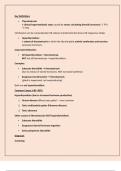
Thyrotoxicosis:
A clinical hypermetabolic state caused by excess circulating thyroid hormones (↑ FT4,
↑ FT3).
Mechanism can be overproduction OR release of preformed hormones OR exogenous intake.
Hyperthyroidism:
A subset of thyrotoxicosis in which the thyroid gland actively synthesizes and secretes
excessive hormones.
Important Distinction
All hyperthyroidism = thyrotoxicosis,
BUT not all thyrotoxicosis = hyperthyroidism.
Examples:
Subacute thyroiditis → thyrotoxicosis
(due to release of stored hormones, NOT increased synthesis)
Exogenous levothyroxine → thyrotoxicosis
(gland is suppressed, not overproducing)
Both are not hyperthyroidism.
Common Causes (≈85–90%)
Hyperthyroidism (due to increased hormone production)
1. Graves disease (diffuse toxic goiter) – most common
2. Toxic multinodular goiter (Plummer disease)
3. Toxic adenoma
Other causes of thyrotoxicosis (NOT hyperthyroidism)
Subacute thyroiditis
Exogenous thyroid hormone ingestion
Early postpartum thyroiditis
Diagnosis
Screening
, TSH is the best initial screening test in healthy ambulatory adults.
o Suppressed TSH → do FT4 ± FT3.
Severity
Determined by FT4 and FT3 levels.
Etiologic Workup
TSI/TRAb antibodies → Graves disease
Nuclear thyroid scintigraphy (radioactive iodine uptake):
o High uptake → increased synthesis (Graves, toxic nodules)
o Low uptake → release/destructive process (subacute thyroiditis, exogenous
hormone)
Treatment Overview
Symptom Relief
Beta-blockers (e.g., propranolol) to reduce palpitations, tremor, anxiety.
Definitive therapy for hyperthyroidism
Antithyroid drugs (methimazole, PTU)
Radioactive iodine ablation
Thyroidectomy
Important exception
Antithyroid drugs do NOT work in subacute thyroiditis,
because the issue is release of preformed hormone, not new synthesis.
Management of thyroiditis = NSAIDs, steroids, beta-blockers.
Thyrotoxicosis:
A clinical hypermetabolic state caused by excess circulating thyroid hormones (↑ FT4,
↑ FT3).
Mechanism can be overproduction OR release of preformed hormones OR exogenous intake.
Hyperthyroidism:
A subset of thyrotoxicosis in which the thyroid gland actively synthesizes and secretes
excessive hormones.
Important Distinction
All hyperthyroidism = thyrotoxicosis,
BUT not all thyrotoxicosis = hyperthyroidism.
Examples:
Subacute thyroiditis → thyrotoxicosis
(due to release of stored hormones, NOT increased synthesis)
Exogenous levothyroxine → thyrotoxicosis
(gland is suppressed, not overproducing)
Both are not hyperthyroidism.
Common Causes (≈85–90%)
Hyperthyroidism (due to increased hormone production)
1. Graves disease (diffuse toxic goiter) – most common
2. Toxic multinodular goiter (Plummer disease)
3. Toxic adenoma
Other causes of thyrotoxicosis (NOT hyperthyroidism)
Subacute thyroiditis
Exogenous thyroid hormone ingestion
Early postpartum thyroiditis
Diagnosis
Screening
, TSH is the best initial screening test in healthy ambulatory adults.
o Suppressed TSH → do FT4 ± FT3.
Severity
Determined by FT4 and FT3 levels.
Etiologic Workup
TSI/TRAb antibodies → Graves disease
Nuclear thyroid scintigraphy (radioactive iodine uptake):
o High uptake → increased synthesis (Graves, toxic nodules)
o Low uptake → release/destructive process (subacute thyroiditis, exogenous
hormone)
Treatment Overview
Symptom Relief
Beta-blockers (e.g., propranolol) to reduce palpitations, tremor, anxiety.
Definitive therapy for hyperthyroidism
Antithyroid drugs (methimazole, PTU)
Radioactive iodine ablation
Thyroidectomy
Important exception
Antithyroid drugs do NOT work in subacute thyroiditis,
because the issue is release of preformed hormone, not new synthesis.
Management of thyroiditis = NSAIDs, steroids, beta-blockers.