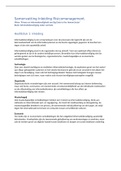
,1.Introduction
1. Introduction toto
2.Demand
2. Demand & & Sup
Sup
3. Elasticity of
3.Elasticity of De
De
4. Consumer Cho
4.Consumer Cho
5. Production &
5.Production &C C
6. Advanced Con
6. Advanced Con
7.7. Budget
Budget Constra
Constra
8. Producer
8. Producer Theo
Theo
9. Cost
9. Cost Analysis:
Analysis:
10.Profit Maximiz
10.Profit Maximiz
, 31. Comprehensiv
31. Comprehensiv
32. Practice Ques
32. Practice Ques
33. Case
33. Case Study
Study 1:
1:
34. Case
34. Case Study
Study 2:
2:
35. Final
35. Final Exam-Sty
Exam-Sty
📚 Suggested Read
Suggested Read
Chapter 1: Introduction to Mi
Definition:-Microeconomics s
consumers, firms, and govern
markets.
Key Concepts:
1. Scarcity → Resources are
,Scarcity → Ch
Scarcity → Ch
Oppo
Oppo
, Chapter 3: Elasticity of Dem
Definition: Measures respons
changes.
Table 3.1: Price Elasticity Exam
Price Change | Quantity Chan
|--------------|----------------|--
| 10% ↑ | 20% ↓ | 2 | Elastic |
| 10% ↑ | 5% ↓ | 0.5 | Inelastic
Demand curve slopes, highlight
,Chapter 4: Consumer Choice
Definition: Consumers allocat
Key Concepts:
1.Total Utility (TU) → Overall
2. Marginal Utility (MU) → Sa
3. Law of Diminishing MU → A
satisfaction
Table 4.1: Utility Example
Cups of TU
1
2
3
Quick Quiz:
,Table 5.1: Coffee Production
Cups/da FC ($) VC ($
10 50
20 50 4
30 50
Cost curves – FC,
,Indifference curves diagra
,
, Chapter 9: Cost Analysis – S
Definition:- Analyzing costs h
production decisions.
Key Concepts:
1. Fixed Costs (FC) – Do not
2. Variable Costs (VC) – Cha
3. Average & Marginal Costs
Table 9.1: Cost Example
Output FC ($) VC ($
10 50 2
20 50 4
30 50 7
1. Introduction toto
2.Demand
2. Demand & & Sup
Sup
3. Elasticity of
3.Elasticity of De
De
4. Consumer Cho
4.Consumer Cho
5. Production &
5.Production &C C
6. Advanced Con
6. Advanced Con
7.7. Budget
Budget Constra
Constra
8. Producer
8. Producer Theo
Theo
9. Cost
9. Cost Analysis:
Analysis:
10.Profit Maximiz
10.Profit Maximiz
, 31. Comprehensiv
31. Comprehensiv
32. Practice Ques
32. Practice Ques
33. Case
33. Case Study
Study 1:
1:
34. Case
34. Case Study
Study 2:
2:
35. Final
35. Final Exam-Sty
Exam-Sty
📚 Suggested Read
Suggested Read
Chapter 1: Introduction to Mi
Definition:-Microeconomics s
consumers, firms, and govern
markets.
Key Concepts:
1. Scarcity → Resources are
,Scarcity → Ch
Scarcity → Ch
Oppo
Oppo
, Chapter 3: Elasticity of Dem
Definition: Measures respons
changes.
Table 3.1: Price Elasticity Exam
Price Change | Quantity Chan
|--------------|----------------|--
| 10% ↑ | 20% ↓ | 2 | Elastic |
| 10% ↑ | 5% ↓ | 0.5 | Inelastic
Demand curve slopes, highlight
,Chapter 4: Consumer Choice
Definition: Consumers allocat
Key Concepts:
1.Total Utility (TU) → Overall
2. Marginal Utility (MU) → Sa
3. Law of Diminishing MU → A
satisfaction
Table 4.1: Utility Example
Cups of TU
1
2
3
Quick Quiz:
,Table 5.1: Coffee Production
Cups/da FC ($) VC ($
10 50
20 50 4
30 50
Cost curves – FC,
,Indifference curves diagra
,
, Chapter 9: Cost Analysis – S
Definition:- Analyzing costs h
production decisions.
Key Concepts:
1. Fixed Costs (FC) – Do not
2. Variable Costs (VC) – Cha
3. Average & Marginal Costs
Table 9.1: Cost Example
Output FC ($) VC ($
10 50 2
20 50 4
30 50 7