Science Medicine Pulmonology
HCB TEST 4
Save
Students also studied
LUNG Respiratory failure - Lesson 2 COPD sez 18:
38 terms 38 terms 96 terms 49 terms
Carlotta999 Preview BananiniGuzini Preview nataliap36 Preview mar
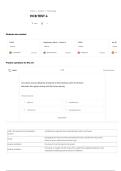
Practice questions for this set
Learn 1 /7 Study with Learn
structures surrounding the entrance to the trachea; point of division
between the upper airway and the lower airway
Choose an answer
1 pharynx 2 nasopharynx
3 oropharynx 4 laryngopharynx
Don't know?
what is the purpose of the respiratory ventilate and oxygenate the remaining body systems and tissues
system?
passageway by which air enters and leaves the body. includes the nose, mouth,
airway
pharynx, larynx, trachea, bronchi and lungs
alveolar ventilation the amount of air that reaches the alveoli
forcing air or oxygen into the lungs when a patient has stopped breathing or has
artificial ventilation
inadequate breathing (positive pressure ventilation)
, apnea no breathing
contraction of smooth muscle that lines the bronchial passages that results in a
bronchoconstriction
decreased internal diameter of the airway and increased resistance to airflow
cellular respiration exchange of oxygen and carbon dioxide between cells and circulating blood
cyanosis blush color of the skin due to insufficient oxygen levels in the blood
process by which molecules move from an area of high concentration to an area of
diffusion
low concentration
dyspnea difficult or labored breathing; shortness of breath
fracture of two or more adjacent ribs in two or more places that allows for free
flail chest
movement of the fractured segment
flowmeter valve that indicated the flow of oxygen reaching the tissues of the body
hypoxia deficiency of oxygen reaching the tissues of the body
intercostal situated or extending between the ribs
flexible breathing tube inserted through the patient's nostril into the pharynx to help
nasopharyngeal airway
maintain an open airway
curved device inserted through the patient's mouth into the pharynx to help maintain
oropharyngeal airway
an open airway
movement of ribs in flail segment that is opposite to the direction of movement of
paradoxical motion
the rest of the chest cavity
airway that is open and clear and will remain open and clear without interference to
patent airway
the passage of air into and out of the body
device connected to an oxygen cylinder to reduce pressure, so it is safe for delivery
pressure regulator
of oxygen to a patient
exchange of oxygen and carbon dioxide between the alveoli and circulating blood
pulmonary respiration
in the pulmonary capillaries
respiratory arrest when breathing stops completely
increased work of breathing; a sensation of shortness of breath (doesn't need
respiratory distress
ventilation)
reduction of breathing to the point where oxygen intake is not sufficient enough to
respiratory failure
support life (needs ventilation)
retractions pulling in the skin and soft tissue between the ribs when breathing
air enters the body through the mouth and nose. posterior and inferior to the mouth
upper airway
and nasal passages, air enters the pharynx
what are the three regions of the pharynx? oropharynx, nasopharynx, laryngopharynx
oropharynx where the oral cavity joins the pharynx
nasopharynx where the nasal passages empty into the pharynx
structures surrounding the entrance to the trachea; point of division between the
laryngopharynx
upper airway and the lower airway
what is the entry point into the larynx glottis opening
called?
large leaf-like structure that protects the glottis to prevent food and foreign objects
epiglottis
from entering the trachea
HCB TEST 4
Save
Students also studied
LUNG Respiratory failure - Lesson 2 COPD sez 18:
38 terms 38 terms 96 terms 49 terms
Carlotta999 Preview BananiniGuzini Preview nataliap36 Preview mar
Practice questions for this set
Learn 1 /7 Study with Learn
structures surrounding the entrance to the trachea; point of division
between the upper airway and the lower airway
Choose an answer
1 pharynx 2 nasopharynx
3 oropharynx 4 laryngopharynx
Don't know?
what is the purpose of the respiratory ventilate and oxygenate the remaining body systems and tissues
system?
passageway by which air enters and leaves the body. includes the nose, mouth,
airway
pharynx, larynx, trachea, bronchi and lungs
alveolar ventilation the amount of air that reaches the alveoli
forcing air or oxygen into the lungs when a patient has stopped breathing or has
artificial ventilation
inadequate breathing (positive pressure ventilation)
, apnea no breathing
contraction of smooth muscle that lines the bronchial passages that results in a
bronchoconstriction
decreased internal diameter of the airway and increased resistance to airflow
cellular respiration exchange of oxygen and carbon dioxide between cells and circulating blood
cyanosis blush color of the skin due to insufficient oxygen levels in the blood
process by which molecules move from an area of high concentration to an area of
diffusion
low concentration
dyspnea difficult or labored breathing; shortness of breath
fracture of two or more adjacent ribs in two or more places that allows for free
flail chest
movement of the fractured segment
flowmeter valve that indicated the flow of oxygen reaching the tissues of the body
hypoxia deficiency of oxygen reaching the tissues of the body
intercostal situated or extending between the ribs
flexible breathing tube inserted through the patient's nostril into the pharynx to help
nasopharyngeal airway
maintain an open airway
curved device inserted through the patient's mouth into the pharynx to help maintain
oropharyngeal airway
an open airway
movement of ribs in flail segment that is opposite to the direction of movement of
paradoxical motion
the rest of the chest cavity
airway that is open and clear and will remain open and clear without interference to
patent airway
the passage of air into and out of the body
device connected to an oxygen cylinder to reduce pressure, so it is safe for delivery
pressure regulator
of oxygen to a patient
exchange of oxygen and carbon dioxide between the alveoli and circulating blood
pulmonary respiration
in the pulmonary capillaries
respiratory arrest when breathing stops completely
increased work of breathing; a sensation of shortness of breath (doesn't need
respiratory distress
ventilation)
reduction of breathing to the point where oxygen intake is not sufficient enough to
respiratory failure
support life (needs ventilation)
retractions pulling in the skin and soft tissue between the ribs when breathing
air enters the body through the mouth and nose. posterior and inferior to the mouth
upper airway
and nasal passages, air enters the pharynx
what are the three regions of the pharynx? oropharynx, nasopharynx, laryngopharynx
oropharynx where the oral cavity joins the pharynx
nasopharynx where the nasal passages empty into the pharynx
structures surrounding the entrance to the trachea; point of division between the
laryngopharynx
upper airway and the lower airway
what is the entry point into the larynx glottis opening
called?
large leaf-like structure that protects the glottis to prevent food and foreign objects
epiglottis
from entering the trachea