CADC-2 Study Test Questions and
Answers16
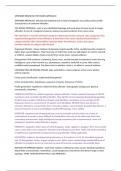
Quantitative Inventory of Alcohol Disorders (QIAD) - ANSWERS-Each item on this 22-item self-
report instrument is rated on a 5-point scale. It takes 10-12min to complete. It assesses the
severity of alcohol problems during the month before administered of the test.
Readiness to Change Questionnaire - ANSWERS-developed to assist clinician in determining the
stage of readiness for change among problem drinkers or people with alcohol use disorders
Recovery Attitude and Treatment Evaluator (RAATE) - ANSWERS-Designed to assist in placing
patients into the appropriate level of care at admission, in making continued stay or transfer
decisions during txn and documenting appropriateness of discharge. The RAATE provides
objective documentation to assist in making appropriate tx placement decisions; it strengthens
individuated care and facilitates more individualized tx planning; it measures tx process; and it
assesses the need for continuing care and discharge readiness.
Self-Administered Alcoholism Screening Test (SAAST) - ANSWERS-This is a 24 item questionnaire
or interview with a yes or no format. There is also an abbreviated 9 item version. Considered
useful for screening medical patients for alcoholism.
Structured Clinical Interview for DSM Disorders (SCID-IV) - ANSWERS-Obtains Axis I and II
diagnosis using the DSM-IV diagnostic criteria for enabling the interviewer to either rule out or
establish a diagnosis of drug abuse or drug dependance and/or alcohol abuse or alcohol
dependance
Substance Abuse Questionnaire (SAQ) - ANSWERS-The self-administered instrument targets
adult probationers. It assesses risks and needs and presents tx recommendations. Requires
computer and is available in English or Spanish.
,Substance Abuse Relapse Assessment (SARA) - ANSWERS-This is a structure interview developed
for use by substance abuse tx professionals to help recovering individuals recognize signs of and
avoid relapse. Used mostly with adult populations. Contains 41 questions administered in paper
and pencil format. Takes about 60 min to complete. The results are interpreted individually by
the assessor.
Substance Abuse Subtle Screening Inventory (SASSI)-Adult or Adolescent Version - ANSWERS-
This is a structured interview developed for use by substance abuse tx professionals to help
recovering individuals recognize signs of and avoid relapse. Used mostly with adult populations.
Has 41 questions and takes 60 min. Results are interpreted individually by the assessor.
Functions of counseling - ANSWERS-Screening, Intake, Orientation, Assessment
Screening - ANSWERS-The process by which a client is determined appropriate and eligible for
admission to a particular problem
Intake - ANSWERS-The administrative and initial procedure for admission to a program
Orientation - ANSWERS-- The general nature and goals of the program
- The rules governing client conduct and infractions that can lead to disciplinary action or
discharge from the program
- In a nonresidential program, the hours during which services are available
- Treatment costs to be borne by the client, if any
- Clients rights
Assessment - ANSWERS-Those procedures by which a counselor/program identifies and
evaluates an individual's strengths, weakness, problems, and needs for the development of the
treatment plan
Referral - ANSWERS-- Screening process sometimes ends in referral if client is not appropriate
, - Counselor needs to be well-informed about other appropriate programs
(Screening) Eligibility criteria are determined by the programs - ANSWERS-- Goals and objectives
- Target population
- Funding requirements
(Screening) Criteria related to the client might include: - ANSWERS-- Age
- Sex
- Residence
- Legal status
- Veteran status
- Income level
- Referral source
- Physical Conditions
- Psychological functioning
- Outside support available
- Previous treatment efforts
(Screening) Criteria related to the program might include: - ANSWERS-- Environment and
philosophy of the program
- Whether program is
detoxification unit
inpatient
residential
outpatient
Answers16
Quantitative Inventory of Alcohol Disorders (QIAD) - ANSWERS-Each item on this 22-item self-
report instrument is rated on a 5-point scale. It takes 10-12min to complete. It assesses the
severity of alcohol problems during the month before administered of the test.
Readiness to Change Questionnaire - ANSWERS-developed to assist clinician in determining the
stage of readiness for change among problem drinkers or people with alcohol use disorders
Recovery Attitude and Treatment Evaluator (RAATE) - ANSWERS-Designed to assist in placing
patients into the appropriate level of care at admission, in making continued stay or transfer
decisions during txn and documenting appropriateness of discharge. The RAATE provides
objective documentation to assist in making appropriate tx placement decisions; it strengthens
individuated care and facilitates more individualized tx planning; it measures tx process; and it
assesses the need for continuing care and discharge readiness.
Self-Administered Alcoholism Screening Test (SAAST) - ANSWERS-This is a 24 item questionnaire
or interview with a yes or no format. There is also an abbreviated 9 item version. Considered
useful for screening medical patients for alcoholism.
Structured Clinical Interview for DSM Disorders (SCID-IV) - ANSWERS-Obtains Axis I and II
diagnosis using the DSM-IV diagnostic criteria for enabling the interviewer to either rule out or
establish a diagnosis of drug abuse or drug dependance and/or alcohol abuse or alcohol
dependance
Substance Abuse Questionnaire (SAQ) - ANSWERS-The self-administered instrument targets
adult probationers. It assesses risks and needs and presents tx recommendations. Requires
computer and is available in English or Spanish.
,Substance Abuse Relapse Assessment (SARA) - ANSWERS-This is a structure interview developed
for use by substance abuse tx professionals to help recovering individuals recognize signs of and
avoid relapse. Used mostly with adult populations. Contains 41 questions administered in paper
and pencil format. Takes about 60 min to complete. The results are interpreted individually by
the assessor.
Substance Abuse Subtle Screening Inventory (SASSI)-Adult or Adolescent Version - ANSWERS-
This is a structured interview developed for use by substance abuse tx professionals to help
recovering individuals recognize signs of and avoid relapse. Used mostly with adult populations.
Has 41 questions and takes 60 min. Results are interpreted individually by the assessor.
Functions of counseling - ANSWERS-Screening, Intake, Orientation, Assessment
Screening - ANSWERS-The process by which a client is determined appropriate and eligible for
admission to a particular problem
Intake - ANSWERS-The administrative and initial procedure for admission to a program
Orientation - ANSWERS-- The general nature and goals of the program
- The rules governing client conduct and infractions that can lead to disciplinary action or
discharge from the program
- In a nonresidential program, the hours during which services are available
- Treatment costs to be borne by the client, if any
- Clients rights
Assessment - ANSWERS-Those procedures by which a counselor/program identifies and
evaluates an individual's strengths, weakness, problems, and needs for the development of the
treatment plan
Referral - ANSWERS-- Screening process sometimes ends in referral if client is not appropriate
, - Counselor needs to be well-informed about other appropriate programs
(Screening) Eligibility criteria are determined by the programs - ANSWERS-- Goals and objectives
- Target population
- Funding requirements
(Screening) Criteria related to the client might include: - ANSWERS-- Age
- Sex
- Residence
- Legal status
- Veteran status
- Income level
- Referral source
- Physical Conditions
- Psychological functioning
- Outside support available
- Previous treatment efforts
(Screening) Criteria related to the program might include: - ANSWERS-- Environment and
philosophy of the program
- Whether program is
detoxification unit
inpatient
residential
outpatient