Career and Ethics in Psychology
UNIT 1 & 2
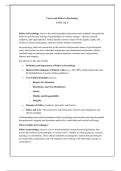
Ethics in Psychology refers to the moral principles and professional standards that guide the
behavior and decision-making of psychologists in various settings—clinical, research,
academic, and organizational. Ethical practice ensures respect for the dignity, rights, and
welfare of clients, participants, students, and the broader community.
In psychology, ethics are crucial due to the sensitive and personal nature of psychological
work, which often involves vulnerable populations and confidential information. Ethical
standards help psychologists navigate complex situations, maintain trust, and promote
fairness and integrity.
Key themes in this unit include:
Definition and Importance of Ethics in Psychology
Historical Development of Ethical Codes (e.g., APA, BPS, Indian frameworks like
the Rehabilitation Council of India guidelines)
Core Ethical Principles such as:
o Respect for Autonomy
o Beneficence and Non-Maleficence
o Justice
o Fidelity and Responsibility
o Integrity
Domains of Ethics: Academic, Research, and Practice
Ethics and Law: The intersection and distinctions between legal obligations and
ethical standards
Understanding these ethical foundations helps psychology professionals and students uphold
the profession's integrity and contribute positively to individual and societal well-being.
What is Ethics in Psychology?
Ethics in psychology refers to a set of moral principles and professional guidelines that
govern the conduct of psychologists in various roles—whether in clinical practice, research,
teaching, or consultation. These ethical standards are designed to ensure that psychologists
act responsibly, respectfully, and with integrity when working with individuals, groups, or
communities.
,Ethical behavior in psychology involves making decisions that uphold:
Human dignity
Confidentiality
Informed consent
Non-discrimination
Honesty and accountability
Ethical codes are formulated by professional bodies such as the American Psychological
Association (APA), the British Psychological Society (BPS), and in India, guidelines from
institutions like the Rehabilitation Council of India (RCI) and Indian Psychiatric Society
(IPS).
Core Ethical Principles in Psychology
1. Respect for the Rights and Dignity of People
Acknowledging the worth and autonomy of every individual, including cultural,
individual, and role differences.
2. Competence
Providing services and conducting research within the boundaries of one’s
qualifications and training.
3. Integrity
Promoting honesty, transparency, and fairness in all professional interactions.
4. Responsibility
Accepting accountability for one's professional decisions and minimizing harm.
5. Confidentiality
Protecting the privacy of clients and research participants.
6. Informed Consent
Ensuring individuals voluntarily agree to participate in therapy or research, fully
understanding the nature, purpose, and risks involved.
Importance of Ethics in Psychology
1. Protects Client Welfare:
Ethics ensure that psychologists do no harm and prioritize the psychological well-
being of clients or participants.
, 2. Builds Trust:
Ethical conduct fosters trust between the psychologist and the client or research
participant, which is essential for effective practice.
3. Ensures Fair Practice:
Ethical standards promote non-discriminatory and respectful treatment of all
individuals, regardless of background.
4. Maintains Professional Integrity:
Ethics reinforce accountability, prevent misconduct, and uphold the credibility of the
psychology profession.
5. Supports Legal Compliance:
Ethical practice aligns with legal responsibilities and helps psychologists avoid
lawsuits and disciplinary action.
6. Guides Decision-Making in Complex Situations:
Ethics provide a framework for resolving dilemmas where the right course of action
may not be immediately clear.
Ethics in psychology can be broadly categorized into three major domains: Academic
Ethics, Research Ethics, and Professional Practice Ethics. Each domain addresses specific
ethical challenges and responsibilities depending on the role of the psychologist—whether as
a teacher, researcher, or practitioner.
1. Academic Ethics
Academic ethics refers to the moral standards and principles that guide behavior in teaching,
learning, and educational settings.
Key Aspects:
Integrity in Teaching: Psychologists must teach objectively, provide accurate
content, and respect diverse views.
Fair Evaluation: Students should be graded fairly without bias or favoritism.
Plagiarism: Avoiding the use of others’ ideas, data, or words without proper
acknowledgment.
Respect for Students: Promoting a respectful and inclusive learning environment.
Mentorship Responsibilities: Supporting student growth, career guidance, and
ensuring no exploitation.
2. Research Ethics
, Research ethics focuses on the ethical conduct of psychological studies, especially those
involving human or animal participants.
Key Aspects:
Informed Consent: Participants must voluntarily agree to participate after being fully
informed about the nature of the research.
Confidentiality: Researchers must protect the identity and data of participants.
Avoiding Harm: Ensuring that the research does not cause physical or psychological
harm.
Deception: If used, it must be justified and followed by thorough debriefing.
Animal Rights: When animals are used in research, humane treatment and
justification of use are essential.
Publication Ethics: Honest reporting of results, avoiding data fabrication or
falsification.
Guidelines followed:
APA Ethics Code
Institutional Review Board (IRB) protocols
Indian Council of Medical Research (ICMR) guidelines
3. Professional Practice Ethics (Clinical/Applied Ethics)
This domain applies to psychologists working in clinical, counseling, organizational,
forensic, or community settings.
Key Aspects:
Competence: Practitioners should provide services within their scope of training and
experience.
Confidentiality: Safeguarding client information is critical unless there is risk of
harm to self or others.
Informed Consent in Therapy: Clients must be informed about the nature, process,
risks, and benefits of therapy.
Dual Relationships: Avoiding situations where multiple roles (e.g., friend and
therapist) could impair objectivity.
Cultural Sensitivity: Respecting individual differences in gender, religion, ethnicity,
etc.
UNIT 1 & 2
Ethics in Psychology refers to the moral principles and professional standards that guide the
behavior and decision-making of psychologists in various settings—clinical, research,
academic, and organizational. Ethical practice ensures respect for the dignity, rights, and
welfare of clients, participants, students, and the broader community.
In psychology, ethics are crucial due to the sensitive and personal nature of psychological
work, which often involves vulnerable populations and confidential information. Ethical
standards help psychologists navigate complex situations, maintain trust, and promote
fairness and integrity.
Key themes in this unit include:
Definition and Importance of Ethics in Psychology
Historical Development of Ethical Codes (e.g., APA, BPS, Indian frameworks like
the Rehabilitation Council of India guidelines)
Core Ethical Principles such as:
o Respect for Autonomy
o Beneficence and Non-Maleficence
o Justice
o Fidelity and Responsibility
o Integrity
Domains of Ethics: Academic, Research, and Practice
Ethics and Law: The intersection and distinctions between legal obligations and
ethical standards
Understanding these ethical foundations helps psychology professionals and students uphold
the profession's integrity and contribute positively to individual and societal well-being.
What is Ethics in Psychology?
Ethics in psychology refers to a set of moral principles and professional guidelines that
govern the conduct of psychologists in various roles—whether in clinical practice, research,
teaching, or consultation. These ethical standards are designed to ensure that psychologists
act responsibly, respectfully, and with integrity when working with individuals, groups, or
communities.
,Ethical behavior in psychology involves making decisions that uphold:
Human dignity
Confidentiality
Informed consent
Non-discrimination
Honesty and accountability
Ethical codes are formulated by professional bodies such as the American Psychological
Association (APA), the British Psychological Society (BPS), and in India, guidelines from
institutions like the Rehabilitation Council of India (RCI) and Indian Psychiatric Society
(IPS).
Core Ethical Principles in Psychology
1. Respect for the Rights and Dignity of People
Acknowledging the worth and autonomy of every individual, including cultural,
individual, and role differences.
2. Competence
Providing services and conducting research within the boundaries of one’s
qualifications and training.
3. Integrity
Promoting honesty, transparency, and fairness in all professional interactions.
4. Responsibility
Accepting accountability for one's professional decisions and minimizing harm.
5. Confidentiality
Protecting the privacy of clients and research participants.
6. Informed Consent
Ensuring individuals voluntarily agree to participate in therapy or research, fully
understanding the nature, purpose, and risks involved.
Importance of Ethics in Psychology
1. Protects Client Welfare:
Ethics ensure that psychologists do no harm and prioritize the psychological well-
being of clients or participants.
, 2. Builds Trust:
Ethical conduct fosters trust between the psychologist and the client or research
participant, which is essential for effective practice.
3. Ensures Fair Practice:
Ethical standards promote non-discriminatory and respectful treatment of all
individuals, regardless of background.
4. Maintains Professional Integrity:
Ethics reinforce accountability, prevent misconduct, and uphold the credibility of the
psychology profession.
5. Supports Legal Compliance:
Ethical practice aligns with legal responsibilities and helps psychologists avoid
lawsuits and disciplinary action.
6. Guides Decision-Making in Complex Situations:
Ethics provide a framework for resolving dilemmas where the right course of action
may not be immediately clear.
Ethics in psychology can be broadly categorized into three major domains: Academic
Ethics, Research Ethics, and Professional Practice Ethics. Each domain addresses specific
ethical challenges and responsibilities depending on the role of the psychologist—whether as
a teacher, researcher, or practitioner.
1. Academic Ethics
Academic ethics refers to the moral standards and principles that guide behavior in teaching,
learning, and educational settings.
Key Aspects:
Integrity in Teaching: Psychologists must teach objectively, provide accurate
content, and respect diverse views.
Fair Evaluation: Students should be graded fairly without bias or favoritism.
Plagiarism: Avoiding the use of others’ ideas, data, or words without proper
acknowledgment.
Respect for Students: Promoting a respectful and inclusive learning environment.
Mentorship Responsibilities: Supporting student growth, career guidance, and
ensuring no exploitation.
2. Research Ethics
, Research ethics focuses on the ethical conduct of psychological studies, especially those
involving human or animal participants.
Key Aspects:
Informed Consent: Participants must voluntarily agree to participate after being fully
informed about the nature of the research.
Confidentiality: Researchers must protect the identity and data of participants.
Avoiding Harm: Ensuring that the research does not cause physical or psychological
harm.
Deception: If used, it must be justified and followed by thorough debriefing.
Animal Rights: When animals are used in research, humane treatment and
justification of use are essential.
Publication Ethics: Honest reporting of results, avoiding data fabrication or
falsification.
Guidelines followed:
APA Ethics Code
Institutional Review Board (IRB) protocols
Indian Council of Medical Research (ICMR) guidelines
3. Professional Practice Ethics (Clinical/Applied Ethics)
This domain applies to psychologists working in clinical, counseling, organizational,
forensic, or community settings.
Key Aspects:
Competence: Practitioners should provide services within their scope of training and
experience.
Confidentiality: Safeguarding client information is critical unless there is risk of
harm to self or others.
Informed Consent in Therapy: Clients must be informed about the nature, process,
risks, and benefits of therapy.
Dual Relationships: Avoiding situations where multiple roles (e.g., friend and
therapist) could impair objectivity.
Cultural Sensitivity: Respecting individual differences in gender, religion, ethnicity,
etc.