Garantie de satisfaction à 100% Disponible immédiatement après paiement En ligne et en PDF Tu n'es attaché à rien 4.2 TrustPilot
logo-home
Examen

Psychopharmacology Drugs the Brain and Behavior 3rd Edition Meyer Test Bank

Note
-
Vendu
-
Pages
483
Grade
A+
Publié le
03-11-2025
Écrit en
2025/2026

Psychopharmacology Drugs The Brain And Behavior 3rd Edition Meyer Nursing Test Bank Multiple Choice 1. refer(s) to specific molecular changes that occur when a drug binds to a particular target site or receptor, while are the resulting widespread alterationsin function. a. Drug action; therapeutic effects b. Side effects; drug effects c. Therapeutic effects; side effects d. Drug action; drug effects Answer: d Textbook Reference: Pharmacology: The Science of Drug Action 2. After drug administration has occurred, the amount of drug in the blood that is free tobind at specific target sites is referred to as a. the therapeutic dose. b. first-pass effects. c. bioavailability. d. ED50. Answer: c Textbook Reference: Pharmacokinetic Factors Determining Drug Action 3. The specific molecular changes that occur when a drug binds to a particular target siteor receptor are referred to as a. drug effects. b. drug action. c. side effects. d. placebo effects. Answer: b Textbook Reference: Pharmacology: The Science of Drug Action 4. Which of the following is not a possible explanation for placebo effects? a. Pavlovian conditioning b. Genetic variation c. Drug competition d. Expectation of outcome Answer: c Textbook Reference: Pharmacology: The Science of Drug Action WWW.THENURSINGMASTERY.COM Page 2 of 247 PSYCHOPHARMACOLOGY 5. The administration of oxytocin has been proposed as a treatment for autism. a. intravenous b. oral c. intranasal d. intracerebral Answer: c Textbook Reference: Pharmacokinetic Factors Determining Drug Action 6. Which factor does not affect the pharmacokinetics of a drug? a. Route of administration b. Lipid solubility c. Depot binding d. Drug action Answer: d Textbook Reference: Pharmacokinetic Factors Determining Drug Action 7. First-pass metabolism occurs when drugs are taken a. orally. b. intravenously. c. subcutaneously. d. nasally. Answer: a Textbook Reference: Pharmacokinetic Factors Determining Drug Action 8. The area postrema is one area in the brain where the is not complete. a. cerebrospinal fluid b. blood–brain barrier c. choroid plexus d. phospholipid membrane Answer: b Textbook Reference: Pharmacokinetic Factors Determining Drug Action 9. First-pass metabolism occurs with orally administered drugs because a. their absorption is slowed by food. b. drugs absorbed into the bloodstream from the stomach go to the liver on the way togeneral circulation. c. drugs must first survive the acidic environment of the stomach. d. salivary enzymes in the mouth begin the process of metabolism. Answer: b Textbook Reference: Pharmacokinetic Factors Determining Drug Action 10. Toxic substances in the blood trigger a vomiting response by activating the a. blood–brain barrier. b. choroid plexus. c. area postrema. d. median eminence. WWW.THENURSINGMASTERY.COM Page 3 of 247 PSYCHOPHARMACOLOGY Answer: c Textbook Reference: Pharmacokinetic Factors Determining Drug Action 11. Drugs administered _ have the most rapid onset of action. a. subcutaneously b. intramuscularly c. orally d. intravenously Answer: d Textbook Reference: Pharmacokinetic Factors Determining Drug Action 12. Ionization of a drug depends on the of the solution and the of thedrug. a. pH; pKa b. pKa; pH c. concentration; lipid solubility d. pH; concentration Answer: a Textbook Reference: Pharmacokinetic Factors Determining Drug Action 13. The absorption of a drug depends on all of the following except a. lipid solubility. b. ionization. c. body temperature. d. the concentration of the drug. Answer: c Textbook Reference: Pharmacokinetic Factors Determining Drug Action 14. Drugs that are should be avoided by women of childbearing age. a. teratogenic b. able to cross the placental barrier c. psychoactive d. highly lipid-soluble Answer: a Textbook Reference: Pharmacokinetic Factors Determining Drug Action 15. Agents that induce developmental abnormalities in a fetus are known as a. psychoactive drugs. b. illicit drugs. c. teratogens. d. placental drugs. Answer: c Textbook Reference: Pharmacokinetic Factors Determining Drug Action 16. Depot binding is said to occur when drugs a. bind to their target sites. WWW.THENURSINGMASTERY.COM Page 4 of 247 PSYCHOPHARMACOLOGY b. bind to inactive sites. c. compete for binding sites. d. are excreted before binding. Answer: b Textbook Reference: Pharmacokinetic Factors Determining Drug Action 17. Which statement about depot binding is false? a. It reduces the concentration of drug at its site of action. b. It may delay the onset of drug action. c. It may prolong drug action by disrupting normal metabolism. d. It increases the concentration of drug at its site of action by releasing large quantities atonce. Answer: d Textbook Reference: Pharmacokinetic Factors Determining Drug Action 18. Drug metabolism mostly occurs in the and usually makes a drug more soluble. a. kidneys; fat b. liver; fat c. liver; water d. kidneys; water Answer: c Textbook Reference: Pharmacokinetic Factors Determining Drug Action 19. Which statement about drug clearance by first-order kinetics is false? a. Molecules of a drug are cleared at a constant rate regardless of drug concentration. b. Molecules of a drug are cleared at an exponential rate. c. A constant fraction of the free drug in the blood is removed in each time interval. d. Clearance of most drugs occurs in this manner. Answer: a Textbook Reference: Pharmacokinetic Factors Determining Drug Action 20. Ethyl alcohol (ethanol) is an example of a drug that is eliminated a. by first-order kinetics. b. by zero-order kinetics. c. by second-order kinetics. d. at the point that six half-lives have passed. Answer: b Textbook Reference: Pharmacokinetic Factors Determining Drug Action 21. Biotransformation of drugs in the liver often occurs in two stages; phase I changes are and include . a. nonsynthetic; conjugation b. synthetic; conjugation c. nonsynthetic; oxidation d. synthetic; oxidation WWW.THENURSINGMASTERY.COM Page 5 of 247 PSYCHOPHARMACOLOGY Answer: c Textbook Reference: Pharmacokinetic Factors Determining Drug Action 22. Biotransformation of drugs can result in the formation of , which enter thecirculation and cause . a. inactive metabolites; sensitization b. active metabolites; prolonged drug action c. active metabolites; tolerance d. enzymes; tolerance Answer: b Textbook Reference: Pharmacokinetic Factors Determining Drug Action 23. Which statement about water-soluble metabolites formed in the liver is false? a. They may return to the circulation and act on target tissues. b. They may be filtered out by the kidneys. c. They may be excreted into bile. d. They may be eliminated with the feces. Answer: a Textbook Reference: Pharmacokinetic Factors Determining Drug Action 24. Which statement about microsomal enzymes in the liver is false? a. They are highly specific and act only on certain compounds. b. They are located on the smooth endoplasmic reticulum. c. The cytochrome P450 family is one of the most important. d. They can metabolize toxins and environmental pollutants as well as drugs. Answer: a Textbook Reference: Pharmacokinetic Factors Determining Drug Action 25. Repeated use of many psychoactive drugs can cause , which can speed up therate of biotransformation of these drugs as well as others. a. drug competition b. enzyme inhibition c. enzyme induction d. tolerance Answer: c Textbook Reference: Pharmacokinetic Factors Determining Drug Action 26. Due to , antidepressants known as monoamine oxidase inhibitors (MAOIs)can cause cardiac arrhythmias and high blood pressure in patients that consume foods high in tyramine. a. sensitization b. tolerance c. drug competition d. enzyme inhibition Answer: d Textbook Reference: Pharmacokinetic Factors Determining Drug Action WWW.THENURSINGMASTERY.COM Page 6 of 247 PSYCHOPHARMACOLOGY 27. While drugs can be excreted from the body by several routes, the most importantroute of elimination is through the a. breath. b. sweat. c. feces. d. urine. Answer: d Textbook Reference: Pharmacokinetic Factors Determining Drug Action 28. The liver and kidneys work together to _ and drugs, respectively. a. metabolize; excrete b. excrete; metabolize c. bind; metabolize d. absorb; excrete Answer: a Textbook Reference: Pharmacokinetic Factors Determining Drug Action 29. For drugs that have a narrow therapeutic window or potentially serious side effects,therapeutic drug monitoring uses to determine the optimum dosage for a new patient. a. body temperature b. urine testing c. brain scans d. blood sampling Answer: d Textbook Reference: Therapeutic Drug Monitoring 30. While pharmacokinetics describes how the body deals with drugs, describeshow drug molecules interact with their targets. a. drug effect b. pharmacodynamics c. antagonist action d. agonist action Answer: b Textbook Reference: Pharmacodynamics: Drug–Receptor Interactions 31. In order for a drug to have an effect, it must first bind to a a. ligand. b. depot site. c. receptor. d. neurotransmitter. Answer: c Textbook Reference: Pharmacodynamics: Drug–Receptor Interactions 32. Most drugs and neurotransmitters act upon WWW.THENURSINGMASTERY.COM Page 7 of 247 PSYCHOPHARMACOLOGY a. intracellular receptors. b. membrane-bound receptors. c. protein synthesis. d. second messengers. Answer: b Textbook Reference: Pharmacodynamics: Drug–Receptor Interactions 33. While most receptors are membrane-bound on the cell surface, many receptors are intracellular. a. drug; neurotransmitter b. hormone; drug c. neurotransmitter; hormone d. agonist; antagonist Answer: c Textbook Reference: Pharmacodynamics: Drug–Receptor Interactions 34. Ligands that have no effect on a receptor after binding are called a. antagonists. b. agonists. c. neurotransmitters. d. null ligands. Answer: a Textbook Reference: Pharmacodynamics: Drug–Receptor Interactions 35. Both agonists and antagonists have but only agonists have appreciable . a. interactions; affinity b. affinity; bioavailability c. efficacy; affinity d. affinity; efficacy Answer: d Textbook Reference: Pharmacodynamics: Drug–Receptor Interactions 36. A dose–response curve shows that noncompetitive antagonists alter both the and the of the agonist, while competitive antagonists alter only the . a. potency; efficacy; potency b. bioavailability; metabolism; bioavailability c. efficacy; potency; efficacy d. depot binding; metabolism; metabolism Answer: a Textbook Reference: Pharmacodynamics: Drug–Receptor Interactions 37. In the dose–response curve, a decrease in potency is indicated by a shift a. to the left. b. to the right. c. upward. WWW.THENURSINGMASTERY.COM Page 8 of 247 PSYCHOPHARMACOLOGY d. downward. Answer: b Textbook Reference: Pharmacodynamics: Drug–Receptor Interactions 38. Which of the following describes the interaction of two drugs when the combineddrug effects are greater than would be predicted from that combination? a. Addictive effects b. Physiological antagonism c. Potentiation d. Tolerance Answer: c Textbook Reference: Pharmacodynamics: Drug–Receptor Interactions 39. After chronic use, the need to administer more of a drug to achieve the same drugeffect is known as a. sensitization. b. antagonism. c. potentiation. d. tolerance. Answer: d Textbook Reference: Biobehavioral Effects of Chronic Drug Use 40. Which factor does not cause tolerance? a. Conditioning b. Increased activity of liver enzymes c. Down-regulation of receptors d. Decreased kidney function Answer: d Textbook Reference: Biobehavioral Effects of Chronic Drug Use 41.Sensitization is most often seen with which class of drugs? a. Barbiturates b. Psychomotor stimulants c. Opiates d. Hallucinogens Answer: b Textbook Reference: Biobehavioral Effects of Chronic Drug Use 42. tolerance occurs as a result of cellular adaptation to the presence of aspecific drug. a. Cross b. Drug disposition c. Pharmacodynamic d. Behavioral Answer: c Textbook Reference: Biobehavioral Effects of Chronic Drug Use WWW.THENURSINGMASTERY.COM Page 9 of 247 PSYCHOPHARMACOLOGY 43. Which of the following is not a goal of pharmacogenetics? a. Assessing addiction potential b. Selecting the best drug for a given individual c. Predicting therapeutic outcome d. Minimizing serious toxic reactions Answer: a Textbook Reference: Pharmacogenetics and Personalized Medicine in Psychiatry Short Answer/Essay 44. Write a coherent and informative paragraph using the following terms: nonspecificdrug effects, double-blind experiment, placebo, subject expectation. Answer: In contrast to specific drug effects that are dependent on the chemical activity ofa drug–receptor interaction, nonspecific drug effects are determined by characteristics of the individual such as present mood or drug-taking experience. Placebo effects are an example of nonspecific effects because placebos have no chemical activity but depend onthe expectations of the individual. Placebos are an important control in double-blind experiments because neither the patient nor the observer knows if the patient has receivedthe active drug or placebo in order to avoid expectation of results or prejudice. Textbook Reference: Pharmacology: The Science of Drug Action 45. List the factors that can influence biotransformation, and briefly explain how they canlead to individual differences in drug response. Answer: Biotransformation can be influenced by enzyme induction, enzyme inhibition, drug competition, and individual differences in age, gender, and genetics. The increase inmetabolizing enzymes (induction) increases the rate of biotransformation, causing tolerance. Inhibition of an enzyme by a drug increases the blood level of other drugs metabolized by that enzyme, causing toxicity. When two drugs compete for the limited number of enzyme molecules, higher blood levels of one or both may occur. Both youngand older individuals have reduced metabolic capacity; men and women vary in enzyme activity, and genetic polymorphisms alter the rate of biotransformation. Textbook Reference: Pharmacokinetic Factors Determining Drug Action 46. Explain why absorption of aspirin is slower from the intestine than from the stomach.Answer: Because aspirin is a weak acid, it will remain in a non-ionized (lipid soluble) form in the acidic stomach and hence it will pass through the cell walls of the stomach tothe blood. In the intestine, where the pH is more alkaline, the aspirin molecules will ionize to a greater extent, which reduce their movement through the cell walls to the blood. Textbook Reference: Pharmacokinetic Factors Determining Drug Action 47. List and briefly describe the five major factors that determine the pharmacokinetics ofdrug action. WWW.THENURSINGMASTERY.COM Page 10 of 247 PSYCHOPHARMACOLOGY Answer: Routes of administration determine how quickly and how completely the drug isabsorbed into the blood. Absorption of the drug through cell membranes and into the blood precedes the distribution of the drug to all the cells in the body. Binding of the drugmay occur at active target sites, to inert depots such as plasma proteins, or stored in bone or fat. Biotransformation influences the intensity and duration of drug effects because theamount of drug in the body at any one time is dependent on the dynamic balance betweenabsorption and inactivation. Excretion of the drug with urine or feces eliminates it from the body. Textbook Reference: Pharmacokinetic Factors Determining Drug Action 48. Define the therapeutic index and describe how it is calculated and why it is important.Answer: The therapeutic index is a measure of drug safety and it is calculated by comparing the dose of a drug that produces a particular drug-induced toxic effect in 50% of a given population with the dose of the drug that produces a particular therapeutic effect. (TI = TD50 / ED50) When the TD50 and ED50 are very similar the TI is low and the probability of a toxic effect is great. When the TD50 is large and the ED50 is low, many patients will benefit from the drug and few will experience the toxic effect. Textbook Reference: Pharmacodynamics: Drug–Receptor Interactions 49. Draw the dose–response curves for two drugs with the same efficacy, given that drugA is ten times as potent as drug B. Answer: See sample figure below. Textbook Reference: Pharmacodynamics: Drug–Receptor Interactions 50. Compare and contrast competitive and noncompetitive antagonists. Answer: Both types of antagonists reduce the effects of agonists, but by different means. Competitive antagonists compete with agonists binding to receptors, but can be displacedby excess agonist. Hence, although the potency of an agonist is reduced and its dose– response curve is shifted to the right, its efficacy is not WWW.THENURSINGMASTERY.COM Page 11 of 247 PSYCHOPHARMACOLOGY changed. In contrast, WWW.THENURSINGMASTERY.COM Page 12 of 247 PSYCHOPHARMACOLOGY noncompetitive antagonists reduce the effects of agonists in ways other than receptor competition, such as disturbing the receptor’s cell membrane environment. In these casesthe dose–response curve is distorted rather than shifted and the same maximum (efficacy)is not achieved. Textbook Reference: Pharmacodynamics: Drug–Receptor Interactions 51. Define and explain receptor up-regulation and down-regulation. Answer: Receptor up-regulation is an increase in receptor number that represents a compensatory change in the cell after prolonged absence of receptor agonists. Receptordown-regulation is a decrease in receptor number and reflects a compensatory change after chronic activation of the receptor. These changes are responsible for pharmacodynamic tolerance and also explain the rebound withdrawal syndrome that ischaracteristic of physical dependence. Textbook Reference: Biobehavioral Effects of Chronic Drug Use 52. Describe briefly the four types of tolerance. Answer: Acute tolerance occurs when a individual experiences greater effects of a drug as her blood level rises than when her blood level has fallen to the same point during thesame episode. Metabolic tolerance occurs when repeated use of a drug increases its ownrate of metabolism. Pharmacodynamic tolerance occurs when compensatory cellular adjustments occur in response to the prolonged presence of the drug. Behavioral tolerance is dependent on several types of learning (classical conditioning and operant conditioning) and the environment in which the drug is administered. Textbook Reference: Biobehavioral Effects of Chronic Drug Use 53. What is state-dependent learning? Why does it occur? Answer: State-dependent learning refers to the concept that tasks learned under the influence of a psychoactive drug will subsequently be performed better in the drugged state than in the nondrugged state. Likewise, tasks learned in the nondrugged state will beperformed better in the nondrugged state than in the drugged state. This occurs because drug-induced internal cues become part of the environmental ―set‖ and when any aspect of the environment, such as the experimental apparatus, changes, performance deteriorates. Textbook Reference: Biobehavioral Effects of Chronic Drug Use 54. Explain how pharmacogenetic approaches could lead to better pharmacologicaltreatment. Answer: Pharmacogenetics investigates the genetic basis for variability in drug response among individuals. Variability can be explained by genetic differences in both pharmacokinetic and pharmacodynamic factors. However, the most studied are genetic differences in drug-metabolizing enzymes because variations in biotransformation lead tolarge differences in bioavailability responsible for variations in effectiveness and side effects. Knowing the inherited level of function of metabolizing enzymes could predict the correct dose for an individual to maximize benefits and avoid adverse drug effects. Textbook Reference: Pharmacogenetics and Personalized Medicine in Psychiatry WWW.THENURSINGMASTERY.COM Page 13 of 247 PSYCHOPHARMACOLOGY Test Bank to accompany Psychopharmacology, Third Edition Meyer • Quenzer Chapter 2: Structure and Function of the Nervous System Multiple Choice 1. Neurons rely on for protection, metabolic support, and insulation. a. mitochondria b. glial cells c. axoplasm d. dendritic spines Answer: b Textbook Reference: Cells of the Nervous System 2. Neurons responsible for converting environmental stimuli into neural signals areknown as a. sensory neurons. b. interneurons. c. motor neurons. d. pyramidal cells. Answer: a Textbook Reference: Cells of the Nervous System 3. Neurons can be categorized by all of the following except by a. which neurotransmitters they release. b. their function (e.g., sensory versus motor). c. the size of the action potentials they generate. d. their morphology. Answer: c Textbook Reference: Cells of the Nervous System 4. The of the neuronal cell is/are found in the soma, while the may befound throughout the cell. a. mitochondria; dendrites b. dendrites; axon c. nucleus; mitochondria d. nucleus; dendrites Answer: c Textbook Reference: Cells of the Nervous System 5. Mitochondria are responsible for generating for the cell in the form of

Montrer plus Lire moins
Établissement
Psychopharmacology Drugs The Brain And Behavior 3r
Cours
Psychopharmacology Drugs the Brain and Behavior 3r


Oups ! Impossible de charger votre document. Réessayez ou contactez le support.

École, étude et sujet

Établissement
Psychopharmacology Drugs the Brain and Behavior 3r
Cours
Psychopharmacology Drugs the Brain and Behavior 3r

Infos sur le Document

Publié le
3 novembre 2025
Nombre de pages
483
Écrit en
2025/2026
Type
Examen
Contient
Questions et réponses

Sujets

Aperçu du contenu

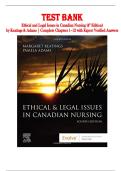
TESTBANKForPsychopharmacology Drugs
g g g g


g the BrainandBehavior3rdEdition
g g g g g


By Meyer Nursing,Verified Chapters 1-20
g g g g g g g g


WWW.THENURSINGMASTERY.COM
Page 1 of 247
g g g

,Chapter 1. Principles of Pharmacology
g g g g


Chapter 2. Structure and Function of the Nervous System
g g g g g g g g


Chapter 3. Chemical Signaling by Neurotransmitters and Hormones
g g g g g g g


Chapter 4. Methods of Research in Psychopharmacology
g g g g g g


Chapter 5. Catecholamines
g g


Chapter 6. Serotonin
g g


Chapter 7. Acetylcholine
g g


Chapter 8. Glutamate and GABA
g g g g


Chapter 9. Drug Abuse and Addiction
g g g g g


Chapter 10. Alcohol
g g


Chapter 11. The Opioids
g g g


Chapter 12. Psychomotor Stimulants: Cocaine, Amphetamine, and Related Drugs
g g g g g g g g


Chapter 13. Nicotine and Caffeine
g g g g


Chapter 14. Marijuana and the Cannabinoids
g g g g g


Chapter 15. Hallucinogens, PCP, and Ketamine
g g g g g


Chapter 16. Inhalants, GHB, and Anabolic-Androgenic Steroids
g g g g g g


Chapter 17. Disorders of Anxiety and Impulsivity and the Drugs Used to Treat These Disorders
g g g g g g g g g g g g g g


Chapter 18. Affective Disorders: Antidepressants and Mood Stabilizers
g g g g g g g


Chapter 19. Schizophrenia: Antipsychotic Drugs
g g g g


Chapter 20. Neurodegenerative Diseases
g g g g


WWW.THENURSINGMASTERY.COM
Page 2 of 247
g g g

, Chapter1: Principles ofPharmacology g g g g


Multiple Choice g


1. g refer(s) to specific molecular changes that occur when a drug binds to a
g g g g g g g g g g g g


g particulartarget site or receptor, while g g g g g arethe resultingwidespread alterations
g g g g


in function.
g g


a. Drugaction; therapeutic effectsg g g


b. Sideeffects; drugeffects
g g g


c. Therapeuticeffects; sideeffects g g g


d. Drugaction; drugeffects g g g


ANSWER:d g


TextbookReference:Pharmacology: TheScience ofDrugAction
g g g g g g g


2. Afterdrugadministration has occurred, the amount of drugin the blood that is freetobind
g g g g g g g g g g g g g g g g


g at specific target sites is referred to as
g g g g g g g


a. thetherapeuticdose.
g g


b. first-passeffects. g


c. bioavailability.
d. ED50.
ANSWER: c g


TextbookReference:Pharmacokinetic Factors DeterminingDrug Action
g g g g g g


3. The specific molecular changes that occur when a drugbinds to a particular target siteor
g g g g g g g g g g g g g g g


receptor are referred to as
g g g g g


a. drugeffects. g


b. drugaction. g


WWW.THENURSINGMASTERY.COM
Page 3 of 247
g g g

, c. sideeffects.
g


d. placebo effects. g


ANSWER:b g


TextbookReference: Pharmacology: TheScience ofDrugAction
g g g g g g g


4. Which ofthe following is not apossible explanation for placebo effects?
g g g g g g g g g g g


a. Pavlovianconditioning g


b. Geneticvariation g


c. Drugcompetition
g


d. Expectation of outcome g g


ANSWER: c g


TextbookReference: Pharmacology: TheScience ofDrugAction
g g g g g g g


WWW.THENURSINGMASTERY.COM
Page 4 of 247
g g g

$23.99
Accéder à l'intégralité du document:

Garantie de satisfaction à 100%
Disponible immédiatement après paiement
En ligne et en PDF
Tu n'es attaché à rien

Faites connaissance avec le vendeur

Seller avatar
Les scores de réputation sont basés sur le nombre de documents qu'un vendeur a vendus contre paiement ainsi que sur les avis qu'il a reçu pour ces documents. Il y a trois niveaux: Bronze, Argent et Or. Plus la réputation est bonne, plus vous pouvez faire confiance sur la qualité du travail des vendeurs.
wiseplug Cambridge College
Voir profil
S'abonner Vous devez être connecté afin de suivre les étudiants ou les cours
Vendu
11
Membre depuis
5 mois
Nombre de followers
3
Documents
719
Dernière vente
2 semaines de cela
Actuary plug

Study Hub – Verified Solutions, Test Banks & Guides for Medical, Nursing, Business, Engineering, Accounting, Chemistry, Biology & Other Subjects Welcome to Your Ultimate Study Resource Hub! Looking for high-quality, reliable, and exam-ready study materials? You’re in the right place. Our shop specializes in original publisher content, including solutions manuals, test banks, and comprehensive study guides that are ideal for university and college students across various subjects. Every document is in PDF format and available for instant download—no waiting, no hassle. That means you get immediate access to top-tier academic resources the moment you need them, whether you're cramming for an exam or studying ahead. These materials are especially effective for exam preparation, offering step-by-step solutions, real test formats, and well-organized study guides that align with your coursework and textbooks. Whether you're a visual learner, a problem-solver, or need practice questions—there’s something for every study style. Love what you get? Share it! Help your mates and classmates succeed too by referring them to our shop. More learners, more success for all.

Lire la suite Lire moins
4.6

5 revues

5
4
4
0
3
1
2
0
1
0

Récemment consulté par vous

Pourquoi les étudiants choisissent Stuvia

Créé par d'autres étudiants, vérifié par les avis

Une qualité sur laquelle compter : rédigé par des étudiants qui ont réussi et évalué par d'autres qui ont utilisé ce document.

Le document ne convient pas ? Choisis un autre document

Aucun souci ! Tu peux sélectionner directement un autre document qui correspond mieux à ce que tu cherches.

Paye comme tu veux, apprends aussitôt

Aucun abonnement, aucun engagement. Paye selon tes habitudes par carte de crédit et télécharge ton document PDF instantanément.

Student with book image

“Acheté, téléchargé et réussi. C'est aussi simple que ça.”

Alisha Student

Foire aux questions