10/28/25, 9:45 AM UAB MG 302 Exam 2 Study Guide EXAM (updated 2025) Questions & Answers | Latest Already Graded A+ UPDATE 2025|2026 F…
UAB MG 302 Exam 2 Study Guide EXAM (updated
2025) Questions & Answers | Latest Already
Graded A+ UPDATE 2025|2026
Save
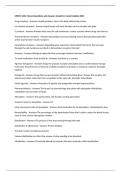
Terms in this set (122)
1. Develop the Plan
List the steps in the 2. Translate the Plan
organizational planning 3. Plan operations
process. 4. Execute the Plan
5. Monitor and Learn
develop the plan define mission, vision, set goals
Define tactical plans and objectives, develop strategy
Translate the Plan map, define contingency plans and scenarios, identify
intelligence teams
define operational goals and plans, select measures
Plan operations
and targets, set stretch goals, crisis planning
Use: management by objectives, performance
execute the plan dashboards, single use
plans, decentralized responsibility
monitor and learn hold planning reviews, hold operational reviews.
https://quizlet.com/1099615028/uab-mg-302-exam-2-study-guide-exam-updated-2025-questions-answers-latest-already-graded-a-update-20252026-fl… 1/9
, 10/28/25, 9:45 AM UAB MG 302 Exam 2 Study Guide EXAM (updated 2025) Questions & Answers | Latest Already Graded A+ UPDATE 2025|2026 F…
Crisis management is the process by which an
organization deals with a disruptive and unexpected
event that threatens to harm the organization or its
stakeholders. Crisis Planning is also used to cope with
Define and explain crisis
unexpected events that are sudden and devastating.
management.
The types of crises may vary, though a carefully
thought-out and coordinated plan can be used to
respond to any disaster. Additionally, crisis planning
reduces the incidence of trouble.
Groupthink refers to the tendency of people in groups
to suppress contrary opinions. (Desire for harmony >
decision quality).Groupthink can negatively affect
business success due to the lack of conflict,
Explain GroupThink and
constructive criticism, and open opinions. When all
how it can affect business.
members of the group conform to the same ideas and
mindset, the group loses amounts of innovation and
creativity that could have been implemented into their
work.
The classical model of decision making
prescribes the best way to make decisions. There are
4 assumptions behind the classical model:
(1) Clearly Defined Problem: The model assumes that
the decision-maker has clearly set goals
and knows what is expected from him.
(2) Certain Environment: The model further suggests
Explain the classical that it is in the power of the decision-maker to
model of decision making. eliminate any uncertainty that might impact the
decision. As a result, there are no risks to account for.
(3) Full Information: The decision-maker is able to
identify all alternatives available to him and to
evaluate and rank them objectively.
(4)Rational Decisions: The decision-maker is believed
to always be acting in the best interests of
the organization.
https://quizlet.com/1099615028/uab-mg-302-exam-2-study-guide-exam-updated-2025-questions-answers-latest-already-graded-a-update-20252026-fl… 2/9
UAB MG 302 Exam 2 Study Guide EXAM (updated
2025) Questions & Answers | Latest Already
Graded A+ UPDATE 2025|2026
Save
Terms in this set (122)
1. Develop the Plan
List the steps in the 2. Translate the Plan
organizational planning 3. Plan operations
process. 4. Execute the Plan
5. Monitor and Learn
develop the plan define mission, vision, set goals
Define tactical plans and objectives, develop strategy
Translate the Plan map, define contingency plans and scenarios, identify
intelligence teams
define operational goals and plans, select measures
Plan operations
and targets, set stretch goals, crisis planning
Use: management by objectives, performance
execute the plan dashboards, single use
plans, decentralized responsibility
monitor and learn hold planning reviews, hold operational reviews.
https://quizlet.com/1099615028/uab-mg-302-exam-2-study-guide-exam-updated-2025-questions-answers-latest-already-graded-a-update-20252026-fl… 1/9
, 10/28/25, 9:45 AM UAB MG 302 Exam 2 Study Guide EXAM (updated 2025) Questions & Answers | Latest Already Graded A+ UPDATE 2025|2026 F…
Crisis management is the process by which an
organization deals with a disruptive and unexpected
event that threatens to harm the organization or its
stakeholders. Crisis Planning is also used to cope with
Define and explain crisis
unexpected events that are sudden and devastating.
management.
The types of crises may vary, though a carefully
thought-out and coordinated plan can be used to
respond to any disaster. Additionally, crisis planning
reduces the incidence of trouble.
Groupthink refers to the tendency of people in groups
to suppress contrary opinions. (Desire for harmony >
decision quality).Groupthink can negatively affect
business success due to the lack of conflict,
Explain GroupThink and
constructive criticism, and open opinions. When all
how it can affect business.
members of the group conform to the same ideas and
mindset, the group loses amounts of innovation and
creativity that could have been implemented into their
work.
The classical model of decision making
prescribes the best way to make decisions. There are
4 assumptions behind the classical model:
(1) Clearly Defined Problem: The model assumes that
the decision-maker has clearly set goals
and knows what is expected from him.
(2) Certain Environment: The model further suggests
Explain the classical that it is in the power of the decision-maker to
model of decision making. eliminate any uncertainty that might impact the
decision. As a result, there are no risks to account for.
(3) Full Information: The decision-maker is able to
identify all alternatives available to him and to
evaluate and rank them objectively.
(4)Rational Decisions: The decision-maker is believed
to always be acting in the best interests of
the organization.
https://quizlet.com/1099615028/uab-mg-302-exam-2-study-guide-exam-updated-2025-questions-answers-latest-already-graded-a-update-20252026-fl… 2/9