HOW SOUTH AFRICA CHOSE TO REMEMBERT THE PAST
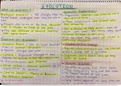
THE TRUTH AND RECONCILIATON COMMISSION (TRC)
In negotiations leading up to 1994 elections – ANC and NP agreed on the creation of
a commission to investigate apartheid-era crimes
1995 – the GNU established the TRC, after passing the Promotion of National Unity
and Reconciliation Act under the chairmanship of Archbishop Desmond Tutu
Aim:
Investigate politically motivated violations of human rights between 1960 –
1994
To recommend compensation for victims
To grant amnesty to perpetrators under certain conditions – in return,
individuals. political parties had to give a full and public testimony for their
actions
Make everyone aware of the past so that the process of national
reconciliation could take place
VARIOUS FORMS OF JUSTICE
Retributive justice justice, punishment & revenge
Restorative justice forgiveness & healing
RETRIBUTIVE – NUREMBERG TRIALS RESTORATIVE - TRC
After defeat of the Nazi’s, the allies Emphasis was on forgiveness &
set up military courts to put people reconciliation
on trial who were accused of war Not a court of law, it could NOT
crimes prosecute people or hand out
Nazi political & military leaders & judgements
people who had carried out the Aim: create a process for uncovering
atrocities the truth & that this truth would
Some sentenced to death, many promote national reconciliation
given prison sentences
Even normal people who
contributed to the Nazi’s atrocities
were tried
Allies wanted to show the world hat
NO government had the right to
carry out laws that systematically
violate HUMAN RIGHTS
JUSTICE RICHARD GOLDSTONE – the decision of going for restorative justice and the
TRC, was an important compromise. Had the ANC insisted on Nuremberg-style trials,
there would have been no peaceful transition to democracy. And had the NP insisted
, on a blanket amnesty (a pardon for everyone involved), the negotiations would have
broken down.
THE WORK OF THE TRC
Began in 1996 – for 2 years, held hearings around the country that were broadcasted
live on radio and TV
22 000 + victims told their stories / made statements to the TRC
The Commission – chaired by people elected by Mandela – racially diverse and had a
history of promoting human rights and social justice
3 SEPARATE COMMITTEES IN TRC:
1. Committee on Human Rights Violations
People came to tell their stories, give testimonies & national coverage
helped SA citizens know more about the atrocities of the past (e.g.
different businesses that funded NP, violence, murders etc.)
2. Committee on Reparation and Rehabilitation
Investigated the stories of people and gave them support where possible
3. Committee of Amnesty
Could grant amnesty from prosecution to perpetrators of political
violence, IF they could prove that their crimes were done for a political
motive and NOT personal malice
Could grant amnesty if the perpetrators told the whole truth and
acknowledge what they had done
TRC also investigated actions of the liberation movements, as well as the politicians
and their supporters in the pre-election violence
Public testimonies (both from people against and for apartheid) showed how much
violence had taken place in previous decades
Some victims wanted revenge, some wanted compensation, some just wanted to
know the truth about what had happened to their family members
DEBATES CONCERNING THE TRC
o Some war crime trials should be held
o Some opposed the idea of the truth commission, believing that it would re-open
old wounds that were just beginning to heal
o Mandela & many others it was essential to uncover the injustices of the past so
that South Africa could move forwards
o While TRC was being held – opinions differed sharply
o Some whites believed the past should be left alone
o Some whites said it was a “witch-hunt” (an attempt to find and publicly punish
people whose opinions are unpopular and who are said to be a danger to society)
o Some embraced it and were shocked by the revelations
o Many blacks believed that justice had NOT been served & too many murderers were
walking free
THE TRC AS AN INSTRUMENT OF RECONCILIATION
THE TRUTH AND RECONCILIATON COMMISSION (TRC)
In negotiations leading up to 1994 elections – ANC and NP agreed on the creation of
a commission to investigate apartheid-era crimes
1995 – the GNU established the TRC, after passing the Promotion of National Unity
and Reconciliation Act under the chairmanship of Archbishop Desmond Tutu
Aim:
Investigate politically motivated violations of human rights between 1960 –
1994
To recommend compensation for victims
To grant amnesty to perpetrators under certain conditions – in return,
individuals. political parties had to give a full and public testimony for their
actions
Make everyone aware of the past so that the process of national
reconciliation could take place
VARIOUS FORMS OF JUSTICE
Retributive justice justice, punishment & revenge
Restorative justice forgiveness & healing
RETRIBUTIVE – NUREMBERG TRIALS RESTORATIVE - TRC
After defeat of the Nazi’s, the allies Emphasis was on forgiveness &
set up military courts to put people reconciliation
on trial who were accused of war Not a court of law, it could NOT
crimes prosecute people or hand out
Nazi political & military leaders & judgements
people who had carried out the Aim: create a process for uncovering
atrocities the truth & that this truth would
Some sentenced to death, many promote national reconciliation
given prison sentences
Even normal people who
contributed to the Nazi’s atrocities
were tried
Allies wanted to show the world hat
NO government had the right to
carry out laws that systematically
violate HUMAN RIGHTS
JUSTICE RICHARD GOLDSTONE – the decision of going for restorative justice and the
TRC, was an important compromise. Had the ANC insisted on Nuremberg-style trials,
there would have been no peaceful transition to democracy. And had the NP insisted
, on a blanket amnesty (a pardon for everyone involved), the negotiations would have
broken down.
THE WORK OF THE TRC
Began in 1996 – for 2 years, held hearings around the country that were broadcasted
live on radio and TV
22 000 + victims told their stories / made statements to the TRC
The Commission – chaired by people elected by Mandela – racially diverse and had a
history of promoting human rights and social justice
3 SEPARATE COMMITTEES IN TRC:
1. Committee on Human Rights Violations
People came to tell their stories, give testimonies & national coverage
helped SA citizens know more about the atrocities of the past (e.g.
different businesses that funded NP, violence, murders etc.)
2. Committee on Reparation and Rehabilitation
Investigated the stories of people and gave them support where possible
3. Committee of Amnesty
Could grant amnesty from prosecution to perpetrators of political
violence, IF they could prove that their crimes were done for a political
motive and NOT personal malice
Could grant amnesty if the perpetrators told the whole truth and
acknowledge what they had done
TRC also investigated actions of the liberation movements, as well as the politicians
and their supporters in the pre-election violence
Public testimonies (both from people against and for apartheid) showed how much
violence had taken place in previous decades
Some victims wanted revenge, some wanted compensation, some just wanted to
know the truth about what had happened to their family members
DEBATES CONCERNING THE TRC
o Some war crime trials should be held
o Some opposed the idea of the truth commission, believing that it would re-open
old wounds that were just beginning to heal
o Mandela & many others it was essential to uncover the injustices of the past so
that South Africa could move forwards
o While TRC was being held – opinions differed sharply
o Some whites believed the past should be left alone
o Some whites said it was a “witch-hunt” (an attempt to find and publicly punish
people whose opinions are unpopular and who are said to be a danger to society)
o Some embraced it and were shocked by the revelations
o Many blacks believed that justice had NOT been served & too many murderers were
walking free
THE TRC AS AN INSTRUMENT OF RECONCILIATION