Chapter 13: Heart disease, hypertension, stroke, diabetes
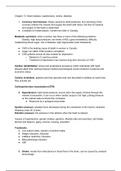
1. Coronary heart disease: illness caused by atherosclerosis, the narrowing of the
coronary arteries the vessels that supply the heath with blood; the flow of nutrients
and oxygen to the heart is obstructed
● a disease of modernization, number two killer in Canada,
Metabolic syndrome: when a person has three or more of the following problems:
Obesity, high blood pressure, low levels of HDL (good cholesterol), difficulty
metabolizing blood sugar, risk of diabetes, high triglycerides (bad cholesterol)
● CHD is the leading cause of death in women in Canada
● Anger can affect CHD (positive correlation)
● CHD patients should be also treated for depression
○ Related to C-reactive protein
○ Treatment of depression may improve long term recovery of CHD
Cardiac rehabilitation: active and progressive process by which individuals with heart
disease attain their optimal physical medical psychological social emotional vocational and
economic status
Cardiac invalidism: patients and their spouses both see the patient’s abilities as lower than
they actually are
Cardiopulmonary resuscitation (CPR)
2. Hypertension: high blood pressure; occurs when the supply of blood through the
vessels is excessive, it can occur when cardiac output is too high, putting pressure
on the arterial walls as blood flow increases
● Measured by a sphygmomanometer
Systolic pressure: greatest force developed during the contraction of the heart’s ventricles
(keeping under 20 is best)
Diastolic pressure: the pressure in the arteries when the heart is relaxed
Causes of hypertension: gender (males), genetics, lifestyle (diet and exercise), salt intake,
alcohol and tobacco, aging, income, housing, education
Treatments
● Low sodium diets, reaction of alcohol intake
● Weight reduction, Exercise
● Caffeine restriction, Diuretics
● Beta-adrenergic blockers
● CBT
3. Stroke: results from disturbance in blood flow to the brain, can be caused by cerebral
hemorrhage
1. Coronary heart disease: illness caused by atherosclerosis, the narrowing of the
coronary arteries the vessels that supply the heath with blood; the flow of nutrients
and oxygen to the heart is obstructed
● a disease of modernization, number two killer in Canada,
Metabolic syndrome: when a person has three or more of the following problems:
Obesity, high blood pressure, low levels of HDL (good cholesterol), difficulty
metabolizing blood sugar, risk of diabetes, high triglycerides (bad cholesterol)
● CHD is the leading cause of death in women in Canada
● Anger can affect CHD (positive correlation)
● CHD patients should be also treated for depression
○ Related to C-reactive protein
○ Treatment of depression may improve long term recovery of CHD
Cardiac rehabilitation: active and progressive process by which individuals with heart
disease attain their optimal physical medical psychological social emotional vocational and
economic status
Cardiac invalidism: patients and their spouses both see the patient’s abilities as lower than
they actually are
Cardiopulmonary resuscitation (CPR)
2. Hypertension: high blood pressure; occurs when the supply of blood through the
vessels is excessive, it can occur when cardiac output is too high, putting pressure
on the arterial walls as blood flow increases
● Measured by a sphygmomanometer
Systolic pressure: greatest force developed during the contraction of the heart’s ventricles
(keeping under 20 is best)
Diastolic pressure: the pressure in the arteries when the heart is relaxed
Causes of hypertension: gender (males), genetics, lifestyle (diet and exercise), salt intake,
alcohol and tobacco, aging, income, housing, education
Treatments
● Low sodium diets, reaction of alcohol intake
● Weight reduction, Exercise
● Caffeine restriction, Diuretics
● Beta-adrenergic blockers
● CBT
3. Stroke: results from disturbance in blood flow to the brain, can be caused by cerebral
hemorrhage