Lecture 5
Health compromising behaviours
● Also referred to as risk or problem behaviour
● Common health compromising behaviour (HCB) characteristics
○ Window of vulnerability in adolescence
○ Self-presentation
○ Provides some pleasure
○ Gradual development
○ Common predictive factors
Defined in the DSM-IV as:
● When an individual persists in use of alcohol or other drugs despite problems related
to use of the substance, substance dependence may be diagnosed
● Compulsive and repetitive use may result in tolerance to the effect of the drug and
withdrawal; symptoms when use is reduced or stopped
Substance dependence
● APA (2000) defines it as: when user has repeatedly self-administered an agent
resulting in tolerance, withdrawal and compulsive behaviour
● Substance abuse can include: physical dependence, tolerance, addiction, withdrawal
● Harms reduction: an approach that focuses on the risks and consequences of
substance use rather than on the drug itself
● Sets more realistic goals
● Implemented through community-based programs
○ Methadone clinics
○ Needle exchange programs
● Insite program started in 2001 in vancouver
● Canada’s first safe-injection site
● Offers disposable injection kit, sterile tools, medical support
● Benefits of insite program
○ Reduces rates of transfer of infection disease
○ Lowers long term costs to the health care system
○ Improves access health care services, including primary care and addiction
treatment
○ Brings stability to the community, safer environment
Illicit drug use
● Illicit drugs represent those that are illegal
● Four main classes of illicit drugs include:
○ Opiates (heroin)
○ Cocaine
○ Cannabis THC
○ Amphetamine-type stimulants
● Psychoactive prescription drugs are a growing problem (opioids, oxytocin, stimulants)
● Consequence of illicit drug use include
○ Physical issues: physiological damage, infectious disease
, ○ Mental health issues: anxiety, rebound depression
○ Social issues: misjudgement, risky sexual behaviours
Alcohol abuse
● Alcoholism recognized as disease by AMA in 1957
● Responsible for more than 8 000 deaths per year
● Linked to health issues including: high blood pressure, liver damage, CVD, fetal-
alcohol syndrome
● Alcoholic is physically addicted to alcohol
○ Display both withdrawal and tolerance, loss of control
● Problem drinkers have social, psychological and medical problems resulting from
alcohol
● Factors that influence the incidence: genetic factors/genetically linked, Men vs
women, Socio economic status (lower=more dependencies), response to stress,
social cues, cultural cues
● Uni students: unhealthy drinking patterns are prevalent in this population; significant
growth seen in women subgroup, linked to specific environmental situations, CBT-
style individualized programs and prevention program the most effective
● Treatment
○ Factors that influence treatment include: alcoholics age, rates improves
(maturing), socio-economic status, access to care and social support
○ Commonly employed treatments include: alcoholics anonymous, cognitive
behavioural therapy, detoxification
○ Other factors to consider include: relapse, preventative approaches… can
alcohol be healthy?: 1-2 glasses (dry red wine): HDL vs LDL, polyphenols
(reduce bad fats), immune systems (can boost)
For every high, you will feel an equal low
Cigarette smoking
● Overall rates of smoking have decreased
● Effects of cigarette smoking
○ Single greatest cause of preventable death
○ Smoking accounts for 30% of all cancer deaths
○ Associated with 46,000 deaths in 2010
○ Smokers have a higher risk for: CVD, lung cancer and other cancers, chronic
bronchitis, emphysema
○ Smokers show an overall lower level of health, second-hand smoke has been
proven to cause serious health problems
○ May have synergistic effects: smoking and cholesterol (CVD), smoking and
stress, smoking and cancer, smoking and depression (cancer)
○ Factors that influence why individuals smoke: genetically linked (DA function),
social drivers (peer/family), body image, self image, mood state
● Nicotine (mechanism)
○ In CNS nAChR are found on presynaptic nerve terminals of: dopamine
neurons, acetylcholine neurons, glutamine neurons
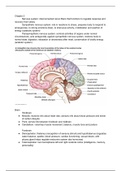
○ Increases in DA levels in limbic systems
○ Nicotine attached to the nACh receptor
○ Displaces 75% of radiolabeled tracer after 3 cigarettes
Health compromising behaviours
● Also referred to as risk or problem behaviour
● Common health compromising behaviour (HCB) characteristics
○ Window of vulnerability in adolescence
○ Self-presentation
○ Provides some pleasure
○ Gradual development
○ Common predictive factors
Defined in the DSM-IV as:
● When an individual persists in use of alcohol or other drugs despite problems related
to use of the substance, substance dependence may be diagnosed
● Compulsive and repetitive use may result in tolerance to the effect of the drug and
withdrawal; symptoms when use is reduced or stopped
Substance dependence
● APA (2000) defines it as: when user has repeatedly self-administered an agent
resulting in tolerance, withdrawal and compulsive behaviour
● Substance abuse can include: physical dependence, tolerance, addiction, withdrawal
● Harms reduction: an approach that focuses on the risks and consequences of
substance use rather than on the drug itself
● Sets more realistic goals
● Implemented through community-based programs
○ Methadone clinics
○ Needle exchange programs
● Insite program started in 2001 in vancouver
● Canada’s first safe-injection site
● Offers disposable injection kit, sterile tools, medical support
● Benefits of insite program
○ Reduces rates of transfer of infection disease
○ Lowers long term costs to the health care system
○ Improves access health care services, including primary care and addiction
treatment
○ Brings stability to the community, safer environment
Illicit drug use
● Illicit drugs represent those that are illegal
● Four main classes of illicit drugs include:
○ Opiates (heroin)
○ Cocaine
○ Cannabis THC
○ Amphetamine-type stimulants
● Psychoactive prescription drugs are a growing problem (opioids, oxytocin, stimulants)
● Consequence of illicit drug use include
○ Physical issues: physiological damage, infectious disease
, ○ Mental health issues: anxiety, rebound depression
○ Social issues: misjudgement, risky sexual behaviours
Alcohol abuse
● Alcoholism recognized as disease by AMA in 1957
● Responsible for more than 8 000 deaths per year
● Linked to health issues including: high blood pressure, liver damage, CVD, fetal-
alcohol syndrome
● Alcoholic is physically addicted to alcohol
○ Display both withdrawal and tolerance, loss of control
● Problem drinkers have social, psychological and medical problems resulting from
alcohol
● Factors that influence the incidence: genetic factors/genetically linked, Men vs
women, Socio economic status (lower=more dependencies), response to stress,
social cues, cultural cues
● Uni students: unhealthy drinking patterns are prevalent in this population; significant
growth seen in women subgroup, linked to specific environmental situations, CBT-
style individualized programs and prevention program the most effective
● Treatment
○ Factors that influence treatment include: alcoholics age, rates improves
(maturing), socio-economic status, access to care and social support
○ Commonly employed treatments include: alcoholics anonymous, cognitive
behavioural therapy, detoxification
○ Other factors to consider include: relapse, preventative approaches… can
alcohol be healthy?: 1-2 glasses (dry red wine): HDL vs LDL, polyphenols
(reduce bad fats), immune systems (can boost)
For every high, you will feel an equal low
Cigarette smoking
● Overall rates of smoking have decreased
● Effects of cigarette smoking
○ Single greatest cause of preventable death
○ Smoking accounts for 30% of all cancer deaths
○ Associated with 46,000 deaths in 2010
○ Smokers have a higher risk for: CVD, lung cancer and other cancers, chronic
bronchitis, emphysema
○ Smokers show an overall lower level of health, second-hand smoke has been
proven to cause serious health problems
○ May have synergistic effects: smoking and cholesterol (CVD), smoking and
stress, smoking and cancer, smoking and depression (cancer)
○ Factors that influence why individuals smoke: genetically linked (DA function),
social drivers (peer/family), body image, self image, mood state
● Nicotine (mechanism)
○ In CNS nAChR are found on presynaptic nerve terminals of: dopamine
neurons, acetylcholine neurons, glutamine neurons
○ Increases in DA levels in limbic systems
○ Nicotine attached to the nACh receptor
○ Displaces 75% of radiolabeled tracer after 3 cigarettes