NR 602 MIDTERM STUDY GUIDE
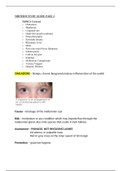
MIDTERM STUDY GUIDE: PART-1 TOPICS Covered o Chalazions o Blepharitis o Conjunctivitis o Hand-foot-mouth syndrome o Strep pharyngitis o Kawasaki disease o Rheumatic fever o Milia o Port-wine stain/Nevus flammeus o Salmon patch o Café-au lait spot o Impetigo o Molluscum Contagiosum o Verruca Vulgaris o Herpetic Whitlow CHALAZIONS – Benign, chronic lipogranulomatous inflammation of the eyelid Causes – blockage of the meibomian cyst Risk – hordeolum or any condition which may impede flow through the meibomian gland. Also mite species that reside in lash follicles Assessment – PAINLESS, NOT INVOLVING LASHES Lid edema, or palpable mass Red or grey mass on the inner aspect of lid margin Prevention – good eye hygiene Treatment – warm, moist compresses 3x per day Antibiotics not indicated because chalazion is granulomatous condition, if secondarily infected consider SULFACETAMIDE, ERYTHROMYCIN Follow up – 2-4 weeks, if still present after 6 weeks follow up with ophthalmologist BLEPHARITIS – Inflamation/infection of the lid margins (chronic problem) 2 types – seborrheic (non ulcerative) : irritants (smoke, make up, chemicals) s&s – chronic inflammation of the eyelid, erythema, greasy scaling of anterior eyelid, loss of eyelashes, seborrhea dermatitis of eyebrows and scalp Ulcerative- infection with staphylococcus or streptococcus s&s – itching, tearing, recurrent styes, chalazia, photophobia, small ulceration at eyelid margin, broken or absent eyelashes • the most frequent complaint is ongoing eye irritation and conjunctiva redness Treatment – clean with baby shampoo 2-4 times a day, warm compresses, lid massage (right after warm compress) For infected eyelids – antistaphyloccocal antibiotics BACITRACIN, ERYTHROMYCIN 0.05% for 1 week AND QUIONOLONE OINTMENTS For infection resistant to topical – TETRACYCLINE 250 MG PO X4 DOXYCYCLINE 100 MG PO X2 CONJUCTIVITIS – inflammation or irritation of conjuctiva Bacterial (PINK EYE) – in peds bacteria is the mosts common cause, contact lens, rubbing eyes, trauma, S&S – purulent exudate, initially unilateral, then bilateral Sensation of having foreign body in the eye is common Key findings – redness, yellow green, puru,ent discharge, crust and matted eyelids in am Self limiting 5-7 days. Eye drops – polytrim, erythromycin, tobramycin or cipro Improvement 2-4 days Most common organism H. influenza 7 Viral – adenovirus, coxsackie virus, herpes, molluscum S&S – profuse tearing, mucous discharge, burning, concurrent URI, enlarged or tender preauricular nose Antihistamines/decongestant Improvement, self limiting, 7-14 days Chlamydial – chlamydia trachomatis S&S – profuse exudate, associated with genitourinary symptoms, 1-2 weeks after birth Gonococcal – 2-4 days after birth, most concern can cause blidness PO azithromycin, doxycycline (tetracyclines increase photosensitivity, don’t use in pregnancy) Improvement 2-3 weeks Allergic – IgE mast cell reaction, environmental, cosmetics S&S – marked conjuctival edema, severe itching, tearing, sneezing Topical antihistamine or topical steroids Improvement 2-3 days Chemical –thimerosal, erythromycin, silver nitrate S&S conjuctival erythema, 30 minutes afer prophylactic antibiotics drops Avoid contact Can consider steroids Conjunctivitis never accompany vision changes Diagnostic studies: swap and scraping must be done, gram and Giemsa staining, ELISA, PCR testing, newborn 2 weeks needs to be tested for gonorrhea Non –pharm – clean towels, change pillows, warm compress, no contacts, no eye make up – mascara Gonococcal conjunctivitis: newborn – give Ceftriaaxone IM once (don’t give if hyperbilirubinemia, Non-gonococcal – erythromycin 0.5% ointment Consider fluorescein staining if abrasion suspected CDC recommends prophylactic administration of antibiotic eye ointment (ERYTHROMYCIN) 1 hour after delivery Refer to ophthalmologist if herpes, hemorrhagic conjunctivitis or ulcerations present May return to work/school 24 hours after topical HAND-FOOT-AND-MOUTH DISEASE – HIGHLY CONTAGIOUS, viral illness clinical entity evidenced by fever, vesicular eruptions in the oropharynx that may ulcerate and a maculopapular rash involving hands and feet, the rash evolves to vesicles, especially on the dorsa of the hands and feet. Last 1 to 2 weeks. lesions appear on the buccal mucosa, palate, palms of hands, soles of feet and buttocs most common cause – COXSACKIE A 16 common in children 5 S&S – low grade fever, malaise, abdominal pain, enlarged anterior cervical nodes or submandibular Oral – small red papules on the tongue and buccal mucosa, which will progress to ulcerative vesicles EXANTHEM (papulovesicular) – occurs 1-2 days after oral lesions Differential – herpangina, Stevens- Johnson syndrome Treatment – maintain hydration, cool liquids, avoid spicy food, rest Topical aluminum hydroxide/ magnesium hydroxide gel with diphenhydramine applied to painful lesions Topical anesthetics – Kank A, Orabase Resolution with 7 days STREP PHARYNGITIS – An acute inflammation of pharynx/tonsils, associated with crowding (school) rare in children 3 Viral – rhinovirus, adenovirus, parainfluenza, Epstein-barr virus Bacterial- group A beta hemolytic streptococcus Risk – family hx of rheumatic fever, day care S&S – sore throat, tonsillar exidate, malaise Strep: cervical adenopathy, fever 102F, no cough or nasal congestion, petechiae on soft palate, “Beefy Red” tonsils, “sandpaper” rash (nose, neck and torso), abdominal pain, headache Suggestive of viral : conjunctivitis, nasal congestion, cough, diarrhea When cough - almost always exclude Streptococcus Tests – rapid strep test CBC: WBC shift to left Monospot if mono suspected Treatment: gargling with salt water, change toothbrush, incubation period 2-5 days PCN – one IM or 10 days treatment PO First generation cephalosporins – 10 days treatment Azithromycin (if PCN allergy) Consult/referral – evidence of acute renal failure and reddish, tea collared urine (2-3 weeks post infection) No longer contagious after 24 hours on antibiotics, peak fever on days 2and 3, last 4-10 days KAWASAKI DISEASE (also known as mucocutaneous lymph nodesyndrome or infantile polyarteritis– an acute, febrile, immune-medicated, self-limited disease characterized by vasculitis. Leading cause of acquired heart disease in children 85% 5 years old most prevalent in Japan S&S Stage 1 -Acute (1-2 weeks) – high fever 103-105 for at least 5 days unresponsive to antibiotics, oral mucosa lesions may last 1-2 weeks, perineal rash, non-tender cervical adenopathy, painful rash and edema on feet Diagnosis requires fever for 5 days and 4 of these criteria: Edema or erythema of hands and feet, conjuctival injection (bilat), cervical adenopathy, rash (non-vesicular and polymorphous), exudative pharyngitis, diffuse oral arythema, STRAWBERRY TONGUE, crusting of lips and mouth Stage 2 - Subacute (2-8 weeks after onset) – without treatment: desquamation of palms, feet, periungual area, coronary artery aneurysm, joint aches and pains, acute MI may be seen, Pancardidis, diarrhea, jaundice, hepatosplenomagaly, platelet couns 10, 000 000 per mm Stage 3 – Convalescent – clinical signs have resolved, completed when all lab values are normal, however nail changes include Beau lines (deep transverse grooves across the nails) It is a fatal disease in small % of children who develop coronary artery problems despite treatment Differentials: Group A strep: scarlet fever Measles Epstein barr Toxic shock Rocky mountain spotted fever Steven-johnson syndrome Juvenile RA Tests: based on S&S and diff CBC, anemia, platelets 50% 450 000 ESR 100 C-reactive protein EKG – prolonged PR intervals, decrease QRS Chest Xray – dilated heart, pleural effusion Pyuria/mild proteinuria Pharmacology IVIG single dose of 2g/kg for over 12 hours in the first 10 days Aspirin 80-100 mg/kg/d in 4 doses (Reye’s syndrome) Complications MI Development and rupture of coronary artery aneurysm may lead to emboli, HF, heart valve problems, dysrhythmias, myocarditis RHEUMATIC FEVER – An inflammatory disease that develops in 1-3% of children who have untreated infection with group A strep (GAS). This can affect the heart, blood vessels, joints , skin, CNS, connective tissues S&S – hx of pharyngitis 2-4 weeks prior onset of symptoms. Modified Jones criteria used to diagnose patient: 2 major, or 1 major and 2 minor criteria must be presented as evidence Major – carditis: 65% have with murmurs Polyarthritis:75% Chorea: 15% Erythema marginatum (macular rash with erythematous border Subcutaneous nodules Minor Fever 101-104F Artharlgias Elevated ESR, C-reactive protein Prolonged PR intervals on EKG Tests: throat cultures, negative antigen test ESR, C-reactive protein ASO tites EKG Chest xray CBC Treatment: first line PCN, if allergic Azithromycin Prednisone Aspirin AHA 2010 no longer recommends prophylaxis treatment for endocarditis in those with rheumatic fever PEDIATRIC BENIGN SKIN LESIONS MILIA (superficials cysts filled with keratin) – white papules found on the forehead, face, chin, and cheeks of infants, 1-2 mm in size, disappear few weeks after birth, may appear on palate – EPSTEIN’S PEARLS’S PORT-WINE STAIN (Nevus flammeus) – permanent defect that grows with child, if forehead and eyelids are involved, there is potential for multiple symptoms, includidng Sturge-Weber, Klippel-Trenaunay-Weber and Parkes Weber. Flat port wine stain- dark red to deep purple lesions present at birth, frequently found on face, do not fade with time SALMON PATCH – fade with time, usually by 5 or 6 years old, no treatment needed. Salmon patches (called a "stork bite" at the back of the neck or an "angel's kiss" between the eyes) are simple nests of blood vessels (probably caused by maternal hormones) that fade on their own after a few weeks or months. Occasionally stork bites never go away. CAFÉ AU LAIT SPOT – smooth, regular borders, Child 5, 6 or more , 1.5 cm - possible Von Recklinghausen’s disease (90 -100%) *LEOPARD syndrome (Lentigines, Electrographic abnormalities, Ocular hypertelorism, Pulmonary stenosis, Abnormalities of genitalia, Retardation of growth, Deafness In child 5 years, 5 or more , 0.5 cm suggests neurofibromatosis Smaller 1-4 cm in diameter I axillae ( axillary freckling or Crow’s sign) rare but diagnostic sign of neurofibromatosis HEMANGIOMA – (dilation of capillaries) – raised, cavernous: appear bluish, located deep beneath the skin, NOT present at birth, appear within a few month and then disappear before the end of first decade of life. Capillary- STRAWBERRY hemangiomas : bright red vascular overgrowth, elevated, vary in size Possible steroids IMPETIGO – Superficial infection of the skin which begins as small superficial vesicles which rupture and form honey colored crust 2- 5 years Bullous – is caused by Staphyloccocus aureus or group A strep Non – Bullous – MRSA 1-2 mm vesicles which rupture and form honey colored crusts, weeping shallow red ulcer common on mouth, face, nose, or site of insect bites fluid filled vesicles 0.5 cm appear as red macules and papules or pustules regional lymphadenopathy Treatment: good hygiene, hand washing Mupirocin (Bactroban) topical – 3x a day, don’t use 2 month Retapamulin (Altabax) - 9 months, apply thin film 2 x a day For large area- first generation cephalosporin, if unable to use PCN, consider macrolide Resolve within 7-10 days MOLLUSCUM CONTAGIOSUM Molluscum contagiosum is an infection caused by a poxvirus (molluscum contagiosum virus). The result of the infection is usually a benign, mild skin disease characterized by lesions (growths) that may appear anywhere on the body. Within 6-12 months, Molluscum contagiosum typically resolves without scarring but may take as long as 4 years. The lesions, known as Mollusca, are small, raised, and usually white, pink, or flesh-colored with a dimple or pit in the center. They often have a pearly appearance. They’re usually smooth and firm. In most people, the lesions range from about the size of a pinhead to as large as a pencil eraser (2 to 5 millimeters in diameter). They may become itchy, sore, red, and/or swollen. Mollusca may occur anywhere on the body including the face, neck, arms, legs, abdomen, and genital area, alone or in groups. The lesions are rarely found on the palms of the hands or the soles of the feet. The virus that causes molluscum spreads from direct person-to-person physical contact and through contaminated fomites. Fomites are inanimate objects that can become contaminated with virus; in the instance of molluscum contagiosum this can include linens such as clothing and towels, bathing sponges, pool equipment, and toys. Although the virus might be spread by sharing swimming pools, baths, saunas, or other wet and warm environments, this has not been proven. TREATMENT- Because molluscum contagiosum is self-limited in healthy individuals, treatment may be unnecessary. Nonetheless, issues such as lesion visibility, underlying atopic disease, and the desire to prevent transmission may prompt therapy. Other options for topical therapy include iodine and salicylic acid, potassium hydroxide, tretinoin, cantharidin VERRUCA VULGARIS - WART painless, benign skin tumors which are viral and can be transmitted by touch HPV 6 or 11 Common wart – rough surface, elevated, flesh-colored papules Avoid contact with wart exudate from self Treatment- paring and debridement of wart prior to any treatment Soak in warm water, occlude with waterproof tape for 1 week and leave open to air for 8-12 hours, then reocclude for 1 week Topical Duofil, Oclussal Hp must be applied up to 12 weeks CRYOTHERAPY with liquid nitrogen ( 5 second freeze until an ice ball forms Warts resistant to treatment - biopsy Herpetic Whitlow • occurring on a finger or thumb, is a swollen, painful lesion with an erythematous base and ulceration resembling a paronychia. • It occurs on fingers of thumb-sucking children with gingivostomatitis or adolescents with genital HSV infection. • Lesions occur in children of all ages, are contagious as long as they are present, and have an incubation period of 2 to 12 days. • Primary lesions usually occur before 5 years old, are more painful and extensive, and last longer. S&S - primary herpes, fever, malaise, sore throat, and decreased fluid intake - Deep-appearing vesicles on fingers Diagnostic Studies • A Tzanck smear can be done on fluid from the lesions to identify epidermal giant cells, but does not distinguish HSV-1 from HSV-2. • Viral cultures are the gold standard for definitive diagnosis. • Direct fluorescent antibody (DFA) tests, enzyme-linked immunosorbent assay (ELISA) serology, and polymerase chain reaction (PCR) tests are usually only used with severe forms of HSV infection. Management • Burrow solution compresses three times a day to alleviate discomfort • Oral acyclovir 200 mg five times a day for 5 to 10 days may speed healing of herpetic whitlow • Antibiotics for secondary bacterial (usually staphylococcal) infection: • Offer supportive care, such as antipyretics, analgesics, hydration, and good oral hygiene • Recurrent, frequent, and severe HSV infection may be treated with acyclovir prophylaxis for 6 month. MIDTERM STUDY GUIDE PART TWO: - TOPICS COVERED o Diarrhea Acute Chronic o C-difff o EColi o Rotavirus o Salmonella o Pyloric stenosis o Intussusception o Celiac disease o Juvenile idiopathic arthritis o Osteomyelitis o Juvenile rheumatoid arthritis o Dysplasia of the hip o Week-4, Lesson:2 o Contraceptives o Testicular torsion o Wilms tumor o Week-4, lesson:3 o Iron-deficicency anemia o Febrile seizure Diarrhea - Do not give hypotonic fluids to prevent hyponatremia - Diarrhea o Contains 10-90 sodium, 10-80 potassium, and 40 HCO3 o S& S of dehydration:- lack of external jugular venous filling when supine, sunken fontanelle, oliguria, AMS, decreased cap refill. Total body water makes 50-75% of total body mass Highest in infants and young children Acute Diarrhea • is a disruption of the normal intestinal net absorptive versus secretory mechanisms of fluids and electrolytes, resulting in excessive loss of fluid into the intestinal lumen. • This can lead to dehydration, electrolyte imbalance, and in severe cases, death • In children younger than 2 years old, this translates to a daily stool volume of more than 10 mL/kg (this definition excludes the normal breastfeeding stooling of five or six stools per day). • In children older than 2 years old, diarrheal stooling is described as occurring four or more times in 24 hours. The duration can last up to 14 days. Epidemiology • Females have higher rates of Campylobacter species infections and hemolytic uremic syndrome; • otherwise the incidence of cases shows no gender preference. Nontyphoidal Salmonella, Shigella, Campylobacter, E. coli organisms (bacteria); rotavirus, norovirus, • In the United States, those most vulnerable include Native Americans and Native Alaskans, • The most common viral pathogens are noroviruses and rotavirus, followed by adenoviruses and astroviruses. • Food-borne bacterial or parasitic diarrheal diseases are most commonly due to Salmonella and Campylobacter species, followed by Shigella, Cryptosporidium, E. coli O157:H7, Yersinia, Listeria, Vibrio (Vibrio cholerae and other species), and Cyclospora species. potentially serious infection in the upper intestine indicators • Food-borne illness suspected • Bloody diarrhea, weight loss, dehydration, severe abdominal pain, and fever • Diarrhea lasting several days with more than three stools per day • Neurologic involvement on physical examination Diagnostic Studies Diagnostic studies are ordered if the symptoms of more serious infection are present. • Stool examination & Stool cultures • Electrolytes • CBC Management The foundation of all treatment of acute diarrhea is fourfold: • Restore and maintain hydration and correct/maintain electrolyte and acid-base balance. - Oral rehydration with an oral electrolyte solution should be attempted when dehydration is assessed between 3% and 9%. • Antibiotics are recommended for acute diarrhea caused by G. lamblia, V. cholerae, and Shigella species and can be considered for infections caused by E. coli(if infection prolonged), Yersinia for those with sickle cell disease, and Salmonella in young infants with fever or positive blood culture findings . - Children with HIV at risk for acute diarrhea may benefit from cotrimoxazole and vitamin A - Flagyl (1st line for c-diff) Amoxicillin (salmonella, shigella), azithromycin, vanco & Cipro (ecoli, c-diff), ceftriaxone. • loperamide in children older than 3 years old is safe and decreases the duration and frequency of diarrhea - Children younger than 3 years old and those who are malnourished, those with moderate or severe dehydration, those who are systemically ill, or those who have bloody diarrhea should not be treated with this drug - Some over-the-counter products intended for diarrhea contain salicylates (e.g., Pepto-Bismol), and there is concern for Reye syndrome. Chronic Diarrhea - Chronic diarrhea is defined as loose stools of less than 10 mL/kg/day in infants and less than 200 g/24 hours in older children. continuing diarrheal illness that started as acute diarrhea and is affecting growth. - TABLE 33-13 Common Causes of Chronic Diarrhea Seen in Children Age Conditions 0 to 6 months old • Carbohydrate malabsorption (acquired, congenital) (e.g., CMPI) • Protein hypersensitivity • Excessive intake of formula or other fluid (water, juice [especially those containing sorbitol/fructose], high-carbohydrate liquids) • Postenteritis • Infections • CF or other fat absorption conditions • Neuroblastoma (rare) • Immunodeficiency (e.g., HIV/AIDS and others) • Lymphangiectasia (rare) • Hirschsprung disease • Neonatal or infant enteropathies (rare) • Radiation treatments 7 to 24 months old First eight bulleted conditions listed above plus: • Chronic nonspecific diarrhea • Small-bowel overgrowth • Celiac disease • Graft-versus-host enteropathy • Autoimmune enteropathy • Radiation treatments 24 months old • Excessive intake of fruit juice/high-carbohydrate drinks • Infections • Small-bowel bacterial overgrowth • Celiac disease • Munchausen syndrome by proxy • Grant-versus-host enteropathy • Carbohydrate malabsorption • IBS • Adult-type hypolactasia • Encopresis • IBD (e.g., Crohn disease) • Excessive use of laxatives • Radiation treatments • Acquired lactase deficiency in older children, primarily of African, Asian, or Middle Eastern descent • Perforated appendix History and Physical • Occurrence of three or more watery stools per day for more than 2 weeks; 10 watery/runny stools per day that often contain undigested food particles is more typical of “toddler's diarrhea” • Presence of red flags: • Hematochezia or melena • Persistent fever • Weight loss or growth arrest • Anemia • Weight and height measurements; any weight loss • Growth retardation • Clubbing of fingers • Abdominal examination • Rectal examination (skin tags, impaction, tenderness) Diagnostic Studies • Stool: Culture, O&P (best done on three specimens collected on separate days), pH, reducing substances, occult blood, leukocytes, fat and fecal elastase (to evaluate for pancreatic insufficiency) (Normal stool pH greater than 5.5 indicates negative carbohydrate.) • CBC with differential, electrolytes, and albumin • UA and culture in young children The following are ordered as indicated by the history, physical examination, and consideration of differential diagnoses: • ESR, CRP • Hormonal studies to assess for secretory tumors (vasoactive intestinal peptide, gastrin, secretin, urine assay for 5-hydroxytryptamine [5-HT]) • Breath hydrogen test for lactose or sucrose intolerance (difficult to assess in infants) • Viral serologies, such as HIV or CMV • Sweat chloride test • Endoscopy, barium studies Management • Treat the underlying cause. • Chronic nonspecific diarrhea (toddler's diarrhea): Normalize the diet; remove offending foods and fluids; eliminate sorbitol and fructose-containing fluids; reduce fluid intake to no greater than 90 mL/kg/24 hours (give half of fluid as milk [whole or 2%]); increase fat to 35% to 40% of the diet; and increase fiber to bulk up stools. • Treat carbohydrate malabsorption by decreasing lactose or sucrose; add lactase or sacrosidase as indicated by particular carbohydrate intolerance. • Post-gastroenteritis malabsorption syndrome (evidenced in infants with weight loss and fat globules in the stool) can be given a predigested formula (e.g., Pregestimil or Alimentum), if tolerated, for 3 to 4 weeks (elemental formula can be used if those are not tolerated). Refer the following patients to a gastroenterologist: Newborns with diarrhea in first hours of life; patients with growth delay or failure or abnormal physical findings (anorexia, abdominal pain, chronic bloating, vomiting, or weakness); or those with severe illness. Pyloric stenosis Patho: - Pyloric stenosis is the narrowing of the lower portion of the stomach that leads into the small intestine. - The muscles of the stomach thicken, narrow the pylorus and prevent food from moving from the stomach to the intestine. - The environment and genetics play a role. sign and symptoms: - forceful projectile vomiting, olive shaped abdominal mass, visible peristalsis, weight loss, dehydration, fewer bowl movements, constipation, jaundice and lack of energy. diagnosis - included a firm olive mass in the mid abdomen - Blood tests, barium swallow and abdominal ultrasound Treatment - Pyloric stenosis is treated with IV fluids and then pyloromyotomy is performed. - This surgery uses an open or laparoscopic approach that opens up the tight muscle that caused the narrowing. - The outcome is great, there is only 1% chance for pyloric stenosis to occur Intussusception Pathophysiology Is a condition where the one section of the intestine folds into the another section of the intestine resulting in obstruction. The proximal bowel is trapped in the distal segment o The trapped bowel can exert pressure on the walls which squeezes the blood vessels and leads to ischemia and infarction Cause: Most cases are idiopathic, but many cases were associated with hyperplastic lymphoid tissue, suggesting an infectious cause, Predisposing factors include:- polyps, Meckel diverticulum, constipation, lymphomas, lipomas, parasites, rotavirus, adenovirus, and foreign bodies Risk factors: Infants between 6 and 12 months Male gender History of previous intussusception History of intestinal malrotation Family history Prior viral illness Epidemiology - It is considered to be the most common cause of intestinal obstruction in children older than 3 months up to 6 years. In the US, intussusception occurs in 18 to 56 per 100,000 infants It most commonly occurs in infants between 5 and 10 months of age. 2/3 of the intussusception happens in infants under one year of age, but it even occur in adults Signs and symptoms Classical triad symptoms include intermittent/ colicky abdominal pain, vomiting, and bloody mucous stools characterized as “currant jelly”) Emesis is usually nonbilious. Other symptoms include lethargy, history of URI, fever, sausage like mass in the right upper quadrant or in right lower when abdomen is empty, tender and distended abdomen Diagnostic Studies The most accurate diagnostic tool recommended is an abdominal ultrasound. It shows “bull’s eye” which is telescoped intestine on end. Other diagnostic tools such as x-ray , CT, and Air contrast enema can also be used Management Intussuception can develop suddenly putting the infant at a potential risk for developing ischemia and possible infection and even sepsis. Therefore, rapid treatment is necessary. MEDICAL EMERGENCY Rehydration and correction of electrolyte imbalance is very important. After correction of dehydration and electrolyte imbalance, the gold standard is radiologic reduction via air contrast enema under fluoroscopy The Outcome of air or contrast enema reduction is 100% cure, but 10% recurrence has been identified. Surgical reduction is also associated with a recurrence rate of 2 to 5%. Celiac disease • Malabsorption syndromes can be caused by many different genetic, congenital, and acquired conditions and usually lead to an initial decrease in weight followed by a deceleration in height velocity. • Celiac disease is an immune-mediated systemic disorder triggered by dietary exposure to wheat gluten and related proteins in barley and rye. • It is characterized by the presence of a variable combination of gluten-dependent clinical manifestations, celiac disease–specific antibodies, HLA-DQ2.5 or HLA-DQ8 haplotypes, and enteropathy. • Celiac disease has a worldwide distribution with overall prevalence of 1% Risk factors - Demographic changes - Increased gluten exposure - infants born by cesarean section; - The most typical presentation occurs between 6 months and 2 years old. Parent reported gastroenteritis occurring at the time gluten was introduced into the child's diet does not appear to be associated with celiac disease. Clinical Findings • Chronic or intermittent diarrhea, persistent or unexplained GI symptoms (e.g., nausea and vomiting), sudden or unexpected weight loss, and prolonged fatigue. • Delayed puberty can coexist with malabsorption, Impaired growth, FTT, unexplained iron deficiency anemia, abdominal distention, bloating or cramping pain • May have no symptoms at all despite evidence of small bowel changes; • maintain a high suspicion for celiac disease in children with metabolic bone disease (such as rickets or osteomalacia), low-trauma fractures, or those with dental enamel defects. • An estimated 85% to 90% of individuals with celiac disease are undiagnosed • Pallor, fatigue, hair and dermatologic abnormalities, digital clubbing, dizziness, cheilosis, glossitis, peripheral neuropathy (symptoms of vitamin deficiency seen with malabsorption), Skinfold thickness and lean body mass Diagnostic Studies • See chronic diarrhea tests Specific Tests for Celiac Disease • Serologic testing should be done if there is clinical suspicion of celiac disease, the child has an associated disorder, or there is a first-degree relative with celiac disease. Gluten should be eaten in more than one meal every day for 6 weeks prior to testing. • Recommended serologic tests include IgA tissue transglutaminase antibody (tTGA) and IgA endomysial antibody (EMA) because of their high sensitivity and specificity • EMA is more expensive and less accurate in children younger than 2 years old • Home blood testing is not recommended • If serologic testing is positive, refer for endoscopy with biopsy for a definitive diagnosis, although colonoscopy may not be necessary if the tTGA level is greater than 100 units/mL • Careful follow-up of growth parameters, tTGA testing after 6 months of gluten-free diet (GFD), and then yearly • Bone density testing (bone problems may be first symptom of celiac disease). Management Celiac Disease • A strict GFD for life is currently the only effective treatment for celiac disease. • The standard for being gluten-free is a limit of 20 ppm of gluten • Adding pure oats to a GFD can improve palatability and increase fiber and vitamin B intake without causing a systemic or autoantibody response Complications and Prognosis • Growth failure is the primary complication of celiac disease. • risk for fractures and osteoporosis (due to reduced bone mineral density), lymphoma, autoimmune diseases (e.g., type 1 diabetes, thyroid disorders), primary biliary cirrhosis, and primary sclerosing cholangitis. • Sensory peripheral neuropathy may be related to gluten • Celiac crisis consisting of abdominal distention, explosive watery diarrhea, dehydration with hypoproteinemia, electrolyte imbalance, hypotensive shock, and lethargy, although rare, can be the first indication of celiac disease. TABLE 33-11 Diarrheal Illnesses Due to Common Bacterial or Viral Pathogens Etiology Incubation Period Signs and Symptoms Duration of Illness Route of Transmission Laboratory Testing Treatment and Complications* Clostridium difficile Unknown Variety of symptoms and severity are seen: mild to explosive diarrhea, bloody stools, abdominal pain, fever, nausea, vomiting Mild to moderate illness is characterized by watery diarrhea, low-grade fever, and mild abdominal pain During or after several weeks of antibiotic use; can occur without being associated with such treatment Acquired from the environment or from stool of other colonized or infected people by the fecal-oral route Stool cultures; enzyme immunoassay for toxin A, or A and B; positive gross blood, leukocytes; CBC: ↑ WBCs; ESR normal Discontinue current antibiotic (any antibiotic, but notably ampicillin, clindamycin, second- and third-generation cephalosporins). Fluids and electrolyte replacement are usually sufficient. If antibiotic is still needed or illness is severe, treat with oral metronidazole (drug of choice in children) or vancomycin for 7 to 10 days. Supplement with probiotics. Lactobacillus GG, Saccharomyces boulardii are recommended (Jones, 2010; Shane, 2010). Complications include pseudomembranous colitis, toxic megacolon, colonic perforation, relapse, intractable proctitis, death in debilitated children. Enterohemorrhagic Escherichia coli(EHEC) including E. coli O157:H7 and other Shiga toxin–producing E. coli(STEC) 1 to 8 days Severe diarrhea that is often bloody, abdominal pain and vomiting Usually little or no fever More common in children 4 years old 5 to 10 days Undercooked beef, especially hamburger, unpasteurized milk and juice, raw fruits, vegetables (e.g., sprouts, spinach, lettuce), salami (rarely) Contaminated water; petting zoos Stool culture; E. coli O157:H7 requires special media to grow. If E. coliO157:H7 is suspected, specific testing must be requested. Shiga toxin testing may be done using commercial kits; positive isolates should be forwarded to public health laboratories for confirmation and serotyping. Stool grossly positive for blood. Supportive care: Monitor CBC, platelets, and kidney function closely. E. coli O157:H7 infection is also associated with HUS, which can cause lifelong complications. Studies indicate that antibiotics may promote the development of HUS. Enterotoxigenic E. coli(ETEC) and enteroadherent E. coli (frequent cause of traveler's diarrhea) 1 to 3 days Watery diarrhea, abdominal cramps, some vomiting; often cause of mild traveler's diarrhea 3 to 7 days Water or food contaminated with human feces Stool culture. ETEC requires special laboratory techniques for identification. If suspected, must request specific testing. Supportive care: Antibiotics are rarely needed except in severe cases. Recommended antibiotics include TMP-SMX and quinolones. See Rotavirus 1 to 3 days; prevalent during cooler months in temperate climates Acute-onset fever, vomiting, and watery diarrhea occur 2 to 4 days later in children 5 years old, especially those between 3 to 24 months old 3 to 8 days Fecal-oral; viable on inanimate objects; rarely contaminated water or food Enzyme immunoassay and latex agglutination assays for group A rotavirus antigen; virus can be found by electron microscopy and specific nucleic acid amplification methods. Supportive care: May need to correct dehydration and electrolyte imbalances. Oral IG has been used in those immunocompromised. Preventive care: Rotavirus vaccine; hygiene and diapering precautions in day care facilities. Salmonella spp. 1 to 3 days Diarrhea, fever, abdominal cramps, rebound tenderness, vomiting. S. typhi and S. paratyphi produce typhoid with insidious onset characterized by fever, headache, constipation, malaise, chills, and myalgia; diarrhea is uncommon, and vomiting is not usually severe 4 to 7 days Contaminated eggs, poultry, unpasteurized milk or juice, cheese, contaminated raw fruits and vegetables (alfalfa sprouts, melons) S. typhi epidemics are often related to fecal contamination of water supplies or street-vended foods Routine stool cultures; positive leukocytes and gross blood. CBC: WBC can be slightly ↑ with left shift, ↓, or normal. Supportive care: Only consider antibiotics (other than for S. typhi or S. paratyphi) for infants 3 months old, those with chronic GI disease, malignant neoplasm, hemoglobinopathies, HIV, other immunosuppressive illnesses or therapies. If indicated, consider ampicillin or amoxicillin, azithromycin, or TMP-SMX; if resistance shown to any of those, use IM ceftriaxone, cefotaxime; or azithromycin or quinolones. A vaccine exists for S. typhi in certain cases. Juvenile idiopathic arthritis and osteomyelitis Condition Age pain Historical Findings Clinical Findings Causative Factors Management Juvenile arthritis (JA) Child to 16 yearof age + Fever, rashes, ↑ WBCs; some iritis; joint stiffness and swelling; S&S 3 months Mono-/polyarticular arthropathy; + ANA (25% to 88%); ↑ ESR in moderate/severe JA Unknown; genetic (HLA) or environmental Treat with NSAIDs initially; may need sulfasalazine, methotrexate; corticosteroids; joint replacements when older Acute Hematogenous osteomyelitis Toddler, child, adolescent + Varied: malaise, low-grade to high fever; may have severe constitutional symptoms; toxicity Refusal to walk or move limb; point tenderness; limp; 7 to 10 days to see radiographic bony changes; 25% ↑ WBCs; ↑ CRP S.aureus Organism (Likely) Appropriate antibiotic coverage (generally 7 days, IV; 4 to 6 weeks total or until ESR normal) Juvenile Idiopathic Arthritis • Also as juvenile rheumatoid arthritis (JRA), now encompasses several disorders that have a common feature of arthritis. • The diagnosis of JIA requires a persistent arthritis for more than 6 weeks in a pediatric patient younger than 16 years old. TABLE 25-1 Juvenile Idiopathic Arthritis Subtypes and Clinical Joint Characteristics Juvenile Idiopathic Arthritis Subtype Clinical Joint Characteristics Oligoarticular Four or less joints with persistent disease never having more than four-joint involvement and extended disease progressing to more than four joints within the first 6 months Polyarticular (RF negative) Five or more joints with symmetrical involvement Polyarticular (RF positive) Symmetric involvement of both small and large joints with erosive joint disease Systemic Either polyarticular or oligoarticular disease Enthesitis-related arthritis Weight-bearing joints involved especially hip and intertarsal joints and a history of back pain, which is inflammatory in nature or sacroiliac joint involvement Psoriatic arthritis Asymmetric or symmetric small or large joints Undifferentiated Most forms of JIA have unclear • environmentally induced in genetically predisposed individual. • Human leukocytic antigen (HLA) class I and II alleles have been associated with JIA • An environmental trigger, such as infection or trauma, is also important in the pathogenetic process in JIA. Systemic juvenile idiopathic arthritis (SJIA) • does not have HLA gene association, • may be the result of an autoinflammatory response from the innate immune system. • The female to male ratio in systemic onset is equal Oligoarticular and rheumatoid factor (RF)-positive polyarticular JIA • there is autoimmunity with involvement of the adaptive immune system • The presence of positive ANAs and RF is associated with HLA genes. • Approximately 1 in 1000 children are affected with oligoarticular JIA, the most common arthritic subtype. • The rate of JIA is significantly higher in girls than in boys, typically in oligoarticular and pauciarticular JIA. • The approximate percentage of occurrence and age breakdown for each of the subtypes follows: systemic (10%) occurs at any age; polyarticular (40%) has a late (6 to 12 years old) or early childhood (1 to 4 years old) onset; and oligoarticular (50%) has a late or early onset. • Adolescents tend to have more RF-positive disease Clinical Findings • Pain—generally a mild to moderate aching • Joint stiffness—worse in the morning and after rest; arthralgia may occur during the day • Joint effusion and warmth, tenderness • Non-migratory monoarticular or polyarticular involvement of large or proximal interphalangeal joints for more than 3 months • Systemic manifestations—anorexia, fatigue fever, salmon-colored rashes, leukocytosis, serositis, lymphadenopathy, and rheumatoid nodules, uveitis - growth failure, or leg-length discrepancy if unilateral. • Loss of joint range of motion and function; child typically holds the affected joints in slight flexion and may walk with limp Diagnostic Studies - JIA is a diagnosis of exclusion. - physical findings and history of arthritis lasting for 6 weeks or longer. o polyarticular and systemic-onset typically have elevated acute-phase reactants and anemia of chronic disease. o positive RF occurs in less than 10% of children with JIA and rarely in those with SJIA. o ANA may be present in up to 50% of children with oligoarticular disease o The anti-CCP antibody test is highly specific in polyarticular JIA o Useful laboratory tests include a complete blood count (CBC) (to exclude leukemia); ESR, CRP, Lyme titers, and liver function tests. The results may reveal lymphopenia, anemia, elevated transaminases, and hypoalbuminemia; however, laboratory studies may be normal in these children. o Imaging studies (MRI) can help in managing joint pathologic conditions. o Analysis of synovial fluid is not helpful in the diagnosis of JIA. Management o Ophthalmology referral and evaluation is critical in a child with a positive ANA (Uveitis) o The main treatment goals are to suppress inflammation, preserve and maximize joint function, prevent joint deformities, and prevent blindness. o there is no curative treatment o Aggressive early treatment to induce a remission is a key consideration in JIA management in order to prevent deformity and improve o Aspirin therapy has largely been replaced with the use of nonsteroidal anti-inflammatory drugs (NSAIDs). o NSAIDs: Children with oligoarthritis generally respond well to NSAIDs o Ibuprofen: 30 to 40 mg/kg/day three to four divided doses (maximum single dose is 800 mg; maximum daily dose 2400 mg/day) o Naproxen, Indomethacin, Celecoxib (Older than 2 years old and adolescents) o Oral, parenteral, intraarticular corticosteroids: o Disease-modifying antirheumatic drugs (DMARDs o Nonbiologic DMARD treatment: methotrexate, sulfasalazine, leflunomide (managed by pediatric rheumatologist) o Physical therapy—range of motion muscle-strengthening exercises and heat. Rest and splinting are used if indicated. passive, active, and resistive exercises o Ophthalmologic follow-up every 3 months for 4 years (even if it has resolved) for all ANA-positive JIA children. The disease process of JIA wanes with age and completely subsides in 85% of children; however, systemic onset, a positive RF, poor response to therapy, and the radiologic evidence of erosion are associated with a poor prognosis. Onset of disease in the teenage years is related to progression to adult rheumatoid disease. Dysplasia of the hip • The femoral head and the acetabulum are in improper alignment and/or grow abnormally. • Includes:- dysplastic, subluxated, dislocatable, and dislocated hips. • Dysplasia is characterized by a shallow more vertical acetabular socket with an immature hip/acetabulum. • Dysplasia may be diagnosed many years after the newborn period. Risk factors o hormonal effect of maternal estrogen and relaxin that are released near delivery and produce a temporary laxity of the hip joint. o Mechanical factors in utero o This is seen with first pregnancy, oligohydramnios, and breech presentation, 4x more in girls, positive family history (genetic risk factors) increases o Increased in cultures swaddle infants in extended position or cradleboard placement o In the newborn, the left hip is most often involved because this hip typically is the one in a forced adduction position against the mother's sacrum. o 60 to 80% of abnormal hips of newborns resolves by 2 to 8 weeks (self-limiting, but close observation) Clinical Findings. In the older infant, 6 to 18 months old: • Limited abduction of the affected hip and shortening of the thigh is a reliable sign • Normal abduction with comfort is 70 to 80 degrees bilaterally. • Limited abduction less than 60 degrees of abduction or unequal abduction • Positive Galeazzi sign • Asymmetry of inguinal or gluteal folds- NOT thigh-fold • unequal leg lengths, shorter on the affected side. In the ambulatory child who was not diagnosed earlier or was not corrected, the following might also be noted: • Short leg with toe walking on the affected side • Positive Trendelenburg sign • Marked lordosis or toe walking • Painless limping or waddling gait with child leaning to the affected side If the hips are dislocated bilaterally, asymmetries are not observed. • Limited abduction is the primary indicator in this situation • A waddling gait may also be noted. Diagnostic Studies • Screening tests are serial physical examinations of the hip and lower extremities. • Barlow and Ortolani tests are used to screen for DDH in neonates. o Less reliable after 2-3 months • Klisic and Galeazzi tests are used to screen older infants. • Routine ultrasonography is not recommended; however, an ultrasound should be obtained if there is a high index of suspicion of dysplasia based on a positive clinical examination. • Ultrasound recommended for infants after 4 weeks of age. (before 4 weeks false-positive results) • Radiologic evaluation of the newborn to detect and evaluate DDH is recommended once the proximal epiphysis ossifies, usually by 4 to 6 months o AP and lateral Lauenstein (frog-leg) position radiographs of the pelvis are indicated. Management - The goal of management is to restore the articulation of the femur within the acetabulum. - Many newborns with positive screening tests and abnormal hips resolve without intervention; however, prompt referral to an orthopedist is important. • Early phase is a Pavlik harness. - The harness is worn 24 hours a day, except for bathing. - seen weekly to ensure it fits properly - Ultrasonography can be performed while the Pavlik harness is worn to assess hip reduction and acetabular development. - The length of time the harness is worn depends on the age of the child, when it was applied, and whether or not reduction is successful. - Generally the harness is worn full time for 3 to 6 weeks and then may be required only during waking hours for decreasing periods of time. • The 6- to 18-month-old infant with a dislocated hip is likely to require either closed manipulation or open reduction. o Preoperative traction, adductor tenotomy, and gentle reduction are especially helpful in preventing osteonecrosis of the femoral head. o After the closed or open reduction, a hip spica cast is applied o Annual or biennial follow-up including radiographs o Screening of all neonates and infants should include full hip abduction; examination for unequal inguinal and gluteal folds and unequal leg lengths; and Barlow, Ortolani, and Galeazzi maneuvers at every examination. o The Ortolani test should only be used in the first 2 to 3 months of age. WEEK-4: LESSON-2 Endocrine malfunction can lead to delays in growth, short stature, significant illness, developmental or cognitive impairment or delays, and even death • At birth: Routine state newborn screenings should test for endocrine diseases like congenital hypothyroidism and congenital adrenal hyperplasia (CAH). • At each well child exam: At each well-child exam, the child should be monitored appropriately for height and weight, HC, growth velocity, and rapid changes in weight loss or gain. These are important screenings for endocrine disorders. • well-child assessment should include tanner staging of breasts and genitals, along with pubic and axillary hair development. o Height measured standing after age 2 if possible o Infants should only be measured with a dry diaper on and supine length must be accurate and possibly measured more than once. • Endocrine system to function properly not only must the endocrine organs themselves be working, but also the neurologic and central nervous systems. • There are seven classic endocrine glands; the pituitary, thyroid, parathyroid, testes, ovaries, adrenal (cortex and medulla), and endocrine pancreas. • Hormones released from an endocrine gland either work directly on the gland itself, or travel through circulation to target tissue and cells where they exert action on the cell or cell nucleus directly. • The hypothalamus and pituitary gland of the brain are critical to this process because the hypothalamus stimulates the pituitary gland action. Delayed Puberty: Males • No secondary sexual characteristics by 14 years • 5 years since first signs of puberty to Tanner V • Causes: constitutional growth delay, primary or secondary gonadal failure, malnutrition or disordered eating, Klinefelter’s syndrome Delayed Puberty: Females • Evaluated if no pubertal signs by 13, or no menarche by 16 • Failure to complete development Tanner V within 4 years of onset of secondary sex characteristics • Most common cause: constitutional growth delay (delayed skeletal muscle growth) • Other causes: Turner’s Syndrome, extreme athleticism, disordered eating, primary or secondary gonadal failure. Precocious Puberty - Pubertal development prior to normal age of onset GIRLS: • Before 8 years old in Caucasian, 7 years old African-American and Latino • Pubertal onset advanced in obesity • Central: Breast development, followed by pubic hair growth, menarche *Note that girls who are obese can have breast bud development without other signs of puberty. BOYS: • Secondary sexual characteristics prior to age 9 BOTH Bone age on X-ray will be older than chronological age. • Treatment in both is medications to stop stimulation of their hypothalamus-pituitary-adrenal axis. Contraceptives Epidemiology • Unintended pregnancy rates are highest among poor and low-income women, women aged 18–24, cohabiting women and minority women • Rates tend to be lowest among higher-income women, white women, college graduates and married women. • highest rate of unintended pregnancy was seen among women 20 to 24 years of age, followed by women 18 to 19 and women 25 to 29 years of age. • IUCs, implants, and sterilization are considered a “top-tier” method because less than 1 pregnancy per 100 women occurs in a year with the use of these methods. • These methods are more effective in preventing pregnancy than the second tier methods, not due to their mechanisms of action, but because they are easier to use properly. Once the top tier methods are initiated, they require little additional action to provide highly effective contraception. Sterilization • Vasectomy is an outpatient surgical procedure for male sterilization. - The failure rate of vasectomy is very low—0.10 % with perfect use and 0.15 % with typical use. - Vasectomy is cheaper, safer, and more effective than female sterilization • Traditional tubal occlusion o A surgical procedure (either by minilaparotomy or laparoscopy). o Requires a small abdominal incision and general or regional anesthesia. o Occlusion techniques include tying (ligating) and blocking with mechanical devices, such as clips or rings and cauterizing. o Typical failure rates are less than 1%. • Newer tubal occlusion: transcervical sterilization (nonsurgical methods)Essure: o Employ micro-inserts that expand and occlude the fallopian tubes as tissue grows in and around the insert. o Involve a half-hour procedure, using a hysteroscopic technique. o Procedure is performed in an outpatient setting, under local anesthesia. o Candidates: o Women who want permanent birth control and are willing to use another birth control method for the first 3 months after the procedure, and who have a medical condition that precludes general anesthesia. o For women with medical conditions such as heart disease and obesity, microinsert procedure may be safer, partly because of routine use of local anesthesia. Some of these women are ineligible for conventional tubal sterilization. Intrauterine Contraception • There are two general categories of Intrauterine devices; o one containing no hormone o the other containing a small amount of levonorgestrel • The Cooper T (Paraguard) IUD is a small T-shaped device made of polyethylene. o The device has two flexible arms that fold down for insertion and expand to form a T shape when released inside the uterus. o The vertical stem of the device is wound with fine copper wire, and the two horizontal arms also have a sleeve of cooper. o The Copper-T IUD is approved for 10 years of use; however, efficacy lasts 12 years or more. • LNG IUS: o Two products with 52 mg (Mirena by Bayer and Liletta by Activis); o Mirena® Approved for up to 5 years of use; data demonstrate 7-year efficacy o Liletta™ Approved for 3 years of use Bayer has two newer products: Skyla and Kyleena • Skyla Contains 13.5 mg of LNG, and Kyleena has 17.5 mg LNG o Smaller size and lower dose than Mirena, aimed at greater acceptability among younger, nulliparous women o Nulliparous women may have smaller uterine cavities and tighter cervical os than their parous counterparts. o Horizontal length = 28 mm; vertical length = 30 mm Vs. Mirena which measures 32 mm in both directions o Skyla Approved for up to 3 years of use and Kyleena for 5 years Candidates: • Women who are at low risk for STIs • Women who are looking for a convenient method • Women who are considering sterilization • However, appropriate candidates include all women of reproductive ages who are seeking a long-term, highly effective contraceptive. TYPES OF IUC o The Copper T IUD:- o who don’t want hormonal contraception o women who want regular periods • women seeking a form of emergency contraception. o Can be inserted up to 5 days after unprotected intercourse to prevent pregnancy o More effective than use of emergency contraception pills. Insertion of a copper T IUD can reduce the risk of pregnancy after unprotected intercourse by more than 99%. ECPs have the potential to reduce unintended pregnancy by 75%-89%. o The LNG IUS should NOT be used for emergency contraception • The LNG IUS devices prevent fertilization rather than disrupt implantation (a common misconception). o The LNG 52 IUS o women who wish to reduce their menstrual flow or who experience dysmenorrhea or dysfunctional uterine bleeding. o The LNG 17.5 and 13.5 IUS ( smaller) o women who wish to have a lower-dose LNG IUD or o have smaller uterine cavities • IUC does not increase the risk of ectopic pregnancy or PID; rather, it decreases the risk of both ectopic and intrauterine pregnancy (more effective). • Clinical guidelines state that removal of the IUD is not necessary in STI OR PID unless symptoms fail to improve within 72 hours of the start of treatment. o An IUD can be started immediately postpartum or post-abortion. Side effects and complications • Menstrual changes: the Copper T IUD can increase the duration and amount of menstrual flow and menstrual cramping. • Expulsion is rare, occurring in only 5% of users, especially first three months after insertion • Uterine perforation is a rare complication of IUC (at insertion) • possible increased risk of PID during early postinsertion period in women with cervical infections. • During the first 3-6 months of LNG IUS use, bleeding may be irregular and the number of days with bleeding or spotting may be increased from baseline. o Thereafter, bleeding generally decreases to the point that about 50% of users have amenorrhea at 12 months after insertion. Absolute contraindications o Current breast cancer is rated Category 4 (risks outweigh the benefits), However, breast cancer in the past; no evidence of disease for 5 years is a Category 3. o In addition to these conditions, the following conditions are Category 3: o Ischemic heart disease or stroke (current or history of)—for continuing method (i.e., if heart disease worsens in a woman who is already using the contraceptive implant) o SLE (positive for antiphospholipid antibodies or status unknown) o Migraine with aura—for continuing method (i.e., if migraines worsen in a woman who is already using the contraceptive implant) o Unexplained vaginal bleeding prior to evaluation o Breast cancer in the past; no evidence of disease for 5 years o Severe cirrhosis o Malignant liver tumor (Hepatocellular adenoma) IMPLANT : NEXPLANON • It contains 68 mg of the synthetic progestin etonogestrel. • The implant continuously releases etonogestrel over 3 years. It is for subdermal use only and is placed in the upper arm.. • Mechanism of Action: o •The contraceptive effect of NEXPLANON® is primarily achieved by suppression of ovulation. o In addition to inhibiting ovulation, the implant increases viscosity of the cervical mucus, which helps inhibit sperm migration. o Finally the implant alters in the endometrium by decreasing its thickness. • Back up method for 4 days, if insertion is not during the first five days of menses. • Inserted at the inner side of the non-dominant arm about 8-10 cm (3-4 inches) above the medial epicondyle. Insertion is subdermal. Advantages: o Rapid reversibility. After implant is removed, most women (94%) ovulate by 3 months, the majority within 3 weeks. o Can use when lactating as soon as 6 wks postpartum o Noncontraceptive benefits, such as improved dysmenorrhea and possibly acne. Disadvantages: o Bleeding irregularities, including infrequent bleeding (33.6%), amenorrhea (22.2%), prolonged bleeding (17.7%), and frequent bleeding (6.7%). o ethinyl estradiol may help control bleeding during the first few months of implant use. potential side effects Most common (≥10%) adverse reactions o change in menstrual bleeding pattern, headache, vaginitis o weight increase, acne, breast pain, abdominal pain, and pharyngitis. Initial potential side effects include: o Hormone types of side effects, including headache, acne, etc. o Spotting, cramping o Slight bruising, discomfort Ongoing potential side effects include: o Lighter menses or amenorrhea o Less predictable light, short menses Absolute contraindications: o Current breast cancer is rated Category 4, However, breast cancer in the past; no evidence of disease for 5 years is a Category 3. o Pregnancy o Unexplained vaginal bleeding o Current breast cancer o Severe cirrhosis o Malignant liver tumor Combined Oral Contraceptives • Combined oral contraceptives (COCs) are a combination of estrogen and progestin. • Most COC formulations now contain between 20 to 35 mcg of ethinyl estradiol plus one of 8 available progestins. • A high number of unintended pregnancies are due to misuse or discontinuation of OCs. • Consider the “quick start” method when initiating oral contraceptives. o If last menstrual period (LMP) was within the last 5 days, the method can be started immediately. o In unprotected sex within last 2 weeks, start the contraceptive method today and advise patient to return to the clinic for a pregnancy test in 3 weeks. o Instruct women who are using the pill, patch, ring, injection, or implant to use backup contraception for the first 7 days. o Research shows that there are no significant differences in the number of bleeding-spotting days or any other bleeding parameter between the immediate and conventional starters. • Mechanism of Action: o The progestin in COCS is the main actor in preventing pregnancy. It suppresses the secretion of gonadotropin (mainly luteinizing hormone) by the pituitary gland. The estrogen primarily inhibits follicle-stimulating hormone secretion. o The estrogen also works synergistically with the progestin to affect the uterine lining and cervical mucus production. • Candidates: o Women with dysmenorrhea and menorrhagia o Women who want to regulate menses o Women who will use a daily method consistently • Advantages: o Reduced menstrual flow and dysmenorrhea for most users o Reduce the risk of ovarian cancer by 40-80% after ~ one year of use and decrease the risk from 10-12% annually thereafter o Even after discontinuing COC use, protection continues for 15-20 years. o COCs also reduce the risk of endometrial cancer by 40-50%, and like ovarian cancer, protection increases with duration of use. o 90 percent protection from ectopic pregnancy with current OC use. o Reduced incidence of benign breast disease o Effective in reducing acne. o Possible Advantages: 1) May preserve bone density, and 2) May protect against iron deficiency anemia, ovarian cysts with higher doses, and pelvic inflammatory disease. • Contraindications: o Multiple risk factors for arterial cardiovascular disease, such as smoking, diabetes, hypertension o Known thrombogenic mutations o Current or history of current ischemic heart disease, history of stroke, history of or current deep venous thrombosis or pulmonary embolism o Vascular disease o Complicated valvular heart disease o Hypertension (systolic ≥160 or diastolic ≥ 100) o Smoking (15 cigarettes/day and age 35 or older) o Migraine headache with aura o Major surgery with prolonged immobilization o Current breast cancer o Active viral hepatitis o Severe cirrhosis o Benign or malignant liver tumors o Breastfeeding 6 weeks postpartum • Disadvantages: o Obesity may impair the effectiveness of COCs, increasing the risk of contraceptive failure by 8-12% with typical use. • Counseling: o Breakthrough and /or irregular bleeding may occur. Other side effects include breast tenderness, nausea, and bloating. o Many of these side effects usually disappear after the first few cycles of pill use. o Side effects are less likely with low-dose pills. But the lower the dose the more likely breakthrough bleeding will occur. o OC use does not increase breast cancer risk. o Use of combination OCs increases the risk of venous thromboembolism (VTE). However, the annual risk is low (1.0–3.0 per 10,000 women) and approximately half that associated with pregnancy (5.9 per 10,000). o Obesity and use of COCs are independent risk factors for venous thromboembolism. o OC use does not increase the risk of heart attack or stroke among healthy nonsmokers under age 35 who do not have other risk factors for these events. • Side effects related to Progestin (switching to a method with a different type of progestin may be helpful if experienced): o Bloating o Anxiety o Irritability o Depression o Menstrual irregularities o Reduced libido • Progestins o Most Androgenic: levonorgestrel, norgestre o Androgenic: norethindrone, ethynodiol diacetate o Least Androgenic: desogestrel, norgestimate o Spirinolactone like: drosperinone • Side effects related to Estrogen: o Breast tenderness o Nausea o Vomiting o Headaches o Elevated blood pressure (rare) Postpartum and oral contraceptives • postpartum women should not used combined hormonal contraceptives during the first 21 days after delivery because of high risk for (VTE) during this period. • During days 21-42 postpartum, women without risk factors for VTE can generally initiate combined hormonal contraceptives. W • omen with risk factors for VTE, such as previous VTE or recent cesarean delivery generally should not use these methods. • After 42 days postpartum, no restrictions on the use of combined hormonal contraceptives based on postpartum status apply. “Mini-pills,” progestin-only pills o There are currently two formulations--norethindrone (Micronor) and norgestrel (Ovrette). o Candidates: o Progestin-only pills are useful for women who want immediately reversible hormonal contraception but for whom estrogen is contraindicated because of breastfeeding, cardiovascular disease, and migraine with aura, for example. o Advantages: o Progestin-only pills (COCs also are used) can be used to correct dysfunctional uterine bleeding. o no estrogen-related side effects that COCs have, such as nausea, headache, and bloating, but they do cause irregular vaginal bleeding. o These pills protect against cancer of the uterus and ovaries, benign breast disease, and pelvic inflammatory disease. o Contraindication: o The only contraindication to taking progestin-only pills is current breast cancer. o Disadvantages: o The primary side effect is irregular menstrual bleeding, including spotting or breakthrough bleeding, amenorrhea, or shorted cycles. Irregular bleeding decreases in many users by cycle 12. Less common side effects are h
Written for
Document information
- Uploaded on
- January 5, 2021
- Number of pages
- 89
- Written in
- 2020/2021
- Type
- Exam (elaborations)
- Contains
- Questions & answers
Subjects
-
midterm study guide part 1 topics covered o chalazions o blepharitis o conjunctivitis o hand foot mouth syndrome o strep pharyngitis o kawasaki disease o rheumatic fever o milia o port wine stainn

Also available in package deal