TEST BANK FOR CLINICAL IMMUNOLOGY AND SEROLOGY A LABOR
f5 f5 f5 f5 f5 f5 f5 f5 f5f5
ATORY PERSPECTIVE, 4TH EDITION, CHRISTINE DORRESTEYN STEVEN
f5 f5 f5 f5 f5 f5f5
S, LINDA E. MILLER f5 f5 f5 f5
COMPLETE CHAPTERS f5
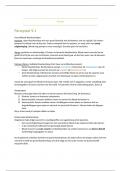
Chapterf51.f5Introductionf5tof5Immunityf5andf5thef5Immunef5System
Multiplef5Choice
1. Eosinophilsf5aref5involvedf5inf5thef5immunef5responsef5against:
A. viruses.
B. intracellularf5bacteria.
C. parasitesf5thatf5cannotf5bef5phagocytized.
D. extracellularf5bacteria.
ANS:f5C
2. Whichf5off5thef5followingf5aref5componentsf5off5bothf5innatef5andf5adaptivef5immunef5responses?
A. Immunoglobulins
B. Tf5helperf5cells
C. Macrophages
D. Bf5cell
sf5ANS:f5
,C
3. Thef5processf5byf5whichf5leukocytesf5aref5attractedf5tof5af5specificf5areaf5byf5chemicalf5messengersf5isf5called:
A. diapedesis.
B. degranulation.
C. chemotaxis.
D. opsonization.
ANS:f5C
4. Whichf5off5thef5followingf5isf5af5characteristicf5off5naturalf5killerf5cells?
A. Theyf5maturef5inf5thef5thymus.
B. Theyf5aref5smallerf5thanf5Bf5andf5Tf5cells.
C. Theyf5aref5af5typef5off5lymphocyte.
D. Theyf5aref5partf5off5thef5adaptivef5immunef5system.
ANS:f5C
,5. Whichf5off5thef5followingf5bestf5describesf5diapedesis?
A. Movementf5towardf5increasingf5concentrationsf5off5af5cytokine
B. Attachmentf5off5immunoglobulinf5tof5targetf5cells
, C. Movementf5throughf5bloodf5vesself5wallsf5asf5cellsf5exitf5thef5circulation
D. Engulfmentf5off5targetf5cel
lsf5ANS:f5C
6. Thef5mostf5effectivef5phagocyticf5andf5antigen-presentingf5cellf5isf5the:
A. neutrophil.
B. monocyte.
C. dendriticf5cell.
D. macrophage.
ANS:f5C
7. Whichf5off5thef5followingf5isf5characteristicf5off5naturalf5immunity?
A. Itf5involvesf5memory.
B. Tf5lymphocytesf5playf5af5majorf5role.
C. Itf5involvesf5specificity.
D. Mechanismsf5aref5alwaysf5presentf5andf5fullyf5functional.
ANS:f5D
8. Allf5off5thef5followingf5cellsf5aref5consideredf5partf5off5naturalf5immunityf5EXCEPT:
A. eosinophils.
B. Bf5lymphocytes.
C. monocytes.
D. neutrophils.
ANS:f5B
9. Wheref5doesf5thef5specificf5immunef5responsef5tof5af5foreignf5antigenf5mainlyf5occur?
A. Lymphf5nodes
B. Blood
C. Bonef5marrow
D. Skinf
5ANS:f5
A
10. Whichf5whitef5cellf5inf5thef5peripheralf5bloodf5migratesf5intof5tissuef5tof5becomef5af5macrophage?
A. Eosinophil
B. Basophil
C. Neutrophil
f5 f5 f5 f5 f5 f5 f5 f5 f5f5
ATORY PERSPECTIVE, 4TH EDITION, CHRISTINE DORRESTEYN STEVEN
f5 f5 f5 f5 f5 f5f5
S, LINDA E. MILLER f5 f5 f5 f5
COMPLETE CHAPTERS f5
Chapterf51.f5Introductionf5tof5Immunityf5andf5thef5Immunef5System
Multiplef5Choice
1. Eosinophilsf5aref5involvedf5inf5thef5immunef5responsef5against:
A. viruses.
B. intracellularf5bacteria.
C. parasitesf5thatf5cannotf5bef5phagocytized.
D. extracellularf5bacteria.
ANS:f5C
2. Whichf5off5thef5followingf5aref5componentsf5off5bothf5innatef5andf5adaptivef5immunef5responses?
A. Immunoglobulins
B. Tf5helperf5cells
C. Macrophages
D. Bf5cell
sf5ANS:f5
,C
3. Thef5processf5byf5whichf5leukocytesf5aref5attractedf5tof5af5specificf5areaf5byf5chemicalf5messengersf5isf5called:
A. diapedesis.
B. degranulation.
C. chemotaxis.
D. opsonization.
ANS:f5C
4. Whichf5off5thef5followingf5isf5af5characteristicf5off5naturalf5killerf5cells?
A. Theyf5maturef5inf5thef5thymus.
B. Theyf5aref5smallerf5thanf5Bf5andf5Tf5cells.
C. Theyf5aref5af5typef5off5lymphocyte.
D. Theyf5aref5partf5off5thef5adaptivef5immunef5system.
ANS:f5C
,5. Whichf5off5thef5followingf5bestf5describesf5diapedesis?
A. Movementf5towardf5increasingf5concentrationsf5off5af5cytokine
B. Attachmentf5off5immunoglobulinf5tof5targetf5cells
, C. Movementf5throughf5bloodf5vesself5wallsf5asf5cellsf5exitf5thef5circulation
D. Engulfmentf5off5targetf5cel
lsf5ANS:f5C
6. Thef5mostf5effectivef5phagocyticf5andf5antigen-presentingf5cellf5isf5the:
A. neutrophil.
B. monocyte.
C. dendriticf5cell.
D. macrophage.
ANS:f5C
7. Whichf5off5thef5followingf5isf5characteristicf5off5naturalf5immunity?
A. Itf5involvesf5memory.
B. Tf5lymphocytesf5playf5af5majorf5role.
C. Itf5involvesf5specificity.
D. Mechanismsf5aref5alwaysf5presentf5andf5fullyf5functional.
ANS:f5D
8. Allf5off5thef5followingf5cellsf5aref5consideredf5partf5off5naturalf5immunityf5EXCEPT:
A. eosinophils.
B. Bf5lymphocytes.
C. monocytes.
D. neutrophils.
ANS:f5B
9. Wheref5doesf5thef5specificf5immunef5responsef5tof5af5foreignf5antigenf5mainlyf5occur?
A. Lymphf5nodes
B. Blood
C. Bonef5marrow
D. Skinf
5ANS:f5
A
10. Whichf5whitef5cellf5inf5thef5peripheralf5bloodf5migratesf5intof5tissuef5tof5becomef5af5macrophage?
A. Eosinophil
B. Basophil
C. Neutrophil