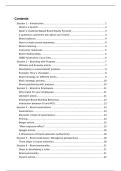
Contents
Session 1 – Introduction...................................................................................... 2
What is a brand?.............................................................................................. 2
Keller’s Customer-Based Brand Equity Pyramid...............................................3
4 questions customers ask about your brand:.................................................3
Brand salience.................................................................................................. 4
How to create brand awareness:......................................................................4
Brand meaning................................................................................................. 4
Consumer responses........................................................................................ 5
Brand relationships.......................................................................................... 5
CBBE Pyramid for Coca-Cola............................................................................ 6
Session 2 – Branding with Purpose......................................................................7
Williams and Knowles article............................................................................ 7
Developing a (cause-based) purpose...............................................................9
Example: Tony’s chocolate............................................................................... 9
Brand strategy on different levels....................................................................9
Basic strategic process................................................................................... 10
Brand positioning with purpose......................................................................10
Session 3 – Brands & Employees.......................................................................11
Why brand for your employees:.....................................................................11
Löhndorf article:............................................................................................. 11
Employee Brand Building Behaviors...............................................................12
Interaction between OI and POS:...................................................................13
Session 4 – Brand associations..........................................................................14
Associations................................................................................................... 14
Elements / Rules of associations:...................................................................14
Priming........................................................................................................... 14
Berger article................................................................................................. 15
“Mere exposure effect”.................................................................................. 15
Spiggle article................................................................................................ 16
4 dimensions of brand extension authenticity:...............................................16
Session 5 – Brand extensions: Managerial perspectives....................................18
Three steps in brand extension......................................................................18
Session 6 – Brand personality........................................................................... 21
Steps in developing a scale:...........................................................................21
Brand personality........................................................................................... 21
Sirianni article................................................................................................ 22
, Brand familiarity as a moderator:..................................................................22
Session 7 – Brand activism................................................................................ 24
Brand activism............................................................................................... 24
Should brands have opinions (on societal issues)?........................................24
Aligned activism model.................................................................................. 24
Is there a match? Check for the following dimensions:..................................26
Effects of brand activism on employees and investors..................................26
Session 8 – Brand loyalty & relationships..........................................................27
What is loyalty?.............................................................................................. 27
Differences between WOM and eWOM:..........................................................27
Fournier article............................................................................................... 28
Jean, the loyal traditionalist:..........................................................................29
Session 9 – Brand engagement.........................................................................31
Customer Engagement Behavior (CEB):.........................................................31
COBRAs (Consumers’ Online Brand-Related Activities):.................................31
Lowest/First level: Consuming........................................................................31
Middle/Second level: Contributing..................................................................31
Highest/Third level: Creating..........................................................................31
Managing customer engagement behavior:...................................................31
Eigenraam article........................................................................................... 32
Co-Creation.................................................................................................... 33
Dretsch article................................................................................................ 33
Session 10 – A primer on brand growth.............................................................34
Double jeopardy............................................................................................. 34
Mental availability:......................................................................................... 35
CEPs are measured by:................................................................................... 35
Distinctive brand assets:................................................................................ 35
Physical availability:....................................................................................... 36
Presence......................................................................................................... 36
Prominence.................................................................................................... 36
Relevance....................................................................................................... 36
Implications for marketing communications..................................................36
Articles:............................................................................................................. 37
Session 1 – Introduction
What is a brand?
1. Identification basic function of brands that builds competition between
brands (if a product is not designated to a specific seller, its hard to
, compete and for the customer to judge your brand/product); a symbol
used to identify the good of one seller
2. Differentiation distinguishing symbol intended to identify the good of
one seller and to differentiate those goods from those of the competitors
3. Mental construct consists of brand associations of consumers with the
brand (mental container of information in your head that is associated to
the brand); associations are hard to get out of all consumers heads, they
will be there for a long time so think strategically and long-term when
making decisions
4. Relationship partner consumers have some sort of relationships to
brands (passionate, hateful, short-term relationship etc.)
5. Driving force brands are the mechanism that can connect an
organization with people; internal force that allows us to express who we
are
Keller’s Customer-Based Brand Equity Pyramid
According to the model, building a strong brand involves four steps: (1)
establishing the proper brand identity, that is, establishing breadth and depth of
brand awareness, (2) creating the appropriate brand meaning through strong,
favorable, and unique brand associations, (3) eliciting positive, accessible brand
responses, and (4) forging brand relationships with customers that are
characterized by intense, active loyalty.
The CBBE Model provides guidance for brand building. It provides a yardstick
by which brands can assess their progress in their brand-building efforts as well
as a guide for marketing research initiatives.
The power of a brand resides in the minds of consumers. That’s why
marketers need to ensure that consumers have the right type of
experiences with the brand
4 questions customers ask about your brand:
1. What about you and me? What is our relationship? (Relationships –
Consumer Brand Resonance)
, 2. What about you? How do I feel about you? (Responses – Consumer
Judgements & Feelings)
3. What are you? (Meaning – Brand Performance & Imagery)
4. Who are you? (Identity – Brand Salience)
You climb these questions from bottom to top Branding ladder = meaning
cannot be established unless identity has been created; responses cannot occur
unless the right meaning has been developed; and a relationship cannot be
forged unless the proper responses have been elicited
Brand salience
= brand awareness ability to recall and recognize your brand, linking the brand
to certain associations in memory
= influences the likelihood that the brand will be an option of the consideration
set
Two types of brand awareness:
1. Recall = the brand comes to mind spontaneously = top-of-mind
awareness
2. Recognition = the brand is recognized from relevant cues (e.g. name,
logo, colors etc.) = aided recall
Depth of brand awareness = how easily customer can recall or recognize the
brand
Breadth of brand awareness = consumption situations in which the brand comes
to mind
How to create brand awareness:
More exposure is better
Be consistent with your design, logo, colors etc.
Always establish link to product need (people not only need to know the
name but also what the brand does)
Ensure sufficient exposure to package for recognition (not only brand
logo awareness but also what it looks like on the selling product)
Create a personal connection (use a presenter who establishes this, e.g.
celebrity)
Use mnemonic devices (jingle music, McDonalds sound, imagery etc.)
Brand meaning
= Brand image what the brand is characterized by and how consumers should
remember it
Two types of brand meaning:
1. Brand performance (functional, performance-related associations)
a. How does the brand rate on objective assessment of quality and
meeting functional needs?
Session 1 – Introduction...................................................................................... 2
What is a brand?.............................................................................................. 2
Keller’s Customer-Based Brand Equity Pyramid...............................................3
4 questions customers ask about your brand:.................................................3
Brand salience.................................................................................................. 4
How to create brand awareness:......................................................................4
Brand meaning................................................................................................. 4
Consumer responses........................................................................................ 5
Brand relationships.......................................................................................... 5
CBBE Pyramid for Coca-Cola............................................................................ 6
Session 2 – Branding with Purpose......................................................................7
Williams and Knowles article............................................................................ 7
Developing a (cause-based) purpose...............................................................9
Example: Tony’s chocolate............................................................................... 9
Brand strategy on different levels....................................................................9
Basic strategic process................................................................................... 10
Brand positioning with purpose......................................................................10
Session 3 – Brands & Employees.......................................................................11
Why brand for your employees:.....................................................................11
Löhndorf article:............................................................................................. 11
Employee Brand Building Behaviors...............................................................12
Interaction between OI and POS:...................................................................13
Session 4 – Brand associations..........................................................................14
Associations................................................................................................... 14
Elements / Rules of associations:...................................................................14
Priming........................................................................................................... 14
Berger article................................................................................................. 15
“Mere exposure effect”.................................................................................. 15
Spiggle article................................................................................................ 16
4 dimensions of brand extension authenticity:...............................................16
Session 5 – Brand extensions: Managerial perspectives....................................18
Three steps in brand extension......................................................................18
Session 6 – Brand personality........................................................................... 21
Steps in developing a scale:...........................................................................21
Brand personality........................................................................................... 21
Sirianni article................................................................................................ 22
, Brand familiarity as a moderator:..................................................................22
Session 7 – Brand activism................................................................................ 24
Brand activism............................................................................................... 24
Should brands have opinions (on societal issues)?........................................24
Aligned activism model.................................................................................. 24
Is there a match? Check for the following dimensions:..................................26
Effects of brand activism on employees and investors..................................26
Session 8 – Brand loyalty & relationships..........................................................27
What is loyalty?.............................................................................................. 27
Differences between WOM and eWOM:..........................................................27
Fournier article............................................................................................... 28
Jean, the loyal traditionalist:..........................................................................29
Session 9 – Brand engagement.........................................................................31
Customer Engagement Behavior (CEB):.........................................................31
COBRAs (Consumers’ Online Brand-Related Activities):.................................31
Lowest/First level: Consuming........................................................................31
Middle/Second level: Contributing..................................................................31
Highest/Third level: Creating..........................................................................31
Managing customer engagement behavior:...................................................31
Eigenraam article........................................................................................... 32
Co-Creation.................................................................................................... 33
Dretsch article................................................................................................ 33
Session 10 – A primer on brand growth.............................................................34
Double jeopardy............................................................................................. 34
Mental availability:......................................................................................... 35
CEPs are measured by:................................................................................... 35
Distinctive brand assets:................................................................................ 35
Physical availability:....................................................................................... 36
Presence......................................................................................................... 36
Prominence.................................................................................................... 36
Relevance....................................................................................................... 36
Implications for marketing communications..................................................36
Articles:............................................................................................................. 37
Session 1 – Introduction
What is a brand?
1. Identification basic function of brands that builds competition between
brands (if a product is not designated to a specific seller, its hard to
, compete and for the customer to judge your brand/product); a symbol
used to identify the good of one seller
2. Differentiation distinguishing symbol intended to identify the good of
one seller and to differentiate those goods from those of the competitors
3. Mental construct consists of brand associations of consumers with the
brand (mental container of information in your head that is associated to
the brand); associations are hard to get out of all consumers heads, they
will be there for a long time so think strategically and long-term when
making decisions
4. Relationship partner consumers have some sort of relationships to
brands (passionate, hateful, short-term relationship etc.)
5. Driving force brands are the mechanism that can connect an
organization with people; internal force that allows us to express who we
are
Keller’s Customer-Based Brand Equity Pyramid
According to the model, building a strong brand involves four steps: (1)
establishing the proper brand identity, that is, establishing breadth and depth of
brand awareness, (2) creating the appropriate brand meaning through strong,
favorable, and unique brand associations, (3) eliciting positive, accessible brand
responses, and (4) forging brand relationships with customers that are
characterized by intense, active loyalty.
The CBBE Model provides guidance for brand building. It provides a yardstick
by which brands can assess their progress in their brand-building efforts as well
as a guide for marketing research initiatives.
The power of a brand resides in the minds of consumers. That’s why
marketers need to ensure that consumers have the right type of
experiences with the brand
4 questions customers ask about your brand:
1. What about you and me? What is our relationship? (Relationships –
Consumer Brand Resonance)
, 2. What about you? How do I feel about you? (Responses – Consumer
Judgements & Feelings)
3. What are you? (Meaning – Brand Performance & Imagery)
4. Who are you? (Identity – Brand Salience)
You climb these questions from bottom to top Branding ladder = meaning
cannot be established unless identity has been created; responses cannot occur
unless the right meaning has been developed; and a relationship cannot be
forged unless the proper responses have been elicited
Brand salience
= brand awareness ability to recall and recognize your brand, linking the brand
to certain associations in memory
= influences the likelihood that the brand will be an option of the consideration
set
Two types of brand awareness:
1. Recall = the brand comes to mind spontaneously = top-of-mind
awareness
2. Recognition = the brand is recognized from relevant cues (e.g. name,
logo, colors etc.) = aided recall
Depth of brand awareness = how easily customer can recall or recognize the
brand
Breadth of brand awareness = consumption situations in which the brand comes
to mind
How to create brand awareness:
More exposure is better
Be consistent with your design, logo, colors etc.
Always establish link to product need (people not only need to know the
name but also what the brand does)
Ensure sufficient exposure to package for recognition (not only brand
logo awareness but also what it looks like on the selling product)
Create a personal connection (use a presenter who establishes this, e.g.
celebrity)
Use mnemonic devices (jingle music, McDonalds sound, imagery etc.)
Brand meaning
= Brand image what the brand is characterized by and how consumers should
remember it
Two types of brand meaning:
1. Brand performance (functional, performance-related associations)
a. How does the brand rate on objective assessment of quality and
meeting functional needs?