

The Sterile Processing Department
May be known as:
● Sterile department
● Central service (CS)
● Central service supply (CSS)
● Surgical supply and processing
The Sterile Processing Workflow
Three main areas:
1. Decontamination
2. Preparation, packaging, and sterilization
3. Sterile storage
Airborne, Contact, and Droplet Precautions
Spread through three routes:
1. Air
2. Contact
3. Droplet transmission
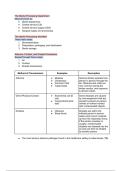
Method of Transmission Examples Description
Airborne ● Measles Airborne illness spreads from
● Chickenpox person to person through the
● Common Cold air. Influenza and colds are
● Tuberculosis very common during the
winter months, and exposure
is almost certain.
Direct Physical Contact ● Escherichia coli (E. Some diseases are caused
coli) by microorganisms that are
● Conjunctivitis (pink spread by person-to-person
eye) contact or indirect contact
with contaminated objects.
Droplets ● Influenza Droplets are within the
● Strep throat infected person’s sputum
(saliva and mucus coughed
up from the respiratory tract).
If the person sneezes or
coughs, contaminated
droplets are released into the
air and can then be inhaled
by another person.
● The most serious airborne pathogen found in the healthcare setting is tuberculosis (TB).
, Regulations, Standards, and Recommended Practices
Regulations
● A set of rules enforceable for a group, mandated by law.
● Example: The sale of alcohol.
To summarize what regulations are and how they apply to the sterile processing technician, you
can define them as mandatory laws that are issued by a governing body.
● Organizations that issue regulations that the sterile processing department must follow
include:
○ Environmental Protection Agency
○ HIPAA
○ US Food and Drug Administration
Standards
● Determined by opinion, research, or a collection of thoughts based on a hierarchy group
of personnel to establish certain protocols and procedures within an industry.
● Example: Association for the Advancement of Medical Instrumentation (AAMI).
■ The state of New Jersey recognizes AAMI standards on a regulatory
level. These standards are required by law.
● A federal agency that issues standards for sterile processing departments to follow is the
Centers for Disease Control and Prevention (CDC).
Recommended Practices
● Procedures that have been determined to be the best in ensuring the highest quality of
patient care and safety based on scientific data.
● Professional organizations that establish recommended best practices include the
following:
○ Association for the Advancement of Medical Instrumentation (AAMI)
○ Association of periOperative Registered Nurses (AORN)
○ Healthcare Sterile Processing Association (HSPA)
○ Society of Gastroenterology Nurses and Associates (SGNA)
Professional Organizations
The EPA
● The Environmental Protection Agency (EPA) is responsible for establishing and issuing
regulations that protect the environment.
● These regulations include legally forcing establishments to manage the way their
products impact the air, water, and land when exposed to the environment.
● The EPA is responsible for regulating the use of environmental disinfectants such as
ethylene oxide (EO), chemicals used to sterilize instrumentation, and sporicides.
● The EPA’s regulations fall under the Clean Air Act.
May be known as:
● Sterile department
● Central service (CS)
● Central service supply (CSS)
● Surgical supply and processing
The Sterile Processing Workflow
Three main areas:
1. Decontamination
2. Preparation, packaging, and sterilization
3. Sterile storage
Airborne, Contact, and Droplet Precautions
Spread through three routes:
1. Air
2. Contact
3. Droplet transmission
Method of Transmission Examples Description
Airborne ● Measles Airborne illness spreads from
● Chickenpox person to person through the
● Common Cold air. Influenza and colds are
● Tuberculosis very common during the
winter months, and exposure
is almost certain.
Direct Physical Contact ● Escherichia coli (E. Some diseases are caused
coli) by microorganisms that are
● Conjunctivitis (pink spread by person-to-person
eye) contact or indirect contact
with contaminated objects.
Droplets ● Influenza Droplets are within the
● Strep throat infected person’s sputum
(saliva and mucus coughed
up from the respiratory tract).
If the person sneezes or
coughs, contaminated
droplets are released into the
air and can then be inhaled
by another person.
● The most serious airborne pathogen found in the healthcare setting is tuberculosis (TB).
, Regulations, Standards, and Recommended Practices
Regulations
● A set of rules enforceable for a group, mandated by law.
● Example: The sale of alcohol.
To summarize what regulations are and how they apply to the sterile processing technician, you
can define them as mandatory laws that are issued by a governing body.
● Organizations that issue regulations that the sterile processing department must follow
include:
○ Environmental Protection Agency
○ HIPAA
○ US Food and Drug Administration
Standards
● Determined by opinion, research, or a collection of thoughts based on a hierarchy group
of personnel to establish certain protocols and procedures within an industry.
● Example: Association for the Advancement of Medical Instrumentation (AAMI).
■ The state of New Jersey recognizes AAMI standards on a regulatory
level. These standards are required by law.
● A federal agency that issues standards for sterile processing departments to follow is the
Centers for Disease Control and Prevention (CDC).
Recommended Practices
● Procedures that have been determined to be the best in ensuring the highest quality of
patient care and safety based on scientific data.
● Professional organizations that establish recommended best practices include the
following:
○ Association for the Advancement of Medical Instrumentation (AAMI)
○ Association of periOperative Registered Nurses (AORN)
○ Healthcare Sterile Processing Association (HSPA)
○ Society of Gastroenterology Nurses and Associates (SGNA)
Professional Organizations
The EPA
● The Environmental Protection Agency (EPA) is responsible for establishing and issuing
regulations that protect the environment.
● These regulations include legally forcing establishments to manage the way their
products impact the air, water, and land when exposed to the environment.
● The EPA is responsible for regulating the use of environmental disinfectants such as
ethylene oxide (EO), chemicals used to sterilize instrumentation, and sporicides.
● The EPA’s regulations fall under the Clean Air Act.


