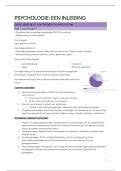
Lecture 1:
What is Addiction?
Definition (DSM-5):
Addiction, clinically referred to as Substance Use Disorder (SUD), is a chronic psychiatric condition
characterized by compulsive drug-seeking and drug-taking, loss of control over use, and continued
use despite harmful consequences.
→ It is recognized as one of the most prevalent psychiatric disorders.
For Diagnosis:
2 or more symptoms are required (from a list of 11) occurring within 12 months.
Why study addiction?
Global Mortality Risk Factors (2021)
Smoking: Causes the highest addiction-related deaths, with 8.08 million deaths annually.
Alcohol use: Accounts for 1.81 million deaths per year, making it one of the top preventable killers
worldwide.
Drug use: Linked to 463,000 deaths annually, though this may be underestimated due to
underreporting in some countries.
Other risks: Factors like obesity, high blood pressure, and secondhand smoke also contribute to
high mortality, showing addiction-related deaths are part of a larger set of preventable lifestyle risks.
Key insight:
Tobacco, alcohol, and drug use rank among the leading preventable causes of global mortality,
stressing the urgency of public health interventions.
,Opioid Crisis (United States):
Crisis involves heroin (illicit), prescription opioids like oxycodone, and synthetic opioids such as
fentanyl and nitazenes.
The U.S. records an average of 115 opioid overdose deaths per day, now the leading cause of death
among men under 30.
Lesson: Prescription misuse and the rise of synthetic opioids show how quickly medical drugs
can escalate into a national public health emergency.
Global Burden of Substance Use
Over 3 million annual deaths worldwide are directly linked to alcohol and drug use.
Men are disproportionately affected, both in mortality and in problematic use, reflecting gender
differences in risk-taking and vulnerability.
Alcohol is the most widely used addictive substance, with over 2 billion users worldwide,
creating the largest social and health burden despite relatively lower rates of dependence
compared to drugs like heroin.
Conclusion: The combination of high prevalence and health damage makes alcohol a global public
health challenge.
, Gambling and Behavioral Addictions
In 2013, the U.S. alone lost $119 billion to gambling, with China and Japan also showing massive
economic losses.
Demonstrates that addiction is not limited to substances; behaviors like gambling and gaming can
hijack reward systems in similar ways, leading to financial, social, and psychological harm.
Implication: Policies must address behavioral addictions alongside substance addictions.
Mental Health and Addiction in Europe
1 in 3 Europeans suffers from a mental disorder in any given year, including depression and anxiety.
Men are more likely to develop alcohol dependence, highlighting gendered vulnerability.
Mental disorders and substance use disorders often co-occur (comorbidity), worsening prognosis
and complicating treatment.
Key point: Addiction cannot be understood or treated in isolation — it is closely intertwined with
mental health.
Conceptual Model of Substance Use and Health:
1. Societal Factors:
Level of development: Wealthier nations may have more resources for prevention/treatment but
also greater availability of substances.
Policies & harm reduction: Laws, treatment access, prevention campaigns, and harm reduction
programs influence risk and outcomes.
Availability & affordability: Cheap and accessible substances → higher rates of use and harm.
Culture: Shapes norms around what substances are acceptable (e.g., alcohol vs. cannabis).
2. Individual Factors:
Biological factors: Genetics, brain chemistry, vulnerability to addiction.
Psychosocial factors: Trauma, stress, mental health, peer influence.
Socio-economic factors: Poverty, education, job insecurity — can increase risk of misuse.
, 3. Substance Use (Core Pathway):
Substance properties: Addictiveness, toxicity, pharmacology.
Way & means of administration: Smoking/injection = higher risk; oral use = slower effect.
Levels, patterns, and contexts of use: Frequency, dose, binge use, social vs. solitary use.
4. Health Outcomes:
Chronic: Long-term illness (e.g., liver disease, lung cancer, dependence).
Acute: Overdose, accidents, intoxication-related harms.
Leads to:
Mortality & disability by cause (deaths, disease burden).
Socio-economic consequences (lost productivity, healthcare costs).
Harm to others (family conflict, accidents, violence, environmental waste).
Societal Relevance of Substance Use
Health impact:
High burden on health care systems and hospitals.
Contributes significantly to morbidity (illness) and mortality (premature deaths).
Crime:
More than 50% of crimes are substance-related (e.g., drug trafficking, theft to fund use, violence
under influence).
Public safety:
Driving under influence increases accidents and fatalities.
Drug production (e.g., synthetic drugs) leaves toxic chemical waste, harming the environment and
communities.
Work & economy:
Reduced productivity, absenteeism, and unemployment due to substance problems.
Costs businesses and society billions in lost output.
Is it a real disorder?
1. Moral/Willpower Model (Dalrymple)
Claim: “Addiction is not a disease, addicts are people with a weak will.”
Addiction seen as a failure of self-control rather than a medical condition.
Responsibility lies entirely with the individual → treatment = discipline, punishment, or moral
reform.
2. Brain Disease Model (Neuroscience View)
Advocates: Alan Leshner, Nora Volkow.
Addiction = chronic brain disorder.
Evidence:
Drugs change brain circuits (reward, motivation, decision-making, self-control).
Imaging studies show long-lasting changes in dopamine systems.
Explains compulsive use and relapse despite negative consequences.
What is Addiction?
Definition (DSM-5):
Addiction, clinically referred to as Substance Use Disorder (SUD), is a chronic psychiatric condition
characterized by compulsive drug-seeking and drug-taking, loss of control over use, and continued
use despite harmful consequences.
→ It is recognized as one of the most prevalent psychiatric disorders.
For Diagnosis:
2 or more symptoms are required (from a list of 11) occurring within 12 months.
Why study addiction?
Global Mortality Risk Factors (2021)
Smoking: Causes the highest addiction-related deaths, with 8.08 million deaths annually.
Alcohol use: Accounts for 1.81 million deaths per year, making it one of the top preventable killers
worldwide.
Drug use: Linked to 463,000 deaths annually, though this may be underestimated due to
underreporting in some countries.
Other risks: Factors like obesity, high blood pressure, and secondhand smoke also contribute to
high mortality, showing addiction-related deaths are part of a larger set of preventable lifestyle risks.
Key insight:
Tobacco, alcohol, and drug use rank among the leading preventable causes of global mortality,
stressing the urgency of public health interventions.
,Opioid Crisis (United States):
Crisis involves heroin (illicit), prescription opioids like oxycodone, and synthetic opioids such as
fentanyl and nitazenes.
The U.S. records an average of 115 opioid overdose deaths per day, now the leading cause of death
among men under 30.
Lesson: Prescription misuse and the rise of synthetic opioids show how quickly medical drugs
can escalate into a national public health emergency.
Global Burden of Substance Use
Over 3 million annual deaths worldwide are directly linked to alcohol and drug use.
Men are disproportionately affected, both in mortality and in problematic use, reflecting gender
differences in risk-taking and vulnerability.
Alcohol is the most widely used addictive substance, with over 2 billion users worldwide,
creating the largest social and health burden despite relatively lower rates of dependence
compared to drugs like heroin.
Conclusion: The combination of high prevalence and health damage makes alcohol a global public
health challenge.
, Gambling and Behavioral Addictions
In 2013, the U.S. alone lost $119 billion to gambling, with China and Japan also showing massive
economic losses.
Demonstrates that addiction is not limited to substances; behaviors like gambling and gaming can
hijack reward systems in similar ways, leading to financial, social, and psychological harm.
Implication: Policies must address behavioral addictions alongside substance addictions.
Mental Health and Addiction in Europe
1 in 3 Europeans suffers from a mental disorder in any given year, including depression and anxiety.
Men are more likely to develop alcohol dependence, highlighting gendered vulnerability.
Mental disorders and substance use disorders often co-occur (comorbidity), worsening prognosis
and complicating treatment.
Key point: Addiction cannot be understood or treated in isolation — it is closely intertwined with
mental health.
Conceptual Model of Substance Use and Health:
1. Societal Factors:
Level of development: Wealthier nations may have more resources for prevention/treatment but
also greater availability of substances.
Policies & harm reduction: Laws, treatment access, prevention campaigns, and harm reduction
programs influence risk and outcomes.
Availability & affordability: Cheap and accessible substances → higher rates of use and harm.
Culture: Shapes norms around what substances are acceptable (e.g., alcohol vs. cannabis).
2. Individual Factors:
Biological factors: Genetics, brain chemistry, vulnerability to addiction.
Psychosocial factors: Trauma, stress, mental health, peer influence.
Socio-economic factors: Poverty, education, job insecurity — can increase risk of misuse.
, 3. Substance Use (Core Pathway):
Substance properties: Addictiveness, toxicity, pharmacology.
Way & means of administration: Smoking/injection = higher risk; oral use = slower effect.
Levels, patterns, and contexts of use: Frequency, dose, binge use, social vs. solitary use.
4. Health Outcomes:
Chronic: Long-term illness (e.g., liver disease, lung cancer, dependence).
Acute: Overdose, accidents, intoxication-related harms.
Leads to:
Mortality & disability by cause (deaths, disease burden).
Socio-economic consequences (lost productivity, healthcare costs).
Harm to others (family conflict, accidents, violence, environmental waste).
Societal Relevance of Substance Use
Health impact:
High burden on health care systems and hospitals.
Contributes significantly to morbidity (illness) and mortality (premature deaths).
Crime:
More than 50% of crimes are substance-related (e.g., drug trafficking, theft to fund use, violence
under influence).
Public safety:
Driving under influence increases accidents and fatalities.
Drug production (e.g., synthetic drugs) leaves toxic chemical waste, harming the environment and
communities.
Work & economy:
Reduced productivity, absenteeism, and unemployment due to substance problems.
Costs businesses and society billions in lost output.
Is it a real disorder?
1. Moral/Willpower Model (Dalrymple)
Claim: “Addiction is not a disease, addicts are people with a weak will.”
Addiction seen as a failure of self-control rather than a medical condition.
Responsibility lies entirely with the individual → treatment = discipline, punishment, or moral
reform.
2. Brain Disease Model (Neuroscience View)
Advocates: Alan Leshner, Nora Volkow.
Addiction = chronic brain disorder.
Evidence:
Drugs change brain circuits (reward, motivation, decision-making, self-control).
Imaging studies show long-lasting changes in dopamine systems.
Explains compulsive use and relapse despite negative consequences.