SEP3714 Assignment 2
(COMPLETE ANSWERS)
Semester 2 2025 - DUE
22 September 2025
[Document subtitle]
[School]
[Course title]
,SEP3714 Assignment 2 (COMPLETE ANSWERS) Semester 2 2025 - DUE 22 September 2025
Course
Security Risk Control Measures II (SEP3714)
Institution
University Of South Africa (Unisa)
Book
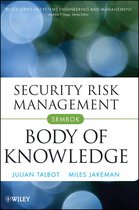
Security Risk Management Body of Knowledge
SEP3714 Assignment 2 (COMPLETE ANSWERS) Semester 2 2025 - DUE 22 September 2025;
100% TRUSTED Complete, trusted solutions and explanations.
a senior security officer (SSO), your client has requested that you implement specific security
risk control measures to assist in preventing or minimising future losses to the company due to
theft, collusion and/or any other loss-relating threats. Demonstrate, by providing eight (8)
practical examples and/or steps that you would follow, regarding how you would implement
and evaluate the security project.
ight (8) Practical Security Risk Control Measures with Implementation & Evaluation Steps
1. Conduct a Security Risk Assessment
o Implementation: Identify vulnerable areas (e.g., storerooms, IT systems, cash-
handling points) through site surveys, interviews, and incident report analysis.
o Evaluation: Compare the number and severity of reported incidents before and
after risk assessment to see if identified weaknesses were addressed.
2. Strengthen Access Control Systems
o Implementation: Introduce ID badges, biometric systems, CCTV-monitored entry
points, and restricted access zones for sensitive areas.
o Evaluation: Monitor access logs and incident trends to ensure only authorised
personnel are entering restricted areas.
3. Install and Upgrade Surveillance Systems
o Implementation: Place CCTV cameras in high-risk areas (warehouses, cash offices,
loading bays) and ensure proper lighting to deter theft and collusion.
, o Evaluation: Review footage regularly and track if the presence of cameras has
reduced suspicious behaviour or theft attempts.
4. Develop and Enforce Security Policies
o Implementation: Draft clear anti-theft, anti-collusion, and whistleblowing
policies, communicate them to staff, and integrate them into contracts and
induction training.
o Evaluation: Conduct policy compliance audits and measure staff awareness
through periodic surveys or quizzes.
5. Staff Vetting and Screening Procedures
o Implementation: Implement pre-employment background checks, criminal
record verification, and periodic re-screening of staff in sensitive roles.
o Evaluation: Track whether incidents involving insider threats reduce after stricter
vetting measures are introduced.
6. Regular Security Awareness Training
o Implementation: Conduct training sessions for staff on ethics, reporting
suspicious behaviour, and procedures for handling theft/collusion risks.
o Evaluation: Use post-training assessments and monitor incident reporting rates
to determine the effectiveness of training.
7. Introduce Monitoring and Reporting Mechanisms
o Implementation: Establish anonymous reporting hotlines, suggestion boxes, and
regular audits to detect collusion or theft.
o Evaluation: Measure the number of reports received and analyse whether early
detection of risks has improved.
8. Periodic Security Audits and Project Review
o Implementation: Carry out scheduled and surprise audits of stock, cash handling,
and sensitive processes to detect irregularities.
o Evaluation: Compare audit findings over time and assess whether the frequency
and scale of losses have decreased.
(COMPLETE ANSWERS)
Semester 2 2025 - DUE
22 September 2025
[Document subtitle]
[School]
[Course title]
,SEP3714 Assignment 2 (COMPLETE ANSWERS) Semester 2 2025 - DUE 22 September 2025
Course
Security Risk Control Measures II (SEP3714)
Institution
University Of South Africa (Unisa)
Book
Security Risk Management Body of Knowledge
SEP3714 Assignment 2 (COMPLETE ANSWERS) Semester 2 2025 - DUE 22 September 2025;
100% TRUSTED Complete, trusted solutions and explanations.
a senior security officer (SSO), your client has requested that you implement specific security
risk control measures to assist in preventing or minimising future losses to the company due to
theft, collusion and/or any other loss-relating threats. Demonstrate, by providing eight (8)
practical examples and/or steps that you would follow, regarding how you would implement
and evaluate the security project.
ight (8) Practical Security Risk Control Measures with Implementation & Evaluation Steps
1. Conduct a Security Risk Assessment
o Implementation: Identify vulnerable areas (e.g., storerooms, IT systems, cash-
handling points) through site surveys, interviews, and incident report analysis.
o Evaluation: Compare the number and severity of reported incidents before and
after risk assessment to see if identified weaknesses were addressed.
2. Strengthen Access Control Systems
o Implementation: Introduce ID badges, biometric systems, CCTV-monitored entry
points, and restricted access zones for sensitive areas.
o Evaluation: Monitor access logs and incident trends to ensure only authorised
personnel are entering restricted areas.
3. Install and Upgrade Surveillance Systems
o Implementation: Place CCTV cameras in high-risk areas (warehouses, cash offices,
loading bays) and ensure proper lighting to deter theft and collusion.
, o Evaluation: Review footage regularly and track if the presence of cameras has
reduced suspicious behaviour or theft attempts.
4. Develop and Enforce Security Policies
o Implementation: Draft clear anti-theft, anti-collusion, and whistleblowing
policies, communicate them to staff, and integrate them into contracts and
induction training.
o Evaluation: Conduct policy compliance audits and measure staff awareness
through periodic surveys or quizzes.
5. Staff Vetting and Screening Procedures
o Implementation: Implement pre-employment background checks, criminal
record verification, and periodic re-screening of staff in sensitive roles.
o Evaluation: Track whether incidents involving insider threats reduce after stricter
vetting measures are introduced.
6. Regular Security Awareness Training
o Implementation: Conduct training sessions for staff on ethics, reporting
suspicious behaviour, and procedures for handling theft/collusion risks.
o Evaluation: Use post-training assessments and monitor incident reporting rates
to determine the effectiveness of training.
7. Introduce Monitoring and Reporting Mechanisms
o Implementation: Establish anonymous reporting hotlines, suggestion boxes, and
regular audits to detect collusion or theft.
o Evaluation: Measure the number of reports received and analyse whether early
detection of risks has improved.
8. Periodic Security Audits and Project Review
o Implementation: Carry out scheduled and surprise audits of stock, cash handling,
and sensitive processes to detect irregularities.
o Evaluation: Compare audit findings over time and assess whether the frequency
and scale of losses have decreased.