100% satisfaction guarantee Immediately available after payment Both online and in PDF No strings attached 4.6 TrustPilot
logo-home
Exam (elaborations)

APEA-Patho EENT Main Exam Questions with Correct Answers Updated 2025/2026 Syllabus A+ GRADED!!100% GUARANTEED PASS!!!LATEST VERSION

Rating
-
Sold
-
Pages
27
Grade
A+
Uploaded on
20-09-2025
Written in
2025/2026

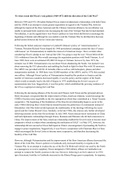
APEA-Patho EENT Main Exam Questions with Correct Answers Updated 2025/2026 Syllabus A+ GRADED!!100% GUARANTEED PASS!!!C Transmission of rhinovirus: is not possible from a contaminated object. is highly likely even with brief exposures to infected people. may occur via hand-to-hand contact. is most likely to occur before the patient is symptomatic. - ANSWER may occur via hand-to-hand contact. Recurrent epistaxis in children is most often caused by: H. influenzae. platelet disorders. Staphylococcus aureus. iron deficiency. - ANSWER Staphylococcus aureus. A factor that may affect the onset and severity of presbycusis is: Asian ethnicity. use of earphones. hypertension. pinnal damage. - ANSWER hypertension. Which of the following symptoms is associated with the initial appearance of measurable histamines in a patient with allergic rhinitis? Coughing Fever Sneezing Nasal congestion - ANSWER Sneezing The most common etiologic agent of the common cold is: parainfluenza virus. adenovirus. rhinovirus. coronavirus. - ANSWER rhinovirus. The immediate symptom response in allergic conjunctivitis is due to the rupture of: neutrophils. mast cells. epithelial cells. lymphocytes. - ANSWER mast cells. Which form of glaucoma is characterized by a slow rise in intraocular pressure? Congenital Open-angle Angle-closure Partial-angle - ANSWER Open-angle (aka chronic glaucoma) causes a slow rise in intraocular pressure Light that is focused behind the retina causes the visual disturbance known as: hyperopia. astigmatism. myopia. presbyopia. - ANSWER hyperopia. This is a normal finding in young children less than 6. Subjective tinnitus is thought to be caused by: increased turbulence through hair follicles. muscle spasms of the stapedius. abnormal neuronal activity. turbulent flow in blood vessels. - ANSWER abnormal neuronal activity. Subjective tinnitus is only heard by the patient; subjective tinnitus is commonly associated with sensorineural hearing loss (e.g., presbycusis) and is the result of a disruption of sound along the normal auditory pathway (cochlea, auditory nerve, brain stem nuclei, auditory pathway) When objective tinnitus is present, the sound the patient hears is also heard by the examiner. The noise in objective tinnitus is actual noise generated near the middle ear. This noise may be generated by turbulent blood flow (e.g., atherosclerosis in the carotid artery) or muscle spasms in the middle ear that may generate a clicking noise. Thrush is most commonly caused by: Aspergillus flavus. Candida albicans. Cryptococcus neoformans. Magnaporthe grisea. - ANSWER Candida albicans. Viral rhinitis is typically transmitted to the paranasal sinuses through: nose blowing. sniffling. coughing. sneezing. - ANSWER nose blowing. Complications of acute otitis media can include: presbycusis. mastoiditis. tympanic membrane rupture. otitis externa. - ANSWER mastoiditis. Acute mastoiditis is a possible complication of acute otitis media (AOM). The middle ear cavity and mastoid air spaces are continuous. During an episode of AOM, the mucosa lining the middle ear becomes inflamed; the inner ear mucosa may also become inflamed. The majority of epistaxis episodes occur in the anterior portion of the septum, which is known as: the superior nasal conchus. Kiesselbach's plexus. the sphenoethmoidal recess. the superior nasal meatus. - ANSWER Kiesselbach's plexus. An inflammation or infectious process in the mucous membrane of a newborn's eye is: neonatal conjunctivitis. dacryostenosis. orbital cellulitis. congenital glaucoma. - ANSWER neonatal conjunctivitis. The principal mediator in allergic rhinitis is: cytokine. lysosomal enzyme. prostaglandin. histamine. - ANSWER histamine. A nonspherical curvature of the cornea or lens of the eye that causes light to focus at different points is called: nystagmus. astigmatism. hyperopia. presbyopia. - ANSWER astigmatism. Fluid accumulation in the middle ear without evidence of infection is called: acute otitis media. otitis externa. mastoiditis. otitis media with effusion. - ANSWER otitis media with effusion. Entropion is defined as: an inward turning of the lower eyelid. an outward turning of the lower eyelid. drooping of the eyelid. a retracted eyelid with a wide-eyed stare. - ANSWER an inward turning of the lower eyelid. Erythema, edema and narrowing of the diameter of the external auditory canal is most likely related to: acute otitis media. mastoiditis. labyrinthitis. otitis externa. - ANSWER otitis externa. Macular degeneration causes a loss of: peripheral vision. total vision. night vision. central vision. - ANSWER central vision. The most common fungal pathogen associated with otitis externa is: Histoplasma. Aspergillus. Cryptococcus. Pneumocystis. - ANSWER Aspergillus. Persistent overflow of tears over the lower lid margin is: aqueous tear deficiency. epiphora. keratoconjunctivitis sicca. blepharitis. - ANSWER epiphora. The most common cause of otitis externa is: hearing aid use. seasonal allergies. swimming. foreign body. - ANSWER swimming. An inflammation of the nasolacrimal sac that is caused by nasolacrimal duct obstruction or infection is termed: conjunctivitis. a colobomas. dacryocystitis. leukocoria. - ANSWER dacryocystitis. Which one of the following is NOT a potential sequelae of streptococcal pharyngitis? Acute glomerulonephritis Peritonsillar abscess Toxic shock syndrome Meningitis - ANSWER Meningitis Normal intraocular pressure is: 2-5 mm Hg. 5-10 mm Hg. 10-23 mm Hg. 25-40 mm Hg. - ANSWER 10-23 mm Hg. A group of disorders characterized by elevated intraocular pressure is: glaucoma. conjunctivitis. uveitis. keratitis. - ANSWER glaucoma. The inability of ossicles to properly conduct sound in the ear is described as a(n): conductive hearing loss. sensorineural hearing loss. auditory dyssynchrony. auditory neuropathy spectrum disorder. - ANSWER conductive hearing loss. Herpes simplex virus (HSV) type 1 is more commonly associated with: shingles. impetigo. orofacial lesions. genital lesions. - ANSWER orofacial lesions. An acute inflammation in the supraglottic region of the oropharynx is most likely: tonsillitis. pharyngitis. epiglottitis. peritonsillar abscess. - ANSWER epiglottitis. Mastoiditis is most commonly caused by: Staphylococcus aureus. Mycobacterium. Streptococcus pneumoniae. Pseudomonas aeruginosa. - ANSWER Streptococcus pneumoniae. Infection of the palatine tonsils may become severe quickly because: they are made up of granular tissue. they are salivary glands. the area is composed of loose connective tissue. a rich blood supply is present in the area. - ANSWER the area is composed of loose connective tissue. Which of the following is a cause of conductive hearing loss? Acoustic neuroma Cerumen impaction Toxoplasmosis Meniere's disease - ANSWER Cerumen impaction Inflammation or infection of the eyelids associated with bacterial infection, dry eyes and/or rosacea is: blepharitis. sebaceous cell carcinoma. chalazion. hordeolum. - ANSWER blepharitis. Which one of the following statements is true about the lacrimal excretory system? The lacrimal excretory system does not usually become infected. Occlusion of the lacrimal excretory system results in a chalazion. The lacrimal excretory system collects tear film and drains it into the nasal cavity. The lacrimal excretory system causes dacryostenosis. - ANSWER The lacrimal excretory system collects tear film and drains it into the nasal cavity. Local nasal irritation that causes blood vessels to become exposed and break is likely to cause: epistaxis. nasal congestion. orofacial pain. nausea. - ANSWER epistaxis. The process that is NOT associated with the progression of mastoiditis is: hyperemia of the mucosal lining of the mastoid air cells. transudation and exudation of fluid within the cells. temporal bone reconstruction and increased septal vascularity. cell wall loss with coalescence into abscess cavities. - ANSWER temporal bone reconstruction and increased septal vascularity. What is the term for hemorrhage into the anterior eye chamber as a result of iris rupture? Hyphema Blepharitis Dacryostenosis Subconjunctival hemorrhage - ANSWER Hyphema Which one of the following is the eye condition in which objects in close proximity are clear and objects in the distance are blurry? Hyperopia Astigmatism Myopia Presbyopia - ANSWER Myopia When a tooth is avulsed, a solution of amino acids and vitamins capable of inactivating enzymes that are harmful to periodontal ligament cells should be utilized. Which one of the following is the most commonly used solution? Hank's balanced salt solution Isotonic saline Milk Saliva - ANSWER Milk Which immunoglobulin is responsible for the symptoms in a patient who has allergic rhinitis? IgG Ig Sensorineural hearing loss is due to dysfunction of the: external canal. pinna. inner ear. cranial nerve IV. - ANSWER inner ear. Epstein-Barr virus is NOT spread via: kissing. contaminated food. sharing eating utensils. sexual contact. - ANSWER contaminated food. The inability of the brain to interpret sound that enters the ear normally is called: auditory neuropathy spectrum disorder. an acoustic neuroma. sensorineural hearing loss. conductive hearing loss. - ANSWER auditory neuropathy spectrum disorder. A nontraumatic inflammation or irritation of the connective tissue of the eye is: conjunctivitis. blepharitis. iritis. uveitis. - ANSWER conjunctivitis. In patients who have allergic rhinitis, sneezing and itching are due to: mucous gland hypoactivity. vasodilation. stimulation of sensory nerves. presence of foreign bodies. - ANSWER stimulation of sensory nerves. Which of the following produces and releases leukotriene C4 and histamine into tear fluid during allergic response? Eosinophils Basophils Neutrophils Monocytes - ANSWER Eosinophils The failure of one or both eyes to achieve normal visual acuity despite normal structural health is called: myopia. presbyopia. amblyopia. hyperopia. - ANSWER amblyopia. Transmission of rhinovirus: is not possible from a contaminated object. is highly likely even with brief exposures to infected people. may occur via hand-to-hand contact. is most likely to occur before the patient is symptomatic. - ANSWER may occur via hand-to-hand contact. Recurrent epistaxis in children is most often caused by: H. influenzae. platelet disorders. Staphylococcus aureus. iron deficiency. - ANSWER Staphylococcus aureus. A factor that may affect the onset and severity of presbycusis is: Asian ethnicity. use of earphones. hypertension. pinnal damage. - ANSWER hypertension. Which of the following symptoms is associated with the initial appearance of measurable histamines in a patient with allergic rhinitis? Coughing Fever Sneezing Nasal congestion - ANSWER Sneezing The most common etiologic agent of the common cold is: parainfluenza virus. adenovirus. rhinovirus. coronavirus. - ANSWER rhinovirus. The immediate symptom response in allergic conjunctivitis is due to the rupture of: neutrophils. mast cells. epithelial cells. lymphocytes. - ANSWER mast cells. Which form of glaucoma is characterized by a slow rise in intraocular pressure? Congenital Open-angle Angle-closure Partial-angle - ANSWER Open-angle (aka chronic glaucoma) causes a slow rise in intraocular pressure Light that is focused behind the retina causes the visual disturbance known as: hyperopia. astigmatism. myopia. presbyopia. - ANSWER hyperopia. This is a normal finding in young children less than 6. Subjective tinnitus is thought to be caused by: increased turbulence through hair follicles. muscle spasms of the stapedius. abnormal neuronal activity. turbulent flow in blood vessels. - ANSWER abnormal neuronal activity. Subjective tinnitus is only heard by the patient; subjective tinnitus is commonly associated with sensorineural hearing loss (e.g., presbycusis) and is the result of a disruption of sound along the normal auditory pathway (cochlea, auditory nerve, brain stem nuclei, auditory pathway) When objective tinnitus is present, the sound the patient hears is also heard by the examiner. The noise in objective tinnitus is actual noise generated near the middle ear. This noise may be generated by turbulent blood flow (e.g., atherosclerosis in the carotid artery) or muscle spasms in the middle ear that may generate a clicking noise. Thrush is most commonly caused by: Aspergillus flavus. Candida albicans. Cryptococcus neoformans. Magnaporthe grisea. - ANSWER Candida albicans. Viral rhinitis is typically transmitted to the paranasal sinuses through: nose blowing. sniffling. coughing. sneezing. - ANSWER nose blowing. Complications of acute otitis media can include: presbycusis. mastoiditis. tympanic membrane rupture. otitis externa. - ANSWER mastoiditis. Acute mastoiditis is a possible complication of acute otitis media (AOM). The middle ear cavity and mastoid air spaces are continuous. During an episode of AOM, the mucosa lining the middle ear becomes inflamed; the inner ear mucosa may also become inflamed. The majority of epistaxis episodes occur in the anterior portion of the septum, which is known as: the superior nasal conchus. Kiesselbach's plexus. the sphenoethmoidal recess. the superior nasal meatus. - ANSWER Kiesselbach's plexus. An inflammation or infectious process in the mucous membrane of a newborn's eye is: neonatal conjunctivitis. dacryostenosis. orbital cellulitis. congenital glaucoma. - ANSWER neonatal conjunctivitis. The principal mediator in allergic rhinitis is: cytokine. lysosomal enzyme. prostaglandin. histamine. - ANSWER histamine. A nonspherical curvature of the cornea or lens of the eye that causes light to focus at different points is called: nystagmus. astigmatism. hyperopia. presbyopia. - ANSWER astigmatism. Fluid accumulation in the middle ear without evidence of infection is called: acute otitis media. otitis externa. mastoiditis. otitis media with effusion. - ANSWER otitis media with effusion. Entropion is defined as: an inward turning of the lower eyelid. an outward turning of the lower eyelid. drooping of the eyelid. a retracted eyelid with a wide-eyed stare. - ANSWER an inward turning of the lower eyelid. Erythema, edema and narrowing of the diameter of the external auditory canal is most likely related to: acute otitis media. mastoiditis. labyrinthitis. otitis externa. - ANSWER otitis externa. Macular degeneration causes a loss of: peripheral vision. total vision. night vision. central vision. - ANSWER central vision. The most common fungal pathogen associated with otitis externa is: Histoplasma. Aspergillus. Cryptococcus. Pneumocystis. - ANSWER Aspergillus. Persistent overflow of tears over the lower lid margin is: aqueous tear deficiency. epiphora. keratoconjunctivitis sicca. blepharitis. - ANSWER epiphora. The most common cause of otitis externa is: hearing aid use. seasonal allergies. swimming. foreign body. - ANSWER swimming. An inflammation of the nasolacrimal sac that is caused by nasolacrimal duct obstruction or infection is termed: conjunctivitis. a colobomas. dacryocystitis. leukocoria. - ANSWER dacryocystitis. Which one of the following is NOT a potential sequelae of streptococcal pharyngitis? Acute glomerulonephritis Peritonsillar abscess Toxic shock syndrome Meningitis - ANSWER Meningitis Normal intraocular pressure is: 2-5 mm Hg. 5-10 mm Hg. 10-23 mm Hg. 25-40 mm Hg. - ANSWER 10-23 mm Hg. A group of disorders characterized by elevated intraocular pressure is: glaucoma. conjunctivitis. uveitis. keratitis. - ANSWER glaucoma. The inability of ossicles to properly conduct sound in the ear is described as a(n): conductive hearing loss. sensorineural hearing loss. auditory dyssynchrony. auditory neuropathy spectrum disorder. - ANSWER conductive hearing loss. Herpes simplex virus (HSV) type 1 is more commonly associated with: shingles. impetigo. orofacial lesions. genital lesions. - ANSWER orofacial lesions. An acute inflammation in the supraglottic region of the oropharynx is most likely: tonsillitis. pharyngitis. epiglottitis. peritonsillar abscess. - ANSWER epiglottitis. Mastoiditis is most commonly caused by: Staphylococcus aureus. Mycobacterium. Streptococcus pneumoniae. Pseudomonas aeruginosa. - ANSWER Streptococcus pneumoniae. Infection of the palatine tonsils may become severe quickly because: they are made up of granular tissue. they are salivary glands. the area is composed of loose connective tissue. a rich blood supply is present in the area. - ANSWER the area is composed of loose connective tissue. Which of the following is a cause of conductive hearing loss? Acoustic neuroma Cerumen impaction Toxoplasmosis Meniere's disease - ANSWER Cerumen impaction Inflammation or infection of the eyelids associated with bacterial infection, dry eyes and/or rosacea is: blepharitis. sebaceous cell carcinoma. chalazion. hordeolum. - ANSWER blepharitis. Which one of the following statements is true about the lacrimal excretory system? The lacrimal excretory system does not usually become infected. Occlusion of the lacrimal excretory system results in a chalazion. The lacrimal excretory system collects tear film and drains it into the nasal cavity. The lacrimal excretory system causes dacryostenosis. - ANSWER The lacrimal excretory system collects tear film and drains it into the nasal cavity. Local nasal irritation that causes blood vessels to become exposed and break is likely to cause: epistaxis. nasal congestion. orofacial pain. nausea. - ANSWER epistaxis. The process that is NOT associated with the progression of mastoiditis is: hyperemia of the mucosal lining of the mastoid air cells. transudation and exudation of fluid within the cells. temporal bone reconstruction and increased septal vascularity. cell wall loss with coalescence into abscess cavities. - ANSWER temporal bone reconstruction and increased septal vascularity. What is the term for hemorrhage into the anterior eye chamber as a result of iris rupture? Hyphema Blepharitis Dacryostenosis Subconjunctival hemorrhage - ANSWER Hyphema Which one of the following is the eye condition in which objects in close proximity are clear and objects in the distance are blurry? Hyperopia Astigmatism Myopia Presbyopia - ANSWER Myopia When a tooth is avulsed, a solution of amino acids and vitamins capable of inactivating enzymes that are harmful to periodontal ligament cells should be utilized. Which one of the following is the most commonly used solution? Hank's balanced salt solution Isotonic saline Milk Saliva - ANSWER Milk Which immunoglobulin is responsible for the symptoms in a patient who has allergic rhinitis? IgG Ig Peritonsillar abscess is a complication of: allergic rhinitis. tonsillitis. laryngitis. dental infection. - ANSWER tonsillitis. Peritonsillar infection is typically preceded by tonsillitis or pharyngitis. Which of the following pathogens is the most likely cause of epiglottitis? Staphylococcus aureus Respiratory syncytial virus Moraxella catarrhalis Haemophilus influenza type b - ANSWER Haemophilus influenza type b (Hib) or strep pneumonia can cause epiglottis Which of the following vaccines protects against the pathogen that is primarily responsible for epiglottitis? Haemophilus influenza type B (Hib) vaccine Influenza vaccine Diphtheria, tetanus, and pertussis (DTaP) vaccine Rotavirus (RV) vaccine - ANSWER Haemophilus influenza type B (Hib) vaccine Hearing loss that occurs due to the tympanic membrane's inability to vibrate in response to sound is known as: conductive hearing loss. mixed hearing loss. Traumatic hearing loss. Sensorineural hearing loss. - ANSWER conductive hearing loss. The most common pathogen associated with otitis media is: Staphylococcus aureus. Streptococcus pneumoniae. Pseudomonas aeruginosa. Escherichia coli. - ANSWER Streptococcus pneumoniae. An abnormal growth of squamous epithelium in the middle ear and mastoid is: melanoma. otosclerosis. osteoma. cholesteatoma. - ANSWER cholesteatoma. (aka kerastoma) Which autoimmune disorder is characterized by dry eyes and dry mouth? Celiac disease Sjogren's syndrome Lupus Type 1 diabetes - ANSWER Sjogren's syndrome results in destruction of salivary and lacrimal glands, etc. Lymphadenopathy associated with a peritonsillar abscess will be evident in: supraclavicular nodes. posterior cervical lymph nodes. submandibular lymph nodes. anterior cervical lymph nodes. - ANSWER anterior cervical lymph nodes. Which one of the following helps prevent infection by maintaining the acidic environment of the ear canal? Antihelix Acoustic meatus Cerumen Middle ear fluid - ANSWER Cerumen Which one of the following processes does NOT transform sound waves into something that can be heard? Vibration of tympanic membranes Fluid vibrations in the cochlea Stimulation of the hair cells of the organ of Corti Interpretation of sound by the cochlear nerve - ANSWER Interpretation of sound by the cochlear nerve The primary site of inoculation by rhinovirus is the: nasopharyngeal sphincter. nasal mucosa. retromolar trigone. buccal cavity. - ANSWER nasal mucosa. The early allergic response is mediated by: cytokines. mast cells and basophils. neutrophils and mononuclear cells. macrophages and immunoglobulin G. - ANSWER mast cells and basophils. Transmission of rhinovirus: is not possible from a contaminated object. is highly likely even with brief exposures to infected people. may occur via hand-to-hand contact. is most likely to occur before the patient is symptomatic. - ANSWER may occur via hand-to-hand contact. Recurrent epistaxis in children is most often caused by: H. influenzae. platelet disorders. Staphylococcus aureus. iron deficiency. - ANSWER Staphylococcus aureus. A factor that may affect the onset and severity of presbycusis is: Asian ethnicity. use of earphones. hypertension. pinnal damage. - ANSWER hypertension. Which of the following symptoms is associated with the initial appearance of measurable histamines in a patient with allergic rhinitis? Coughing Fever Sneezing Nasal congestion - ANSWER Sneezing The most common etiologic agent of the common cold is: parainfluenza virus. adenovirus. rhinovirus. coronavirus. - ANSWER rhinovirus. The immediate symptom response in allergic conjunctivitis is due to the rupture of: neutrophils. mast cells. epithelial cells. lymphocytes. - ANSWER mast cells. Which form of glaucoma is characterized by a slow rise in intraocular pressure? Congenital Open-angle Angle-closure Partial-angle - ANSWER Open-angle (aka chronic glaucoma) causes a slow rise in intraocular pressure Light that is focused behind the retina causes the visual disturbance known as: hyperopia. astigmatism. myopia. presbyopia. - ANSWER hyperopia. This is a normal finding in young children less than 6. Subjective tinnitus is thought to be caused by: increased turbulence through hair follicles. muscle spasms of the stapedius. abnormal neuronal activity. turbulent flow in blood vessels. - ANSWER abnormal neuronal activity. Subjective tinnitus is only heard by the patient; subjective tinnitus is commonly associated with sensorineural hearing loss (e.g., presbycusis) and is the result of a disruption of sound along the normal auditory pathway (cochlea, auditory nerve, brain stem nuclei, auditory pathway) When objective tinnitus is present, the sound the patient hears is also heard by the examiner. The noise in objective tinnitus is actual noise generated near the middle ear. This noise may be generated by turbulent blood flow (e.g., atherosclerosis in the carotid artery) or muscle spasms in the middle ear that may generate a clicking noise. Thrush is most commonly caused by: Aspergillus flavus. Candida albicans. Cryptococcus neoformans. Magnaporthe grisea. - ANSWER Candida albicans. Viral rhinitis is typically transmitted to the paranasal sinuses through: nose blowing. sniffling. coughing. sneezing. - ANSWER nose blowing. Complications of acute otitis media can include: presbycusis. mastoiditis. tympanic membrane rupture. otitis externa. - ANSWER mastoiditis. Acute mastoiditis is a possible complication of acute otitis media (AOM). The middle ear cavity and mastoid air spaces are continuous. During an episode of AOM, the mucosa lining the middle ear becomes inflamed; the inner ear mucosa may also become inflamed. The majority of epistaxis episodes occur in the anterior portion of the septum, which is known as: the superior nasal conchus. Kiesselbach's plexus. the sphenoethmoidal recess. the superior nasal meatus. - ANSWER Kiesselbach's plexus. An inflammation or infectious process in the mucous membrane of a newborn's eye is: neonatal conjunctivitis. dacryostenosis. orbital cellulitis. congenital glaucoma. - ANSWER neonatal conjunctivitis. The principal mediator in allergic rhinitis is: cytokine. lysosomal enzyme. prostaglandin. histamine. - ANSWER histamine. A nonspherical curvature of the cornea or lens of the eye that causes light to focus at different points is called: nystagmus. astigmatism. hyperopia. presbyopia. - ANSWER astigmatism. Fluid accumulation in the middle ear without evidence of infection is called: acute otitis media. otitis externa. mastoiditis. otitis media with effusion. - ANSWER otitis media with effusion. Entropion is defined as: an inward turning of the lower eyelid. an outward turning of the lower eyelid. drooping of the eyelid. a retracted eyelid with a wide-eyed stare. - ANSWER an inward turning of the lower eyelid. Erythema, edema and narrowing of the diameter of the external auditory canal is most likely related to: acute otitis media. mastoiditis. labyrinthitis. otitis externa. - ANSWER otitis externa. Macular degeneration causes a loss of: peripheral vision. total vision. night vision. central vision. - ANSWER central vision. The most common fungal pathogen associated with otitis externa is: Histoplasma. Aspergillus. Cryptococcus. Pneumocystis. - ANSWER Aspergillus. Persistent overflow of tears over the lower lid margin is: aqueous tear deficiency. epiphora. keratoconjunctivitis sicca. blepharitis. - ANSWER epiphora. The most common cause of otitis externa is: hearing aid use. seasonal allergies. swimming. foreign body. - ANSWER swimming. An inflammation of the nasolacrimal sac that is caused by nasolacrimal duct obstruction or infection is termed: conjunctivitis. a colobomas. dacryocystitis. leukocoria. - ANSWER dacryocystitis. Which one of the following is NOT a potential sequelae of streptococcal pharyngitis? Acute glomerulonephritis Peritonsillar abscess Toxic shock syndrome Meningitis - ANSWER Meningitis Normal intraocular pressure is: 2-5 mm Hg. 5-10 mm Hg. 10-23 mm Hg. 25-40 mm Hg. - ANSWER 10-23 mm Hg. A group of disorders characterized by elevated intraocular pressure is: glaucoma. conjunctivitis. uveitis. keratitis. - ANSWER glaucoma. The inability of ossicles to properly conduct sound in the ear is described as a(n): conductive hearing loss. sensorineural hearing loss. auditory dyssynchrony. auditory neuropathy spectrum disorder. - ANSWER conductive hearing loss. Herpes simplex virus (HSV) type 1 is more commonly associated with: shingles. impetigo. orofacial lesions. genital lesions. - ANSWER orofacial lesions. An acute inflammation in the supraglottic region of the oropharynx is most likely: tonsillitis. pharyngitis. epiglottitis. peritonsillar abscess. - ANSWER epiglottitis. Mastoiditis is most commonly caused by: Staphylococcus aureus. Mycobacterium. Streptococcus pneumoniae. Pseudomonas aeruginosa. - ANSWER Streptococcus pneumoniae. Infection of the palatine tonsils may become severe quickly because: they are made up of granular tissue. they are salivary glands. the area is composed of loose connective tissue. a rich blood supply is present in the area. - ANSWER the area is composed of loose connective tissue. Which of the following is a cause of conductive hearing loss? Acoustic neuroma Cerumen impaction Toxoplasmosis Meniere's disease - ANSWER Cerumen impaction Inflammation or infection of the eyelids associated with bacterial infection, dry eyes and/or rosacea is: blepharitis. sebaceous cell carcinoma. chalazion. hordeolum. - ANSWER blepharitis. Which one of the following statements is true about the lacrimal excretory system? The lacrimal excretory system does not usually become infected. Occlusion of the lacrimal excretory system results in a chalazion. The lacrimal excretory system collects tear film and drains it into the nasal cavity. The lacrimal excretory system causes dacryostenosis. - ANSWER The lacrimal excretory system collects tear film and drains it into the nasal cavity. Local nasal irritation that causes blood vessels to become exposed and break is likely to cause: epistaxis. nasal congestion. orofacial pain. nausea. - ANSWER epistaxis. The process that is NOT associated with the progression of mastoiditis is: hyperemia of the mucosal lining of the mastoid air cells. transudation and exudation of fluid within the cells. temporal bone reconstruction and increased septal vascularity. cell wall loss with coalescence into abscess cavities. - ANSWER temporal bone reconstruction and increased septal vascularity. What is the term for hemorrhage into the anterior eye chamber as a result of iris rupture? Hyphema Blepharitis Dacryostenosis Subconjunctival hemorrhage - ANSWER Hyphema Which one of the following is the eye condition in which objects in close proximity are clear and objects in the distance are blurry? Hyperopia Astigmatism Myopia Presbyopia - ANSWER Myopia When a tooth is avulsed, a solution of amino acids and vitamins capable of inactivating enzymes that are harmful to periodontal ligament cells should be utilized. Which one of the following is the most commonly used solution? Hank's balanced salt solution Isotonic saline Milk Saliva - ANSWER Milk Which immunoglobulin is responsible for the symptoms in a patient who has allergic rhinitis? IgG Ig

Show more Read less
Institution
APEA-
Module
APEA-

Content preview

APEA-Patho EENT Main Exam
Questions with Correct Answers
Updated 2025/2026 Syllabus A+
GRADED!!100% GUARANTEED
PASS!!!<<LATEST VERSION>>


Transmission of rhinovirus:
is not possible from a contaminated object.
is highly likely even with brief exposures to infected people.
may occur via hand-to-hand contact.
is most likely to occur before the patient is symptomatic. - ANSWER ✅may occur
via hand-to-hand contact.

Recurrent epistaxis in children is most often caused by:
H. influenzae.
platelet disorders.
Staphylococcus aureus.
iron deficiency. - ANSWER ✅Staphylococcus aureus.

A factor that may affect the onset and severity of presbycusis is:
Asian ethnicity.
use of earphones.
hypertension.
pinnal damage. - ANSWER ✅hypertension.

Which of the following symptoms is associated with the initial appearance of
measurable histamines in a patient with allergic rhinitis?
Coughing
Fever
Sneezing
Nasal congestion - ANSWER ✅Sneezing

, The most common etiologic agent of the common cold is:
parainfluenza virus.
adenovirus.
rhinovirus.
coronavirus. - ANSWER ✅rhinovirus.

The immediate symptom response in allergic conjunctivitis is due to the rupture
of:

neutrophils.
mast cells.
epithelial cells.
lymphocytes. - ANSWER ✅mast cells.

Which form of glaucoma is characterized by a slow rise in intraocular pressure?
Congenital
Open-angle
Angle-closure
Partial-angle - ANSWER ✅Open-angle
(aka chronic glaucoma) causes a slow rise in intraocular pressure

Light that is focused behind the retina causes the visual disturbance known as:

hyperopia.
astigmatism.
myopia.
presbyopia. - ANSWER ✅hyperopia.

This is a normal finding in young children less than 6.

Subjective tinnitus is thought to be caused by:
increased turbulence through hair follicles.
muscle spasms of the stapedius.
abnormal neuronal activity.
turbulent flow in blood vessels. - ANSWER ✅abnormal neuronal activity.

Subjective tinnitus is only heard by the patient; subjective tinnitus is commonly
associated with sensorineural hearing loss (e.g., presbycusis) and is the result of a

, disruption of sound along the normal auditory pathway (cochlea, auditory nerve,
brain stem nuclei, auditory pathway)
When objective tinnitus is present, the sound the patient hears is also heard by the
examiner. The noise in objective tinnitus is actual noise generated near the middle
ear. This noise may be generated by turbulent blood flow (e.g., atherosclerosis in
the carotid artery) or muscle spasms in the middle ear that may generate a clicking
noise.

Thrush is most commonly caused by:

Aspergillus flavus.
Candida albicans.
Cryptococcus neoformans.
Magnaporthe grisea. - ANSWER ✅Candida albicans.

Viral rhinitis is typically transmitted to the paranasal sinuses through:

nose blowing.
sniffling.
coughing.
sneezing. - ANSWER ✅nose blowing.

Complications of acute otitis media can include:
presbycusis.
mastoiditis.
tympanic membrane rupture.
otitis externa. - ANSWER ✅mastoiditis.

Acute mastoiditis is a possible complication of acute otitis media (AOM). The
middle ear cavity and mastoid air spaces are continuous. During an episode of
AOM, the mucosa lining the middle ear becomes inflamed; the inner ear mucosa
may also become inflamed.

The majority of epistaxis episodes occur in the anterior portion of the septum,
which is known as:
the superior nasal conchus.
Kiesselbach's plexus.
the sphenoethmoidal recess.
the superior nasal meatus. - ANSWER ✅Kiesselbach's plexus.


Written for

Institution
APEA-
Module
APEA-

Document information

Uploaded on
September 20, 2025
Number of pages
27
Written in
2025/2026
Type
Exam (elaborations)
Contains
Questions & answers
$15.99
Get access to the full document:

100% satisfaction guarantee
Immediately available after payment
Both online and in PDF
No strings attached

Get to know the seller
Seller avatar
NurseReenHub

Get to know the seller

Seller avatar
NurseReenHub Teachme2-tutor
View profile
Follow You need to be logged in order to follow users or courses
Sold
0
Member since
4 months
Number of followers
0
Documents
61
Last sold
-
NurseReen Hub

At NurseReen Hub, nursing is more than just a profession—it’s a passion. My mission is to be your light in the dark during nursing school. If you’re struggling or feeling overwhelmed, my carefully prepared notes and guides are here to support you every step of the way. These resources have already helped many students achieve success, and I’m excited to help you too! Most of my guides are nearly A+ quality, designed to simplify complex concepts and make studying easier. I’m approachable, friendly, and committed to helping you reach your goals in nursing.

Read more Read less
0.0

0 reviews

5
0
4
0
3
0
2
0
1
0

Recently viewed by you

Why students choose Stuvia

Created by fellow students, verified by reviews

Quality you can trust: written by students who passed their exams and reviewed by others who've used these revision notes.

Didn't get what you expected? Choose another document

No problem! You can straightaway pick a different document that better suits what you're after.

Pay as you like, start learning straight away

No subscription, no commitments. Pay the way you're used to via credit card and download your PDF document instantly.

Student with book image

“Bought, downloaded, and smashed it. It really can be that simple.”

Alisha Student

Frequently asked questions