An introduction into marketing and strategy
Part I introducing strategy and marketing
Chapter 1 Introducing strategic management
* Strategic management: the process by which a firm manages the formulation and implementation of
its strategy.
* Business policy: preoccupy the minds of many top executives.
Three overarching themes that are critical to developing competency in the field of strategic
management:
1. Firms and industries are dynamic in nature;
2. To succeed, the formulation of a good strategy and its implementation should be inextricably
connected;
3. Strategic leadership is essential if a firm is to both formulate and implement strategies that create
value.
* Strategic leader’s perspective: a big picture perspective on the firm and its context.
The quality of a strategy is often dependent on the leader’s soliciting and utilizing the advice of other
senior and midlevel leaders.
* Strategy: the coordinated means by which an organization pursues its goals and objectives.
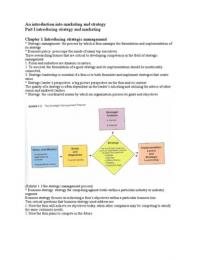
(Exhibit 1.3 the strategic management process)
* Business strategy: strategy for competing against rivals within a particular industry or industry
segment.
Business strategy focuses on achieving a firm’s objectives within a particular business line.
Two critical questions that business strategy must address are
1. How the firm will achieve its objectives today, when other companies may be competing to satisfy
the same costumers needs;
2. How the firm plans to compete in the future.
, * Corporate strategy: strategy for guiding a firm’s entry and exit from different businesses, for
determining how a parent company adds value to and manages its portfolio of businesses, and for
creating value through diversification.
1. In what businesses will we compete?
2. How can we, as a corporate parent, add value to our various lines of business?
3. How will diversifications or our entry into a new industry help us to compete in our other
industries?
* Strategy formulation: process of developing a strategy.
* Strategy implementation: process of executing a strategy.
The goal of implementation:
1. To make sure that strategy formulation is comprehensive and well informed;
2 To translate good ideas into actions that can be executed.
The processes of strategy formulation and strategy implementation are inextricably linked.
Good strategy formulation means refining the elements of the strategy, intended strategyrealized
strategy
(Exhibit 1.4 Intended and Realized Strategies)
Good implementation means that an organization coordinates resources and capabilities and uses
structure, systems, processes, and strategic leadership to translate a deliberate strategy into a realized
strategy and to positive bottom-line results.
To implement strategies, organization leadership numerous levers at their disposal:
1. Organization structure; 2. Systems and processes; 3. People and rewards.
* Organization structure: the manner in which responsibilities, tasks, and people are organized.
Questions that managers must consider when implementing a strategy:
1. Is the current structure appropriate for the intended strategy;
2. Are reporting relationships and the delegation of authority set up to execute the strategic plan;
3. Is the organization too centralized (or decentralized) for the strategy?
* Systems are all the organizational processes and procedures used in daily operations.
* People and rewards: underscores the importance of using all the organization’s members to
implement a strategy.
Strategic leadership is responsible for: 1. Making substantive implementation lever and resource-
allocation decisions; 2. Developing support for the strategy form key stakeholders.
Integrated set of choices; strategy diamond
Part I introducing strategy and marketing
Chapter 1 Introducing strategic management
* Strategic management: the process by which a firm manages the formulation and implementation of
its strategy.
* Business policy: preoccupy the minds of many top executives.
Three overarching themes that are critical to developing competency in the field of strategic
management:
1. Firms and industries are dynamic in nature;
2. To succeed, the formulation of a good strategy and its implementation should be inextricably
connected;
3. Strategic leadership is essential if a firm is to both formulate and implement strategies that create
value.
* Strategic leader’s perspective: a big picture perspective on the firm and its context.
The quality of a strategy is often dependent on the leader’s soliciting and utilizing the advice of other
senior and midlevel leaders.
* Strategy: the coordinated means by which an organization pursues its goals and objectives.
(Exhibit 1.3 the strategic management process)
* Business strategy: strategy for competing against rivals within a particular industry or industry
segment.
Business strategy focuses on achieving a firm’s objectives within a particular business line.
Two critical questions that business strategy must address are
1. How the firm will achieve its objectives today, when other companies may be competing to satisfy
the same costumers needs;
2. How the firm plans to compete in the future.
, * Corporate strategy: strategy for guiding a firm’s entry and exit from different businesses, for
determining how a parent company adds value to and manages its portfolio of businesses, and for
creating value through diversification.
1. In what businesses will we compete?
2. How can we, as a corporate parent, add value to our various lines of business?
3. How will diversifications or our entry into a new industry help us to compete in our other
industries?
* Strategy formulation: process of developing a strategy.
* Strategy implementation: process of executing a strategy.
The goal of implementation:
1. To make sure that strategy formulation is comprehensive and well informed;
2 To translate good ideas into actions that can be executed.
The processes of strategy formulation and strategy implementation are inextricably linked.
Good strategy formulation means refining the elements of the strategy, intended strategyrealized
strategy
(Exhibit 1.4 Intended and Realized Strategies)
Good implementation means that an organization coordinates resources and capabilities and uses
structure, systems, processes, and strategic leadership to translate a deliberate strategy into a realized
strategy and to positive bottom-line results.
To implement strategies, organization leadership numerous levers at their disposal:
1. Organization structure; 2. Systems and processes; 3. People and rewards.
* Organization structure: the manner in which responsibilities, tasks, and people are organized.
Questions that managers must consider when implementing a strategy:
1. Is the current structure appropriate for the intended strategy;
2. Are reporting relationships and the delegation of authority set up to execute the strategic plan;
3. Is the organization too centralized (or decentralized) for the strategy?
* Systems are all the organizational processes and procedures used in daily operations.
* People and rewards: underscores the importance of using all the organization’s members to
implement a strategy.
Strategic leadership is responsible for: 1. Making substantive implementation lever and resource-
allocation decisions; 2. Developing support for the strategy form key stakeholders.
Integrated set of choices; strategy diamond