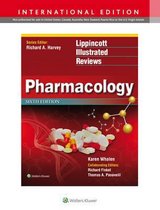
Pharmacology Illustrated Reviews 7th Edition Whalen Test
ku ku ku ku ku ku
Bank TABLE OF CONTENT
ku ku ku ku
Chapter k u 1: k u Pharmacokinetics
Chapter ku2: kuDrug–Receptor kuInteractions kuand
kuPharmacodynamics k u Chapter ku3: k u The k u Autonomic
kuNervous kuSystem
Chapter ku4: kuCholinergic kuAgonists
kuChapter ku5: kuCholinergic
kuAntagonists kuChapter ku6:
kuAdrenergic kuAgonists kuChapter ku7:
kuAdrenergic kuAntagonists
Chapter ku8: kuDrugs kufor kuNeurodegenerative kuDiseases
kuChapter ku9: kuAnxiolytic kuand kuHypnotic kuDrugs
Chapter ku10: kuAntidepressants
kuChapter ku11: kuAntipsychotic
kuDrugs kuChapter ku12: kuDrugs kufor
kuEpilepsy kuChapter ku13:
kuAnesthetics
Chapter k u 14: k u Opioids
Chapter ku15: kuDrugs kuof kuAbuse
kuChapter ku16: kuCNS kuStimulants
kuChapter ku17: kuAntihypertensives
kuChapter ku18: kuDiuretics
Chapter k u 19: k u Heart k u Failure
Chapter ku20: kuAntiarrhythmics
kuChapter ku21: kuAntianginal kuDrugs
Chapter ku22: kuAnticoagulants kuand kuAntiplatelet
kuAgents k u Chapter ku23: kuDrugs kufor kuHyperlipidemia
Chapter ku24: kuPituitary kuand
kuThyroid kuChapter ku25: kuDrugs kufor
kuDiabetes
Chapter ku26: kuEstrogens kuand kuAndrogens
kuChapter ku27: kuAdrenal kuHormones
Chapter k u 28: k u Drugs k u for k u Obesity
Chapter ku29: kuDrugs kufor kuDisorders kuof kuthe kuRespiratory kuSystem
k u Chapter ku30: kuAntihistamines
Chapter ku31: kuGastrointestinal kuand kuAntiemetic kuDrugs
kuChapter ku32: kuDrugs kufor kuUrologic k u Disorders
Chapter k u 33: k u Drugs k u for k u Anemia
Chapter ku34: kuDrugs kufor kuDermatologic kuDisorders
kuChapter ku35: kuDrugs kufor kuBone kuDisorders
Chapter ku36: kuAnti-inflammatory, kuAntipyretic, kuand k u Analgesic kuAgents
k u Chapter ku37: k u Principles kuof k u Antimicrobial k u Therapy
Chapter k u 38: k u Cell ku Wall k u Inhibitors
Chapter k u 39: k u Protein k u Synthesis k u Inhibitors
Chapter ku40: kuQuinolones, kuFolic kuAcid k u Antagonists, k u and k u Urinary k u Tract
kuAntiseptics kuChapter ku41: kuAntimycobacterial kuDrugs
Chapter ku42: kuAntifungal kuDrugs
kuChapter ku43: kuAntiprotozoal kuDrugs
kuChapter ku44: kuAnthelmintic kuDrugs
Chapter 45: Antiviral Drugs
Page k u 2 k u of k u 507
,Page k u 3 k u of k u 507
,3. The nurse is teaching a patient who will be discharged home with a prescription for an enteric-
ku ku ku ku ku ku ku ku ku ku ku ku ku ku ku ku
ku coated tablet. Which statement by the patient indicates understanding of the teaching?
ku ku ku ku ku ku k u ku ku ku ku
a. I may crush the tablet and put it in applesauce to improve absorption.
ku ku ku ku ku ku ku ku ku ku ku ku
b. I should consume acidic foods to enhance absorption of this medication.
ku ku ku ku ku ku ku ku ku ku
c. I should expect a delay in onset of the drugs effects after taking the tablet.
ku ku ku ku ku ku ku ku ku ku ku ku ku ku
d. I should take this medication with high-fat foods to improve its action. ANS:
ku ku ku ku ku ku ku ku ku ku ku ku
ku C
Enteric-coated tablets resist disintegration in the acidic environment of the stomach and disintegrate
ku ku ku ku ku ku ku ku ku ku ku ku
when they reach the small intestine. There is usually some delay in onset of actions after taking
ku ku ku ku ku ku ku ku ku ku ku ku ku ku ku ku ku
ku these medications. Enteric-coated tablets should not be crushed or chewed, which would alter the
ku ku ku ku ku ku ku ku ku ku ku ku ku
time and location of absorption. Acidic foods will not enhance the absorption of the medication. The
ku ku ku ku ku ku ku ku ku ku ku ku ku ku ku ku
ku patient should not to eat high-fat food before ingesting an enteric-coated tablet, because high-fat
ku ku ku ku ku ku ku ku ku ku ku ku ku
ku foods decrease the absorption rate.
ku ku ku ku
DIF: COGNITIVE LEVEL: Applying (Application) REF: dm 3 TOP:
ku ku ku ku ku ku ku ku
ku NURSING PROCESS: Nursing Interventionku ku ku
MSC: NCLEX: Physiological Integrity: Pharmacological and Parenteral Therapies
ku ku ku ku ku ku ku
4. A patient who is newly diagnosed with type 1 diabetes mellitus asks why insulin must be given
ku ku ku ku ku ku ku ku ku ku ku ku ku ku ku ku
by subcutaneous injection instead of by mouth. The nurse will explain that this is because
ku ku ku ku ku ku ku ku ku ku ku ku ku ku ku
Page k u 4 k u of k u 507
, a. absorption is diminished by the first-pass effects in the liver.
ku ku ku ku ku ku ku ku ku
b. absorption is faster when insulin is given subcutaneously.
ku ku ku ku ku ku ku
c. digestive enzymes in the gastrointestinal tract prevent absorption.
ku ku ku ku ku ku ku
d. the oral form is less predictable with more adverse effects.
ku ku ku ku ku ku ku ku ku
ANS: C
ku ku
Insulin, growth hormones, and other protein-based drugs are destroyed in the small intestine by
ku ku ku ku ku ku ku ku ku ku ku ku ku
digestive enzymes and must be given parenterally. Because insulin is destroyed by digestive
ku ku ku ku ku ku ku ku ku ku ku ku ku
enzymes, it would not make it to the liver for metabolism with a first-pass effect. Subcutaneous tissue
ku ku ku ku ku ku ku ku ku ku ku ku ku ku ku ku ku
has fewer blood vessels, so absorption is slower in such tissue. Insulin is given subcutaneously
ku ku ku ku ku ku ku ku ku ku ku ku ku ku ku
because it is desirable to have it absorb slowly.
ku ku ku ku ku ku ku ku ku
DIF: COGNITIVE LEVEL: Understanding (Comprehension) REF: dm 3 TOP:
ku ku ku ku ku ku ku ku
NURSING PROCESS: Nursing Intervention: Patient Teaching
ku ku ku ku ku ku
MSC: NCLEX: Physiological Integrity: Pharmacological and Parenteral Therapies
ku ku ku ku ku ku ku
Page k u 5 k u of k u 507
ku ku ku ku ku ku
Bank TABLE OF CONTENT
ku ku ku ku
Chapter k u 1: k u Pharmacokinetics
Chapter ku2: kuDrug–Receptor kuInteractions kuand
kuPharmacodynamics k u Chapter ku3: k u The k u Autonomic
kuNervous kuSystem
Chapter ku4: kuCholinergic kuAgonists
kuChapter ku5: kuCholinergic
kuAntagonists kuChapter ku6:
kuAdrenergic kuAgonists kuChapter ku7:
kuAdrenergic kuAntagonists
Chapter ku8: kuDrugs kufor kuNeurodegenerative kuDiseases
kuChapter ku9: kuAnxiolytic kuand kuHypnotic kuDrugs
Chapter ku10: kuAntidepressants
kuChapter ku11: kuAntipsychotic
kuDrugs kuChapter ku12: kuDrugs kufor
kuEpilepsy kuChapter ku13:
kuAnesthetics
Chapter k u 14: k u Opioids
Chapter ku15: kuDrugs kuof kuAbuse
kuChapter ku16: kuCNS kuStimulants
kuChapter ku17: kuAntihypertensives
kuChapter ku18: kuDiuretics
Chapter k u 19: k u Heart k u Failure
Chapter ku20: kuAntiarrhythmics
kuChapter ku21: kuAntianginal kuDrugs
Chapter ku22: kuAnticoagulants kuand kuAntiplatelet
kuAgents k u Chapter ku23: kuDrugs kufor kuHyperlipidemia
Chapter ku24: kuPituitary kuand
kuThyroid kuChapter ku25: kuDrugs kufor
kuDiabetes
Chapter ku26: kuEstrogens kuand kuAndrogens
kuChapter ku27: kuAdrenal kuHormones
Chapter k u 28: k u Drugs k u for k u Obesity
Chapter ku29: kuDrugs kufor kuDisorders kuof kuthe kuRespiratory kuSystem
k u Chapter ku30: kuAntihistamines
Chapter ku31: kuGastrointestinal kuand kuAntiemetic kuDrugs
kuChapter ku32: kuDrugs kufor kuUrologic k u Disorders
Chapter k u 33: k u Drugs k u for k u Anemia
Chapter ku34: kuDrugs kufor kuDermatologic kuDisorders
kuChapter ku35: kuDrugs kufor kuBone kuDisorders
Chapter ku36: kuAnti-inflammatory, kuAntipyretic, kuand k u Analgesic kuAgents
k u Chapter ku37: k u Principles kuof k u Antimicrobial k u Therapy
Chapter k u 38: k u Cell ku Wall k u Inhibitors
Chapter k u 39: k u Protein k u Synthesis k u Inhibitors
Chapter ku40: kuQuinolones, kuFolic kuAcid k u Antagonists, k u and k u Urinary k u Tract
kuAntiseptics kuChapter ku41: kuAntimycobacterial kuDrugs
Chapter ku42: kuAntifungal kuDrugs
kuChapter ku43: kuAntiprotozoal kuDrugs
kuChapter ku44: kuAnthelmintic kuDrugs
Chapter 45: Antiviral Drugs
Page k u 2 k u of k u 507
,Page k u 3 k u of k u 507
,3. The nurse is teaching a patient who will be discharged home with a prescription for an enteric-
ku ku ku ku ku ku ku ku ku ku ku ku ku ku ku ku
ku coated tablet. Which statement by the patient indicates understanding of the teaching?
ku ku ku ku ku ku k u ku ku ku ku
a. I may crush the tablet and put it in applesauce to improve absorption.
ku ku ku ku ku ku ku ku ku ku ku ku
b. I should consume acidic foods to enhance absorption of this medication.
ku ku ku ku ku ku ku ku ku ku
c. I should expect a delay in onset of the drugs effects after taking the tablet.
ku ku ku ku ku ku ku ku ku ku ku ku ku ku
d. I should take this medication with high-fat foods to improve its action. ANS:
ku ku ku ku ku ku ku ku ku ku ku ku
ku C
Enteric-coated tablets resist disintegration in the acidic environment of the stomach and disintegrate
ku ku ku ku ku ku ku ku ku ku ku ku
when they reach the small intestine. There is usually some delay in onset of actions after taking
ku ku ku ku ku ku ku ku ku ku ku ku ku ku ku ku ku
ku these medications. Enteric-coated tablets should not be crushed or chewed, which would alter the
ku ku ku ku ku ku ku ku ku ku ku ku ku
time and location of absorption. Acidic foods will not enhance the absorption of the medication. The
ku ku ku ku ku ku ku ku ku ku ku ku ku ku ku ku
ku patient should not to eat high-fat food before ingesting an enteric-coated tablet, because high-fat
ku ku ku ku ku ku ku ku ku ku ku ku ku
ku foods decrease the absorption rate.
ku ku ku ku
DIF: COGNITIVE LEVEL: Applying (Application) REF: dm 3 TOP:
ku ku ku ku ku ku ku ku
ku NURSING PROCESS: Nursing Interventionku ku ku
MSC: NCLEX: Physiological Integrity: Pharmacological and Parenteral Therapies
ku ku ku ku ku ku ku
4. A patient who is newly diagnosed with type 1 diabetes mellitus asks why insulin must be given
ku ku ku ku ku ku ku ku ku ku ku ku ku ku ku ku
by subcutaneous injection instead of by mouth. The nurse will explain that this is because
ku ku ku ku ku ku ku ku ku ku ku ku ku ku ku
Page k u 4 k u of k u 507
, a. absorption is diminished by the first-pass effects in the liver.
ku ku ku ku ku ku ku ku ku
b. absorption is faster when insulin is given subcutaneously.
ku ku ku ku ku ku ku
c. digestive enzymes in the gastrointestinal tract prevent absorption.
ku ku ku ku ku ku ku
d. the oral form is less predictable with more adverse effects.
ku ku ku ku ku ku ku ku ku
ANS: C
ku ku
Insulin, growth hormones, and other protein-based drugs are destroyed in the small intestine by
ku ku ku ku ku ku ku ku ku ku ku ku ku
digestive enzymes and must be given parenterally. Because insulin is destroyed by digestive
ku ku ku ku ku ku ku ku ku ku ku ku ku
enzymes, it would not make it to the liver for metabolism with a first-pass effect. Subcutaneous tissue
ku ku ku ku ku ku ku ku ku ku ku ku ku ku ku ku ku
has fewer blood vessels, so absorption is slower in such tissue. Insulin is given subcutaneously
ku ku ku ku ku ku ku ku ku ku ku ku ku ku ku
because it is desirable to have it absorb slowly.
ku ku ku ku ku ku ku ku ku
DIF: COGNITIVE LEVEL: Understanding (Comprehension) REF: dm 3 TOP:
ku ku ku ku ku ku ku ku
NURSING PROCESS: Nursing Intervention: Patient Teaching
ku ku ku ku ku ku
MSC: NCLEX: Physiological Integrity: Pharmacological and Parenteral Therapies
ku ku ku ku ku ku ku
Page k u 5 k u of k u 507