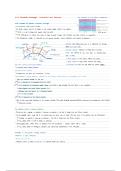
2 2 climate change vulnerability and resilience the structure of the earth's atmosphere
IE EEE
thereis aloss ofenergyfromregionsnearerthepores
i o.sic perkm
the redistribution of energyfromlower to higherlatitudesenoughwindcirculation andoceancurrents to compensate
theatmosphericbudget is influenced by thebalancebetween inputsinsolation andoutputsareradiation
insolationmainenergyinputand it is affected by latitude
seasonandcloudcover
snortwavesinsolationincomingsolarradiation
ultravioletv isibleinfraredradiation
longwavesthermalr adiation
emittedfromtheearthandatmosphere isarms
backradiation thermalr adiation recieved by the earth'ssurfacefromthe atmosphere andclouds
II IE ii i
waterd ropletsandcloudsreflectanother it 1
n ae msn.a.uaes.co.ma ate ua ae
planetaryalbedo
II a Ivan however co trapsoutgoinglongwaveradiationwarmingup theatmosphere inputoutput
greenhouseprinciple
netradiationbalancelongwaveradiation
Duringthe day outgoing in radiation incoming anradiation netloss of energyfrom the earth'ssurface
Duringcloudlessnight largelossof anradiationfromthe earthlackof clouds verylittlereturn of anradiationfromthe atmosphere
outgoing in radiation incoming anradiation netloss ofenergyfrom the earth'ssurface
eg deserta reas lossofenergy is maximized
Duringcloudynight cloudsreturn onradiationfromtheatmosphere reduces overall loss of energy
eg cloudyareas changes in daytimeand nighttime temperatures less noticeable
changes in the global energy balance
variations in solarradiation
Distancefrom the sun
perihelion earth is closestto the sun insolationtravesless distance
, Aphelion Earth is furthestawayfrom the sun insolationtravelsfurtherdistance
Angie of insolation
smanarea concentratedneat
iiiiiiIIIiiiIII
orbitalchanges influenceclimaticpatterns on earth
eqsqngeigit.isorbit elliptical coolere venseasons distancefromthesunwinbemoreequal
themaeansiedthe axis themoreextremeoneseasons are
giggiting
Airpollution has a coolingeffect camaglobaldimming
Globaldimminghasbeenmasking what would be evenfaster globalwarming than is currently occurring
there are a timescales ofglobald imming
shortterm cycles lastlessthan a decadefollowingvolcaniceruptions
longtermscycles changesrelated to humanactivity sources of pollution
Iiii
Feedbackloops
a feebackloopis a cycle within a system that eitherincreaseapositive or decrease negative the effects on that system to achieve
is easaceoops cennances achangedestabilising
other mechanisms ofpositivefeedback
iii
cover in nignattitudes decreasingalbedo
increasedforest
i
e
cosreleasedinto atmosphere increases globaltemperature
II
increasespermafrostthawingincreases
a
the positivefeedbackloop of meltingice reducing the planet's aised
IE EEE
thereis aloss ofenergyfromregionsnearerthepores
i o.sic perkm
the redistribution of energyfromlower to higherlatitudesenoughwindcirculation andoceancurrents to compensate
theatmosphericbudget is influenced by thebalancebetween inputsinsolation andoutputsareradiation
insolationmainenergyinputand it is affected by latitude
seasonandcloudcover
snortwavesinsolationincomingsolarradiation
ultravioletv isibleinfraredradiation
longwavesthermalr adiation
emittedfromtheearthandatmosphere isarms
backradiation thermalr adiation recieved by the earth'ssurfacefromthe atmosphere andclouds
II IE ii i
waterd ropletsandcloudsreflectanother it 1
n ae msn.a.uaes.co.ma ate ua ae
planetaryalbedo
II a Ivan however co trapsoutgoinglongwaveradiationwarmingup theatmosphere inputoutput
greenhouseprinciple
netradiationbalancelongwaveradiation
Duringthe day outgoing in radiation incoming anradiation netloss of energyfrom the earth'ssurface
Duringcloudlessnight largelossof anradiationfromthe earthlackof clouds verylittlereturn of anradiationfromthe atmosphere
outgoing in radiation incoming anradiation netloss ofenergyfrom the earth'ssurface
eg deserta reas lossofenergy is maximized
Duringcloudynight cloudsreturn onradiationfromtheatmosphere reduces overall loss of energy
eg cloudyareas changes in daytimeand nighttime temperatures less noticeable
changes in the global energy balance
variations in solarradiation
Distancefrom the sun
perihelion earth is closestto the sun insolationtravesless distance
, Aphelion Earth is furthestawayfrom the sun insolationtravelsfurtherdistance
Angie of insolation
smanarea concentratedneat
iiiiiiIIIiiiIII
orbitalchanges influenceclimaticpatterns on earth
eqsqngeigit.isorbit elliptical coolere venseasons distancefromthesunwinbemoreequal
themaeansiedthe axis themoreextremeoneseasons are
giggiting
Airpollution has a coolingeffect camaglobaldimming
Globaldimminghasbeenmasking what would be evenfaster globalwarming than is currently occurring
there are a timescales ofglobald imming
shortterm cycles lastlessthan a decadefollowingvolcaniceruptions
longtermscycles changesrelated to humanactivity sources of pollution
Iiii
Feedbackloops
a feebackloopis a cycle within a system that eitherincreaseapositive or decrease negative the effects on that system to achieve
is easaceoops cennances achangedestabilising
other mechanisms ofpositivefeedback
iii
cover in nignattitudes decreasingalbedo
increasedforest
i
e
cosreleasedinto atmosphere increases globaltemperature
II
increasespermafrostthawingincreases
a
the positivefeedbackloop of meltingice reducing the planet's aised