Unit 4 prediction
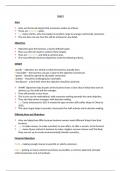
2.1 control theory i.e walter reckless
2.2 .Deterrence, public protection , and reparations
2.3 .discharges i.e how meet deterrence
3.1 pressure groups (know 3)
3.2 token economies , asbos , environment design and state provision
3.3 limitations local and national policies , environment , access to resources
3.4 prisons
Ac 1.1
● Statues or legislations
● Gov has 650 mps i.e house commons and laws come from the gov
● House of lords 800 mps 92 hereditary 26 archbishops role is to double check laws
● Green paper is proposal of laws for public consultation if agreed becomes a white
paper and is set more formally i.e including draft and amendments
● 1st reading announced and voted
● Second debated and voted again
● Committee stage small group analysed
● Report stage back to the whole house which is voted and amended
● Third reading is final vote
● Royal assent is signed by a monarch
● EXAM QUESTION-briefly analyse the process of the government making laws
(3 marks ) use example i,e sarahs law
● Judicial processes make the law fair and persistent i.e applied the same as previous
cases known as a precedent
● Common laws are made in a similar way such as law involving land
● Hierarchy of courts set precedents i.e supreme courts and crown courts and
magistrates
● Exceptions to precedents include…
● Overulling is previous decision is wrong i.r r v r case and marital rape
● Distinguishing difference within facts i.e read v lyons 1947 suing due to harmful
exposure of chemicals although facts were different
● Statutory interpretation is the interpretation of acts and statues done by senior
judges
● Literal rules- i.e take the ruling literal i.e how its written
● Golden rule - i.e modify due to absurdity
● Mischief -do what its imposed to do rather than it says
Ac 1.2 describing the organisations
● Law creation , police , courts , punishment , relationships
● Laws are created , police enforce , cps decides on cases , brought to magistrates ,
may be given bail or remain in custody , if plead guilty are sent to trial , sentenced by
sentencing council , may be sent to prison , when released supervised by probation
, ● Law creation: parliament and judges create laws that deal with crime , parliament
passes acts , judges create laws through precedents and interpretation
,administration by ministry of justice and home office
● Police - enforce laws , investigate , collect , arrest and detain , address penalties and
caution, send cases to cps
● Cps - advise police i.e 24 hour helpline, assess evidence , decode charges , apply
full code test , prepare cases for court
● Hm courts - magistrates deal with 95% cases , issue plea bails and legal aid , crown
court , evidence is heard by jury and magistrates , sentencing
● Probation -supervise in community , those sentenced to 2 years are supervised for a
1 year , supervise those released on a licence
● Prison - supervise in custody , supervise punishment , rehabilitate
Police Cps Hm courts and Hm prisons Probation
tribunals services
Provide Have a 24 hour Police help with Courts put Police liaise
evidence for the helpline for the safe delivery of sentences into with probation if
cps aligning police and give suspects , may practice and conditions are
with the cps advice on be witnesses supervise them breached
instructions charges and if they are
evidence Fund courts refused bail , PSPB supervise
Give evidence and supervise supervise visits those released
as expert Prepare cases the effective from lawyers on liscence
witness , for court , running of court
keeping appeal lenient systems Police conduct Courts prepare
defendants in sentences interviews in pre sentencing
custody and Hm prisons ongoing reports
transporting hold prisoners investigations ,supervise drug
them to jail and in custody i.e testing
court after sentencing Probation liaise treatment
or before trial with prisons
Arrest those and arrange when offenders
who breach videolinks for are about to be
their conditions those giving released
i.e sarahs law evidence from
and sex prison
offenders
Support
organisations
i.e victims
supports and
woman
refugees ,
inquest
● EXAM STYLE QUESTION-describe the relationship between the cps and the police
● Describe the relationships between the courts , cps and police as it proceeds through
the cjs
, Ac 1.3 describe models of criminal justice
Ac 2.1 social control
What?-internal i,e rational ideology , tradition , internalisation . external coercion ,
fear of punishment . control theory
● Sanctions to deviance can be formal or informal
2.1 control theory i.e walter reckless
2.2 .Deterrence, public protection , and reparations
2.3 .discharges i.e how meet deterrence
3.1 pressure groups (know 3)
3.2 token economies , asbos , environment design and state provision
3.3 limitations local and national policies , environment , access to resources
3.4 prisons
Ac 1.1
● Statues or legislations
● Gov has 650 mps i.e house commons and laws come from the gov
● House of lords 800 mps 92 hereditary 26 archbishops role is to double check laws
● Green paper is proposal of laws for public consultation if agreed becomes a white
paper and is set more formally i.e including draft and amendments
● 1st reading announced and voted
● Second debated and voted again
● Committee stage small group analysed
● Report stage back to the whole house which is voted and amended
● Third reading is final vote
● Royal assent is signed by a monarch
● EXAM QUESTION-briefly analyse the process of the government making laws
(3 marks ) use example i,e sarahs law
● Judicial processes make the law fair and persistent i.e applied the same as previous
cases known as a precedent
● Common laws are made in a similar way such as law involving land
● Hierarchy of courts set precedents i.e supreme courts and crown courts and
magistrates
● Exceptions to precedents include…
● Overulling is previous decision is wrong i.r r v r case and marital rape
● Distinguishing difference within facts i.e read v lyons 1947 suing due to harmful
exposure of chemicals although facts were different
● Statutory interpretation is the interpretation of acts and statues done by senior
judges
● Literal rules- i.e take the ruling literal i.e how its written
● Golden rule - i.e modify due to absurdity
● Mischief -do what its imposed to do rather than it says
Ac 1.2 describing the organisations
● Law creation , police , courts , punishment , relationships
● Laws are created , police enforce , cps decides on cases , brought to magistrates ,
may be given bail or remain in custody , if plead guilty are sent to trial , sentenced by
sentencing council , may be sent to prison , when released supervised by probation
, ● Law creation: parliament and judges create laws that deal with crime , parliament
passes acts , judges create laws through precedents and interpretation
,administration by ministry of justice and home office
● Police - enforce laws , investigate , collect , arrest and detain , address penalties and
caution, send cases to cps
● Cps - advise police i.e 24 hour helpline, assess evidence , decode charges , apply
full code test , prepare cases for court
● Hm courts - magistrates deal with 95% cases , issue plea bails and legal aid , crown
court , evidence is heard by jury and magistrates , sentencing
● Probation -supervise in community , those sentenced to 2 years are supervised for a
1 year , supervise those released on a licence
● Prison - supervise in custody , supervise punishment , rehabilitate
Police Cps Hm courts and Hm prisons Probation
tribunals services
Provide Have a 24 hour Police help with Courts put Police liaise
evidence for the helpline for the safe delivery of sentences into with probation if
cps aligning police and give suspects , may practice and conditions are
with the cps advice on be witnesses supervise them breached
instructions charges and if they are
evidence Fund courts refused bail , PSPB supervise
Give evidence and supervise supervise visits those released
as expert Prepare cases the effective from lawyers on liscence
witness , for court , running of court
keeping appeal lenient systems Police conduct Courts prepare
defendants in sentences interviews in pre sentencing
custody and Hm prisons ongoing reports
transporting hold prisoners investigations ,supervise drug
them to jail and in custody i.e testing
court after sentencing Probation liaise treatment
or before trial with prisons
Arrest those and arrange when offenders
who breach videolinks for are about to be
their conditions those giving released
i.e sarahs law evidence from
and sex prison
offenders
Support
organisations
i.e victims
supports and
woman
refugees ,
inquest
● EXAM STYLE QUESTION-describe the relationship between the cps and the police
● Describe the relationships between the courts , cps and police as it proceeds through
the cjs
, Ac 1.3 describe models of criminal justice
Ac 2.1 social control
What?-internal i,e rational ideology , tradition , internalisation . external coercion ,
fear of punishment . control theory
● Sanctions to deviance can be formal or informal