Timeline:
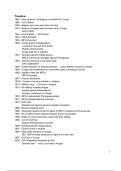
1884 - King Leopold II of Belgium controlled the Congo
1885 - Act of Berlin
1908 - Belgian govt took away from the king
1918 - Belgium changed administration of the Congo
End of WW1
1945 - End of WW2 → UN formed
1954 - FNLA founded
1956 - MPLA founded
1960 - Congo gained independence
Lumumba removed from prison
Mubutu seized power
Congo split into 4 regimes
1961 - Tanzania gained independence
MPLA used armed struggle against Portuguese
1963 - Tanzania became a one-party state
OAU established
1964 - United Republic of Tanzania formed → Julius Nyerere as prime minister
1965 - Congo was established as a one-party state, central govt control
1966 - Agostino Neto led MPLA
UNITA founded
1967 - Arusha declaration
1970s - Congo’s economy started to collapse
1974 - Military coup → Civil war in Angola
1975 - SA military invaded Angola
Angola gained independence
All party conference in Angola
1976 - MPLA nationalised Portuguese assets
1977 - MPLA adopted Marxist-Leninism
1979 - Neto died
Eduardo dos Santos became Angolan president
1985 - Nyerere stepped down
1986 - Tanzanian leaders forced to agree to IMF’s conditions for financial aid
1987 - SA & UNITA forces attacked Angola (Cuito Cuanavale)
1988 - Battle of Cuito Cuanavale ended with SA’s defeat
1989 - end of Cold War
Angola-Namibia peace accords
1990 - Namibia gained independence
1991 - Estoril accord in Angola
1992 - Multi-party elections in Angola
BUT UNITA forces continued to fight & civil war cont
1997 - Civil war in Congo
2002 - OAU disbanded (replaced by AU)
Savimbi died → end of civil war in Angola
1
, Africa under Colonial Rule
Industrial revolution
- Global north needed raw materials
- All infrastructure in Africa built to the needs of colonisers
- Problems with infrastructure after colonisers left
- Took raw materials from Africa
- Transported to Europe → sent back to Africa for high price
- Economics geared towards exporting cheap raw materials & importing expensive
manufactured goods
End of WW2
- Turning point in colonialism
- Largely impacted the world powers
- Colonial powers couldn’t justify rule → formation of the UN
- White power was no longer unbeatable
- Increased cooperation between some African countries
Cold War
- Africa influenced by opposing ideologies
- New political freedom but new challenges
General Context
- African countries were neglected
- Education only for the elite
- No democracy → European powers owned the colonies
- When powers left, didn’t know how to lead
- There was no proper handover of power
- Issue of finding political stability
- After independence different countries had different ways of implementing govts
Independence: Different forms of Government
Challenges
- Search for suitable political systems
- Need to Africanise countries
- Taking control of the military
- Need of aid in almost all levels of development
- Coming to terms with artificial boundaries created by Act of Berlin
Mix of socialism & capitalism in different countries
Some associated capitalism with the colonisers
Socialism: shared ownership & management of production, govt control of economy & attempt
to achieve greater equality through equal access to resources
2
1884 - King Leopold II of Belgium controlled the Congo
1885 - Act of Berlin
1908 - Belgian govt took away from the king
1918 - Belgium changed administration of the Congo
End of WW1
1945 - End of WW2 → UN formed
1954 - FNLA founded
1956 - MPLA founded
1960 - Congo gained independence
Lumumba removed from prison
Mubutu seized power
Congo split into 4 regimes
1961 - Tanzania gained independence
MPLA used armed struggle against Portuguese
1963 - Tanzania became a one-party state
OAU established
1964 - United Republic of Tanzania formed → Julius Nyerere as prime minister
1965 - Congo was established as a one-party state, central govt control
1966 - Agostino Neto led MPLA
UNITA founded
1967 - Arusha declaration
1970s - Congo’s economy started to collapse
1974 - Military coup → Civil war in Angola
1975 - SA military invaded Angola
Angola gained independence
All party conference in Angola
1976 - MPLA nationalised Portuguese assets
1977 - MPLA adopted Marxist-Leninism
1979 - Neto died
Eduardo dos Santos became Angolan president
1985 - Nyerere stepped down
1986 - Tanzanian leaders forced to agree to IMF’s conditions for financial aid
1987 - SA & UNITA forces attacked Angola (Cuito Cuanavale)
1988 - Battle of Cuito Cuanavale ended with SA’s defeat
1989 - end of Cold War
Angola-Namibia peace accords
1990 - Namibia gained independence
1991 - Estoril accord in Angola
1992 - Multi-party elections in Angola
BUT UNITA forces continued to fight & civil war cont
1997 - Civil war in Congo
2002 - OAU disbanded (replaced by AU)
Savimbi died → end of civil war in Angola
1
, Africa under Colonial Rule
Industrial revolution
- Global north needed raw materials
- All infrastructure in Africa built to the needs of colonisers
- Problems with infrastructure after colonisers left
- Took raw materials from Africa
- Transported to Europe → sent back to Africa for high price
- Economics geared towards exporting cheap raw materials & importing expensive
manufactured goods
End of WW2
- Turning point in colonialism
- Largely impacted the world powers
- Colonial powers couldn’t justify rule → formation of the UN
- White power was no longer unbeatable
- Increased cooperation between some African countries
Cold War
- Africa influenced by opposing ideologies
- New political freedom but new challenges
General Context
- African countries were neglected
- Education only for the elite
- No democracy → European powers owned the colonies
- When powers left, didn’t know how to lead
- There was no proper handover of power
- Issue of finding political stability
- After independence different countries had different ways of implementing govts
Independence: Different forms of Government
Challenges
- Search for suitable political systems
- Need to Africanise countries
- Taking control of the military
- Need of aid in almost all levels of development
- Coming to terms with artificial boundaries created by Act of Berlin
Mix of socialism & capitalism in different countries
Some associated capitalism with the colonisers
Socialism: shared ownership & management of production, govt control of economy & attempt
to achieve greater equality through equal access to resources
2