Lecture notes
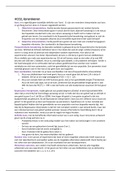
Punishment
• Crimes are wrongs followed by punishment
• A crime must be defined by the legal consequences associated to the act
• A punishment is a sanction designed to express the community’s condemnation of the
defendant’s wrongdoing
o Stigmatic and shameful
• Problems of punishment:
o Can it ever be justified?
o How do you justify punishment?
o What quantum of punishment is justified?
• D. Boonin – how can the fact that a person has broken a just and reasonable law render it
morally permissible for the state to treat him in ways that would otherwise be impermissible?
• Two main theories
o Utilitarianism / Reductionism (Bentham) – to make society a better place by
reducing crime and anti-social behaviour
▪ Hedonic calculus – cost/benefit
o Retribution – just deserts – the only justification for punishment
▪ Punishment offers to reduce crime through its various functions
• Individual deterrence
• General deterrence
• Rehabilitation
• Education
• Incapacitation
▪ Does punishment really work? No
• Yes in some areas – e.g. driving – the less serious crimes
▪ Kant – judicial punishment can never be used merely as a means to promote
some other good for the criminal himself or for civil society, but instead it
must in all cases be imposed on him only on the ground that he has
committed a crime … he must first be found to be deserving of punishment
before any consideration s given to the utility of this punishment for himself
or for his fellow citizens
• Punishment should not be used as a means to an end, but as an end in
itself.
o What makes punishment deserved?
▪ Natural link – good deeds = rewards, bad deeds = punishments
o Deserved insofar that the defendant has chosen to do wrong
o Duff – punishment is a form of communication between society and the wrongdoer
o Punishment expresses society’s moral outrage at the defendant’s actions – we need to
communicate the feeling of dissatisfaction
What is the link between punishment and the content of the criminal law? (Chapter 3)
• For offences involving a repudiation of society’s core values, punishment may be of a
stigmatic character
• To ensure that it is deserved, the elements of the offence should therefore always comprise:
o Wrongdoing as defined by the offence
o A blameworthy state of mind – expressing choice
▪ The defendant knew and could have prevented himself from doing wrong
, o The absence of any excuse or justification
• For offences not involving a repudiation of society’s core values, punishment should not eb of
a stigmatic character – fines / penalties
• Elements of the offence should comprise
o Wrongdoing as defined by the offence
o The absence of any excuse or justification
• A blameworthy state of mind is not needed because the purpose of the offence is not to
express society’s condemnation of A’s behaviour, rather to discourage it in the future
• Defences – excuses and justifications for wrongdoing
o If punishment expresses condemnation for wrongdoing, then it will only be deserved
if A’s choice to do wrong is blameworthy
o Defences also operate to ensure that blameless choices are not punished
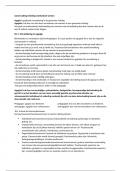
The criminal court system
• Defendant can choose to have their case heard either in the Magistrates Court or the Crown
Court
• Court order
o Most crimes are heard in the Magistrates Court – deal with summary offences –
cannot be arrested for them (e.g. parking on double yellow lines)
o More serious crimes are heard in the Crown Court
o Appeals from the magistrates are heard in the Crown Court
o Appeals from the Crown Court are heard in the Court of Appeal (Criminal Division)
o Appeals from the Court of Appeal are heard by the Supreme Court (Previously House
of Lords)
• Grounds of appeal
o New evidence
o Sentence
o Irregularity at trial
• Leave to appeal must be granted in each case – the Registrar of Criminal Appeals asks one
High Court judge to look at the papers and decide whether you should have leave to appeal
• Defendant cannot appeal the verdict of the jury but only the legal ruling which preceded the
verdict.
Elements in Criminal Liability
• The basic building blocks of criminal liability derive from the principles governing
criminalisation and punishment
• Criminalisation – the state needs the authority to criminalise our behaviour – that authority is
limited
• Criminalisation is a matter of last resort – only to be contemplated if absolutely necessary
Criminal equation
• ACTUS NON FACIT REUM NISI MENS SIT REA
• Criminal liability requires D to have done something criminally wrong (actus reus) with an
accompanying blameworthy state of mind (mens rea)
• Criminal act + mental element + absence of an excuse/justification for the wrongdoing
• You can plan a crime, but if you do not go ahead with it, you are not criminally liable
o Terrorist acts are the only exception to this equation
• Actus reus comprises (one or more of these)
o Conduct (always)
, o Circumstances necessary to render that wrongful
o Consequences
• Mens rea – blameworthy mental states include
o Intention
o Recklessness
o Knowledge
o Belief
o Suspicion
• Firearms Act (1968)
o It is an offence to have in your possession, or to purchase, or to acquire, a firearm
without holding a firearm certificate in force at the time, or otherwise than as
authorised by such a certificate.
▪ Prohibited conduct = to have in your possession, to purchase, or to acquire, a
firearm
▪ Prohibited circumstances = without holding a firearm certificate
▪ Mens rea = there is none – it is a strict liability offence, no need to prove
mental liability
• Theft Act (1968)
o A person is guilty of theft if he dishonestly appropriates property belonging to
another with the intention of permanently depriving the other of it
▪ Prohibited conduct = appropriates property
▪ Prohibited circumstance = belonging to another
▪ Mens rea = dishonestly … with the intention of permanently depriving the
other of it
• Murder = unlawful killing of a human being with the intention to kill or cause serious injury
o Conduct = the act that causes the killing
o Consequence = death
o Mens rea – intention to kill or cause serious injury
• The third element in criminal liability is the absence of any defence
o Self defence
o Duress
o Necessity
o Insanity
o Automatism
The problem of strict liability
• There cannot be a crime without an actus reus
• There can be a crime without mens rea
Proving the elements of the offence
• The prosecution has to prove every element in the case
• Woolmington v DPP (1935)
o The prosecution is to do the proving in all criminal offences
Actus reus – conduct element in crime
• Crimes require some proof of some prohibited voluntary conduct
• Robinson v. California (1962)
o American – illustrative case
o American Supreme Court asked to judicate on the legality of a crime passed in
Pennsylvania
Punishment
• Crimes are wrongs followed by punishment
• A crime must be defined by the legal consequences associated to the act
• A punishment is a sanction designed to express the community’s condemnation of the
defendant’s wrongdoing
o Stigmatic and shameful
• Problems of punishment:
o Can it ever be justified?
o How do you justify punishment?
o What quantum of punishment is justified?
• D. Boonin – how can the fact that a person has broken a just and reasonable law render it
morally permissible for the state to treat him in ways that would otherwise be impermissible?
• Two main theories
o Utilitarianism / Reductionism (Bentham) – to make society a better place by
reducing crime and anti-social behaviour
▪ Hedonic calculus – cost/benefit
o Retribution – just deserts – the only justification for punishment
▪ Punishment offers to reduce crime through its various functions
• Individual deterrence
• General deterrence
• Rehabilitation
• Education
• Incapacitation
▪ Does punishment really work? No
• Yes in some areas – e.g. driving – the less serious crimes
▪ Kant – judicial punishment can never be used merely as a means to promote
some other good for the criminal himself or for civil society, but instead it
must in all cases be imposed on him only on the ground that he has
committed a crime … he must first be found to be deserving of punishment
before any consideration s given to the utility of this punishment for himself
or for his fellow citizens
• Punishment should not be used as a means to an end, but as an end in
itself.
o What makes punishment deserved?
▪ Natural link – good deeds = rewards, bad deeds = punishments
o Deserved insofar that the defendant has chosen to do wrong
o Duff – punishment is a form of communication between society and the wrongdoer
o Punishment expresses society’s moral outrage at the defendant’s actions – we need to
communicate the feeling of dissatisfaction
What is the link between punishment and the content of the criminal law? (Chapter 3)
• For offences involving a repudiation of society’s core values, punishment may be of a
stigmatic character
• To ensure that it is deserved, the elements of the offence should therefore always comprise:
o Wrongdoing as defined by the offence
o A blameworthy state of mind – expressing choice
▪ The defendant knew and could have prevented himself from doing wrong
, o The absence of any excuse or justification
• For offences not involving a repudiation of society’s core values, punishment should not eb of
a stigmatic character – fines / penalties
• Elements of the offence should comprise
o Wrongdoing as defined by the offence
o The absence of any excuse or justification
• A blameworthy state of mind is not needed because the purpose of the offence is not to
express society’s condemnation of A’s behaviour, rather to discourage it in the future
• Defences – excuses and justifications for wrongdoing
o If punishment expresses condemnation for wrongdoing, then it will only be deserved
if A’s choice to do wrong is blameworthy
o Defences also operate to ensure that blameless choices are not punished
The criminal court system
• Defendant can choose to have their case heard either in the Magistrates Court or the Crown
Court
• Court order
o Most crimes are heard in the Magistrates Court – deal with summary offences –
cannot be arrested for them (e.g. parking on double yellow lines)
o More serious crimes are heard in the Crown Court
o Appeals from the magistrates are heard in the Crown Court
o Appeals from the Crown Court are heard in the Court of Appeal (Criminal Division)
o Appeals from the Court of Appeal are heard by the Supreme Court (Previously House
of Lords)
• Grounds of appeal
o New evidence
o Sentence
o Irregularity at trial
• Leave to appeal must be granted in each case – the Registrar of Criminal Appeals asks one
High Court judge to look at the papers and decide whether you should have leave to appeal
• Defendant cannot appeal the verdict of the jury but only the legal ruling which preceded the
verdict.
Elements in Criminal Liability
• The basic building blocks of criminal liability derive from the principles governing
criminalisation and punishment
• Criminalisation – the state needs the authority to criminalise our behaviour – that authority is
limited
• Criminalisation is a matter of last resort – only to be contemplated if absolutely necessary
Criminal equation
• ACTUS NON FACIT REUM NISI MENS SIT REA
• Criminal liability requires D to have done something criminally wrong (actus reus) with an
accompanying blameworthy state of mind (mens rea)
• Criminal act + mental element + absence of an excuse/justification for the wrongdoing
• You can plan a crime, but if you do not go ahead with it, you are not criminally liable
o Terrorist acts are the only exception to this equation
• Actus reus comprises (one or more of these)
o Conduct (always)
, o Circumstances necessary to render that wrongful
o Consequences
• Mens rea – blameworthy mental states include
o Intention
o Recklessness
o Knowledge
o Belief
o Suspicion
• Firearms Act (1968)
o It is an offence to have in your possession, or to purchase, or to acquire, a firearm
without holding a firearm certificate in force at the time, or otherwise than as
authorised by such a certificate.
▪ Prohibited conduct = to have in your possession, to purchase, or to acquire, a
firearm
▪ Prohibited circumstances = without holding a firearm certificate
▪ Mens rea = there is none – it is a strict liability offence, no need to prove
mental liability
• Theft Act (1968)
o A person is guilty of theft if he dishonestly appropriates property belonging to
another with the intention of permanently depriving the other of it
▪ Prohibited conduct = appropriates property
▪ Prohibited circumstance = belonging to another
▪ Mens rea = dishonestly … with the intention of permanently depriving the
other of it
• Murder = unlawful killing of a human being with the intention to kill or cause serious injury
o Conduct = the act that causes the killing
o Consequence = death
o Mens rea – intention to kill or cause serious injury
• The third element in criminal liability is the absence of any defence
o Self defence
o Duress
o Necessity
o Insanity
o Automatism
The problem of strict liability
• There cannot be a crime without an actus reus
• There can be a crime without mens rea
Proving the elements of the offence
• The prosecution has to prove every element in the case
• Woolmington v DPP (1935)
o The prosecution is to do the proving in all criminal offences
Actus reus – conduct element in crime
• Crimes require some proof of some prohibited voluntary conduct
• Robinson v. California (1962)
o American – illustrative case
o American Supreme Court asked to judicate on the legality of a crime passed in
Pennsylvania